Quick Summary
- Most small business marketing problems start with an unclear customer and offer, not with the wrong channel.
- Tracking comes before spending: if you cannot name your cost per lead, you are guessing.
- One channel done well beats five channels done thinly, so add channels only after the first one works.
- Existing customers are your cheapest source of new sales, so build reviews, referrals and email early.
Small business owners rarely fail at marketing because they lack effort. They fail because effort goes into the wrong place: a logo redesign before a clear offer, a social account nobody reads, an ad budget with no tracking. I see the same patterns when I look at accounts through small business marketing consulting.
Below are eleven mistakes in the order I would fix them. Each has an avoid line and a do-this line, so you can scan, spot your own and fix it in an afternoon. The table first shows the cost of each in plain terms.
The 11 Mistakes and What Each One Costs
| Mistake | What it costs you | Time to fix |
|---|---|---|
| 1. No clear customer | Weak message, low response | One afternoon |
| 2. No tracking | Spend you cannot judge | One day |
| 3. Vague offer | Visitors leave without acting | One week |
| 4. Too many channels | Thin results everywhere | One decision |
| 5. Weak website basics | Lost inquiries | One to two weeks |
| 6. Ignoring local search | Missed nearby buyers | Two hours |
| 7. No email list | Rented audience only | One week |
| 8. Slow follow-up | Leads go cold | One day |
| 9. No reviews system | Weaker trust, lower rank | One week |
| 10. Inconsistent effort | No compounding | Ongoing |
| 11. Doing it all alone | Burnout, slow progress | One decision |
1. Marketing to Everyone
Avoid: Writing "we help businesses grow" or "quality service for all." A message for everyone is read by no one, and it makes your ads more expensive.
Do this: Write down your best five customers and what they have in common: what they bought, why they chose you and what they said afterward. Use their words on your homepage. A narrow message feels like a risk, and it is the opposite.
2. Spending Without Tracking
Avoid: Running ads, posts and email with no way to tell which one produced a sale. I have reviewed accounts where a quarter of the budget went to a campaign that had produced nothing, and nobody knew.
Do this: Set up a form or call tracking number for each channel, ask every new customer how they found you and record the answer. Check three numbers monthly: leads, cost per lead and close rate. If you use a free analytics tool, the ones in my small business marketing tools list cover this well.
3. A Vague Offer
Avoid: Asking visitors to "get in touch" with no reason to do it now. People compare options in seconds, and a general invitation loses to a specific one.
Do this: Make one clear first step for new customers, such as a free quote within a day, a fixed-price starter package or a ten-minute assessment. Name the price range where you can, and say what happens after they click.
4. Spreading Across Too Many Channels
Avoid: Opening accounts on six platforms because a competitor did. Each takes weekly attention, and without it they look abandoned.
Do this: Pick the one channel where your buyers already look for you, commit for 90 days and measure. Add the second channel only when the first one produces leads on a steady routine. My small business marketing best practices show what a focused routine looks like.
5. Weak Website Basics
Avoid: A slow site, hidden contact details and a homepage about your history. Visitors want to know what you do, for whom and how to reach you.
Do this: Put your service, location and a phone number or button above the fold. Test the site on your phone, check that forms reach your inbox and add three real customer quotes. One page per main service helps search too.
6. Ignoring Local Search
Avoid: Leaving your Google Business Profile unclaimed or half filled in. Customers searching "near me" see profiles first, and an empty one looks closed.
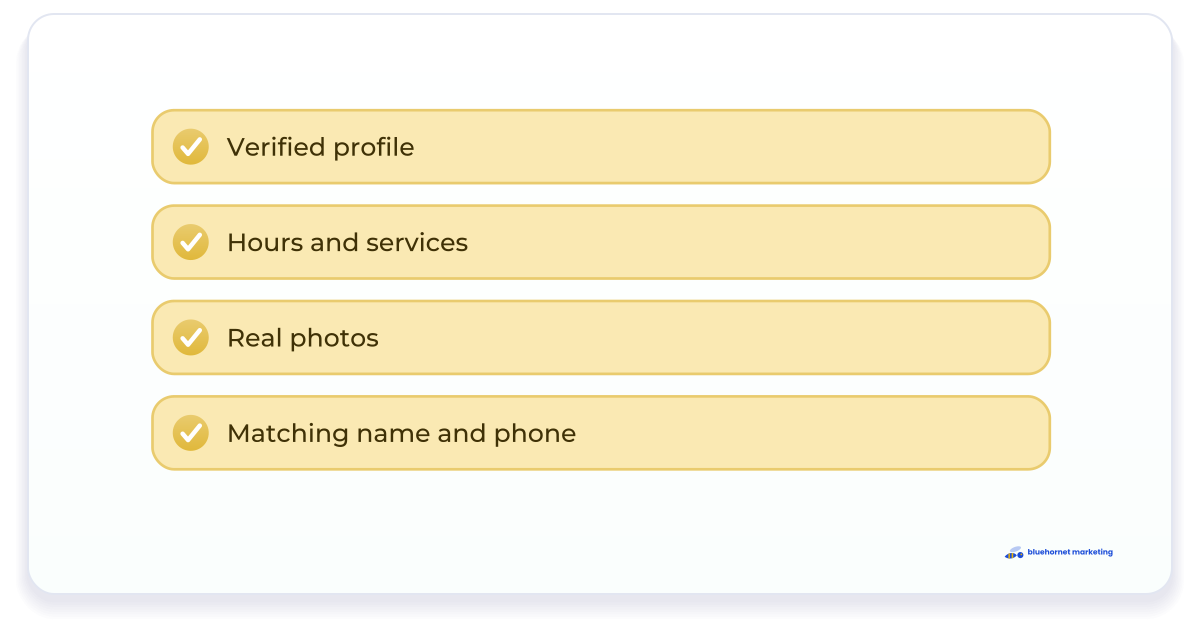
Do this: Claim the profile, which Google lets you do at no charge according to its Business Profile help page. Verify it, add hours, services and photos, and keep the details identical across other listings.
7. Not Building an Email List
Avoid: Relying only on social platforms and ads, where you rent attention and the rules change. If an account is suspended, your audience goes with it.
Do this: Offer something useful in return for an email address, such as a seasonal reminder, a short guide or early access to offers. Send one useful message a month at first. A small, engaged list beats a large cold one.
8. Following Up Too Slowly
Avoid: Letting inquiries sit until the end of the week. The first business to answer often wins, because buyers send several requests at once.
Do this: Reply within an hour during business hours, even if the reply only confirms receipt and gives a time for the full answer. Set up an auto-reply and a simple reminder for open quotes. Most CRMs on the small business tier handle this.
9. No System for Reviews
Avoid: Hoping happy customers will leave reviews unprompted. Unhappy ones do it more often, so your rating drifts down.
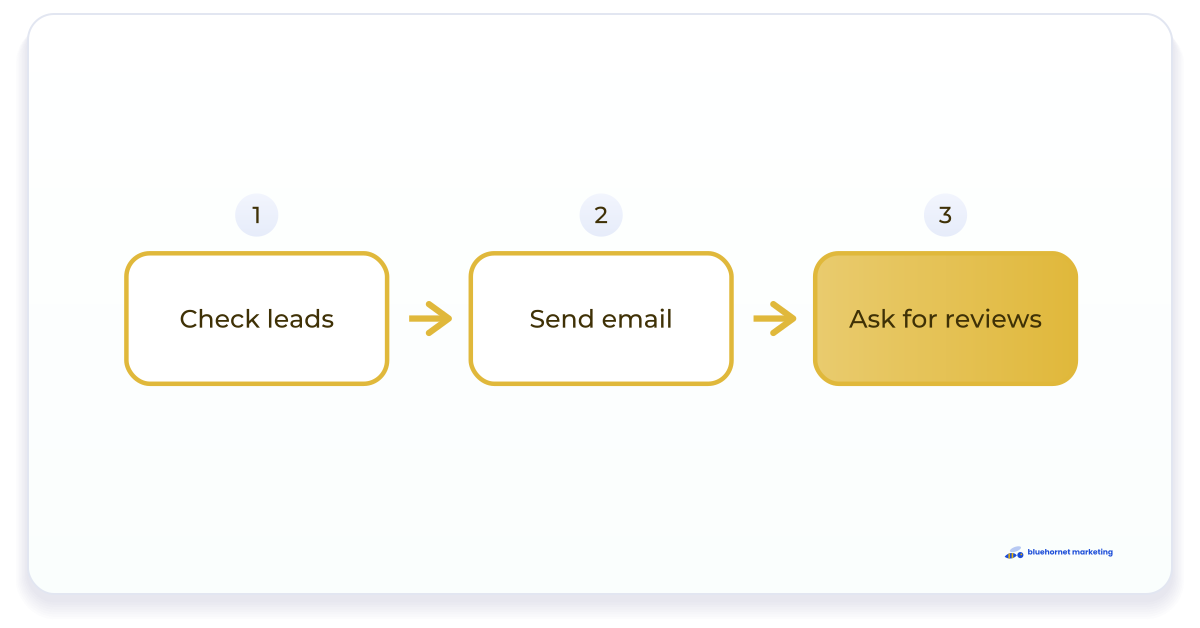
Do this: Ask every satisfied customer within a day of finishing the job, with a direct link. Reply to every review, good or bad, in a calm and specific way. Put your best reviews on your service pages.
10. Stopping and Starting
Avoid: Bursts of activity followed by weeks of silence. Search rankings, email trust and brand recall build slowly and fade without steady input.
Do this: Block two hours a week for marketing and treat it like a customer appointment. A short list of recurring tasks beats a perfect plan you never follow. The small business marketing checklist gives you a ready-made routine.
11. Doing Everything Alone
Avoid: Trying to be your own strategist, designer, writer and ad buyer. The work gets done in the gaps between jobs, and the learning curve costs you money.
Do this: Keep the decisions that need your knowledge, such as offer, customer and tone, and hand off tasks that need a specialist. Look at my small business marketing cost guide to see what outside help typically costs before you decide. Cheap help for the wrong task is still waste.
What Fixing These Looks Like in Practice
A dental practice I advised had no tracking, a half-filled profile and a website with the phone number in the footer. I fixed the three in a week with the owner: tracking numbers, a complete profile, a call button in the header. Calls became countable, and within a quarter the owner could see which source mattered. That is a typical pattern, and for more cases you can read these small business marketing examples.
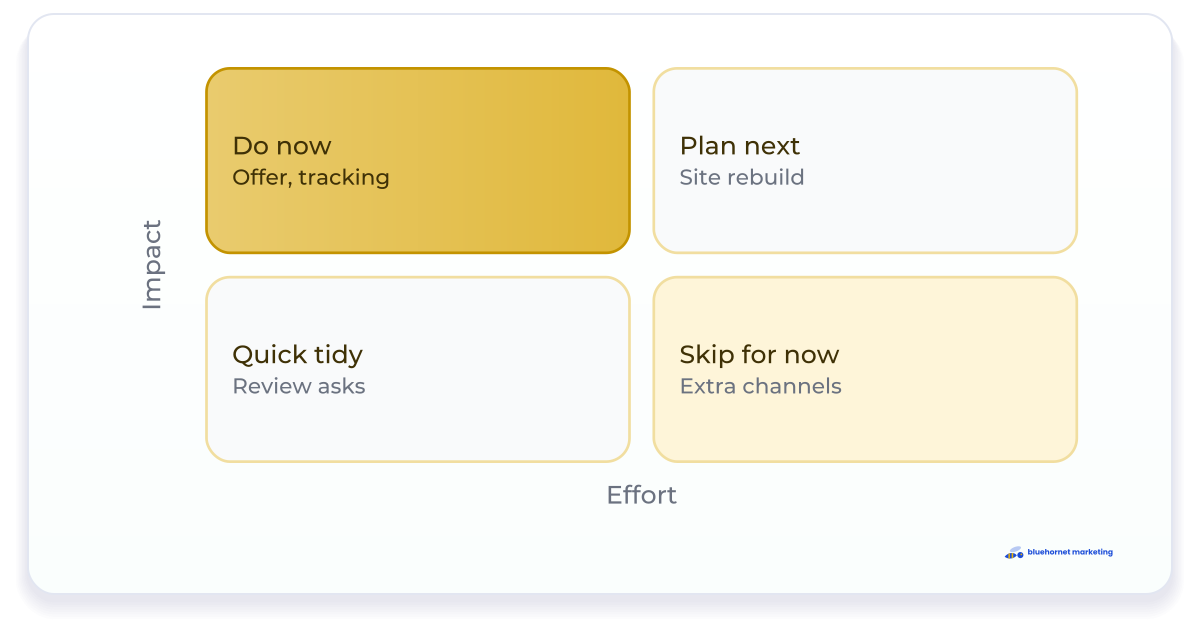
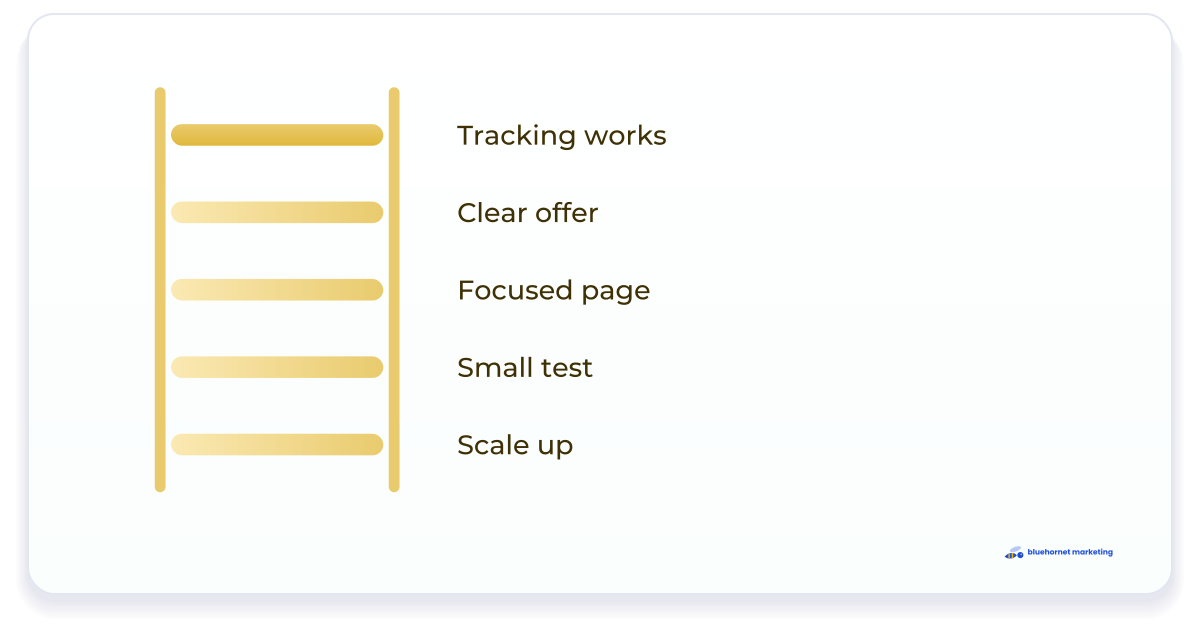
The order matters. Customer and offer first, tracking second, the website third, then channels. Each step makes the next one cheaper.
Where Small Budgets Go Wrong
Money problems are usually a symptom of mistakes 2, 3 and 4. When tracking is missing, you cannot tell a good month from a bad one. When the offer is vague, clicks do not convert, and when channels multiply, each gets too little to work. The result is a budget that feels spent without a return.
A simple rule helps. Spend nothing on paid channels until your tracking, offer and website basics pass a test: a stranger can understand your offer in five seconds and take the first step in under a minute on a phone. Then start small, with a weekly limit you can afford to lose, and raise it only when cost per lead holds steady for a month.
Keep a running list of tools and subscriptions as well. Small monthly fees add up, and a handful of unused plans can cost more than a month of ads. A quarterly cleanup takes thirty minutes and pays for itself.
Habits That Prevent the Next Mistake
Mistakes return when nobody checks. Three habits keep them away. Write your customer and offer on a single page and reread it before every new campaign. Keep a one-sheet scoreboard with leads, cost per lead and close rate, updated on the same day each month. And ask every new customer one question: what made you pick us?
That last question is cheap and powerful. The answers tell you which channel worked, which words matched what buyers care about and which promises they did not believe. After twenty answers you will know more about your marketing than most dashboards can tell you.
Write the answers in a shared sheet, group them by source and look at the list once a quarter. Patterns show up faster than you expect.
How to Choose Which Mistake to Fix First
You do not need to fix all eleven this month. Use these questions to decide:
- Can you describe your best customer in two sentences? If not, start with mistake 1.
- Can you name your cost per lead? If not, start with mistake 2.
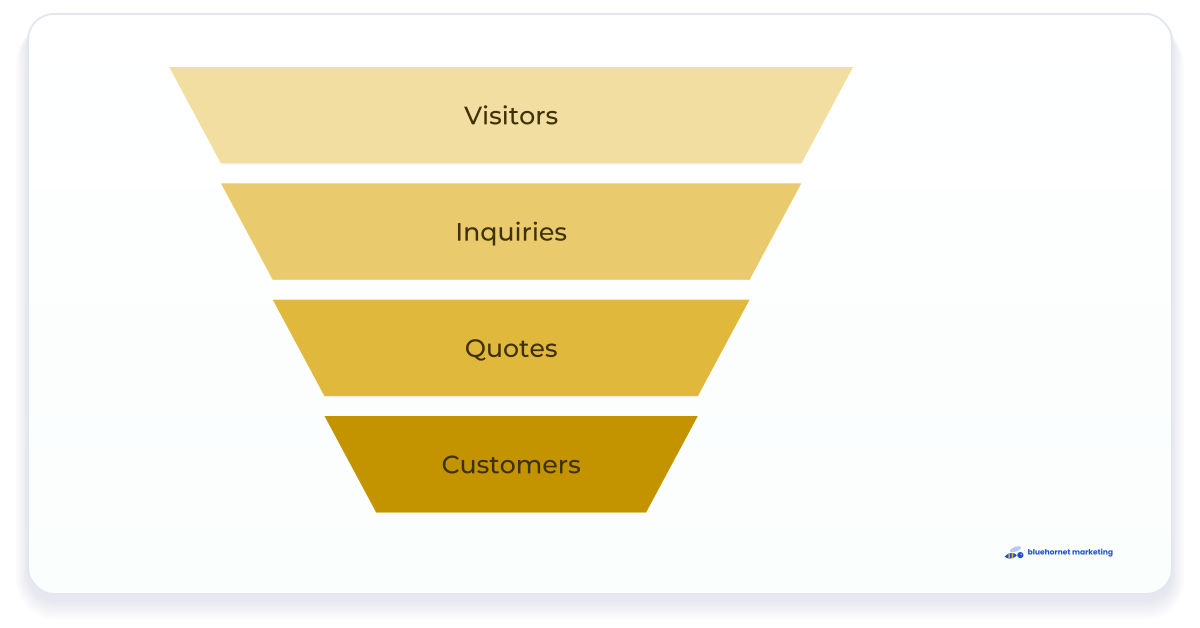
- Do inquiries arrive but few turn into customers? Look at mistakes 3, 5 and 8.
- Are you busy but getting little back? Look at mistakes 4 and 10.
Fix one, measure for a month and move to the next. A short outside review can speed this up when you are stuck.
Questions About Small Business Marketing Mistakes
What Is the Biggest Marketing Mistake Small Businesses Make?
Marketing without a clear customer and a clear offer. When you try to reach everyone, your message fits nobody. I see it in almost every small business audit, and fixing it improves every channel at once, from your website to your ads.
How Much Should a Small Business Spend on Marketing?
It depends on your margins, your growth goal and how much of your sales come from repeat customers. Many owners start with a percentage of revenue and adjust once they see cost per lead. My budget guide on small business marketing cost goes through the ranges and how to pick yours.
Which Marketing Channel Should I Start With?
Start where buyers already look for you. For a local service business that is often your Google Business Profile and a simple website. For online sales it may be email and search. Pick one channel, run it for 90 days and measure before you add another.
Is It a Mistake to Do Marketing Myself?
No. Doing it yourself works well for the first stage, especially for customer conversations and email. The mistake is doing everything yourself without tracking, so you never learn what works. Hire help for the tasks you dislike or do slowly, and keep the strategy.
How Do I Know If My Marketing Is Working?
Track three numbers every month: new leads or inquiries, cost per lead and the share that become customers. If you cannot get these from your tools, fixing your tracking comes before spending more.
Should I Post on Every Social Platform?
No. Choose one or two where your customers actually spend time, and post consistently. Ten thin profiles bring less than one active one, and each takes time to maintain.
How Long Does Marketing Take to Show Results?
Paid ads can bring leads within days. Search, content and email take three to six months to build momentum. Plan your cash flow around that gap, and do not judge an organic channel after four weeks.
Sources
Disclaimer: This article is for general information only and isn’t legal, financial or tax advice. Treat figures as estimates from typical work and confirm details with your providers before you act.
Was this guide helpful?
Thanks for your feedback.
Warren Albright
Warren leads the Blue Hornet editorial team and works with the consultants to turn real client projects into practical guides on content, paid media, marketing automation, CRM and analytics. He comes from content and demand generation work, edits every article before a working marketing consultant reviews it, and draws on strategies, channel plans and audits from client projects to keep the advice grounded in real numbers.