Quick Summary
- Nine checks cover the foundations: customer, offer, tracking, website, local profile, one channel, email, follow-up and review.
- Work in order, because each point makes the next one cheaper and more measurable.
- Most points take hours, not weeks, and only the channel and email routines need steady effort.
- Review the checklist quarterly, since profiles, forms and tracking quietly break over time.
A small business does not need a 40-page marketing plan. It needs the basics working together: a clear customer, a clear offer, a way to count results, a site that converts and a routine that gets repeated. I use this checklist as the starting point when I work through small business marketing consulting, and most owners can finish it in three to four weeks of part-time effort.
Each point below has a done-when line, so you know when to stop and move on. Tick them off in order.
The Nine Points at a Glance
| Point | Done when | Time needed |
|---|---|---|
| 1. Customer | You can describe your best customer in two sentences | 1 to 2 hours |
| 2. Offer | One clear first step with a price range or promise | 2 to 3 hours |
| 3. Tracking | You know where each lead came from | Half a day |
| 4. Website | A visitor can act within ten seconds on a phone | 1 to 2 weeks |
| 5. Local profile | Verified, complete and consistent listings | 2 hours |
| 6. One channel | A weekly routine runs for 90 days | 2 to 4 hours weekly |
| 7. Email | A sign-up form and one monthly send | 1 week to set up |
| 8. Follow-up and reviews | Replies within an hour and a review request after each job | 1 day |
| 9. Monthly review | Three numbers recorded every month | 1 hour monthly |
1. Define Your Best Customer
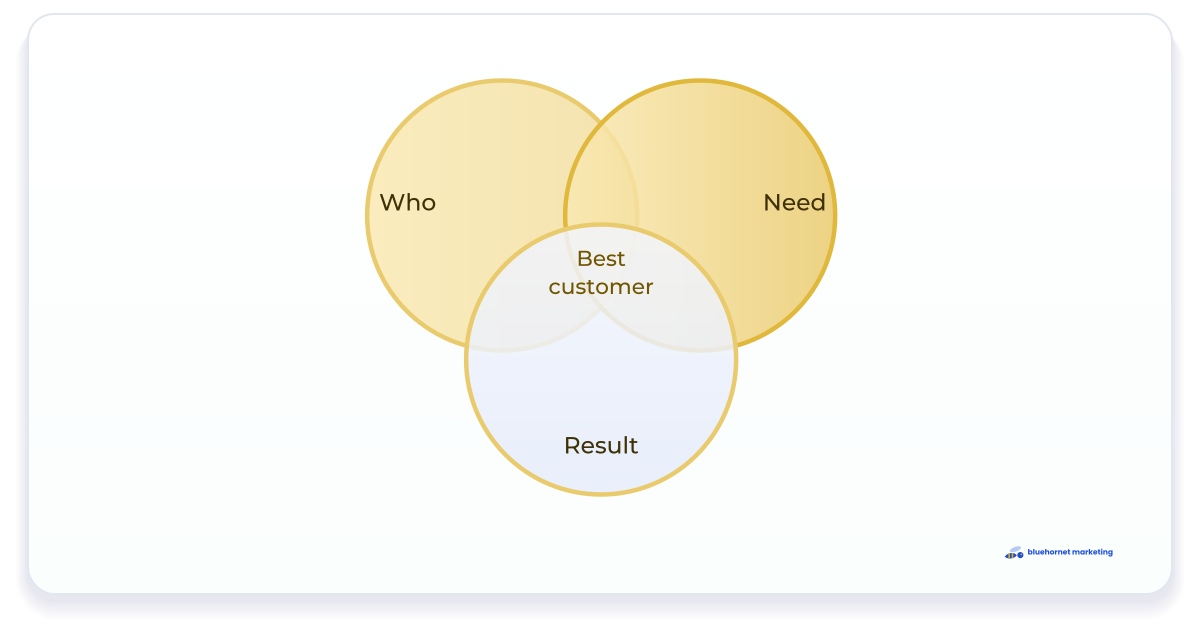
Write down your five best customers and what they share: what they bought, how they found you and why they chose you over others. You are looking for a pattern, such as homeowners with older heating systems or clinics with two to five staff. That pattern becomes the audience for every message you write.
Done when you can fill in this sentence: "I help [who] with [problem] so they get [result]." If you want to see where owners go wrong at this step, the first item in my guide to small business marketing mistakes covers it.
2. Sharpen One Clear Offer
Give new customers an easy first step with a defined result: a free site visit, a fixed-price starter project or a 15-minute assessment. Name what they get, what it costs or how long it takes, and what happens next. Vague invitations such as "contact us today" lose to specific ones.
3. Set Up Tracking Before You Spend
Create a way to count results from each channel. Use a separate form for each source, a call tracking number for ads or a required "How did you hear about us?" field. Add a free analytics tool to your website and connect it to your goals, such as a form submission or a phone tap. Google Analytics is free, according to Google's own product page, and it is enough for most small sites.
Record the baseline now: leads per month and, if you know it, close rate. You will compare against it in point 9. My ranking of small business marketing tools has free options for tracking, email and design.
4. Fix the Website Basics
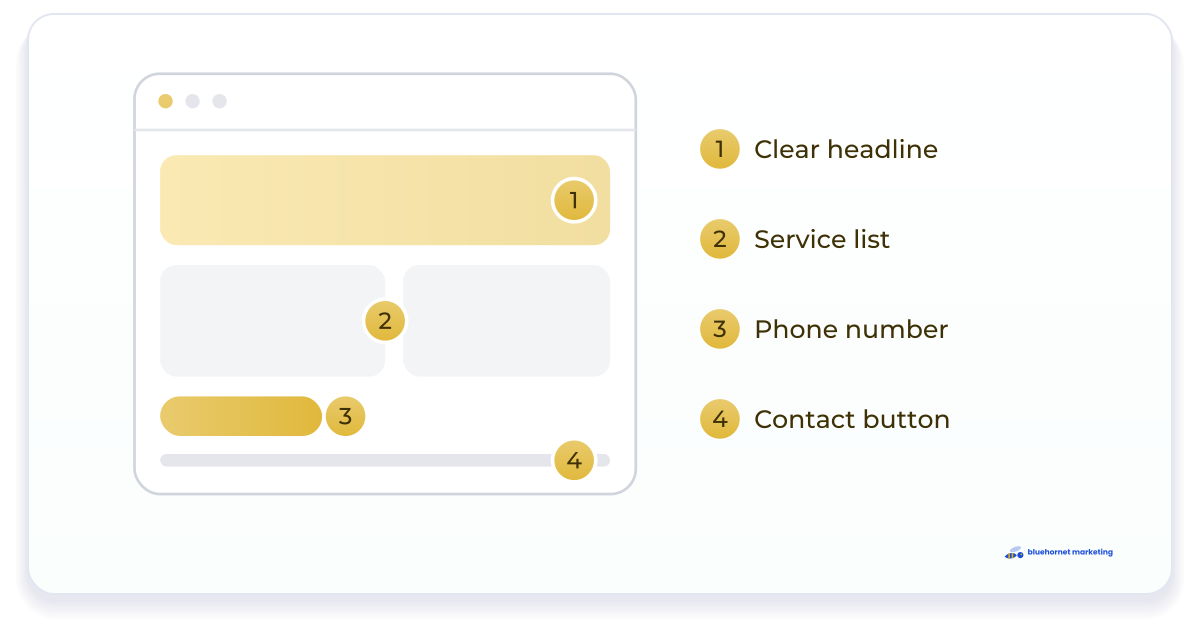
Open your site on your phone and ask a friend to find your phone number, your main service and your area. Time them. Then fix what slowed them: a clear headline, a visible call button, a short form and three customer quotes near the top. Make sure forms reach your inbox by submitting one yourself.
Give each main service its own page, with the town or region you serve written plainly in the text. A page that answers one question clearly ranks and converts better than a page that tries to cover everything.
5. Claim and Complete Your Local Profile
Claim your Google Business Profile, which is offered at no charge according to Google's Business Profile help, and complete it: categories, hours, services, photos and a short description. Check that your name, address and phone number match across your website and other listings, down to the abbreviations.
Done when the profile is verified, has at least ten real photos and shows accurate hours. Reviews come in point 8.
6. Commit to One Channel for 90 Days
Choose the channel where your buyers already look. It might be local search for a service business, email for repeat customers or paid search for urgent needs. Write a weekly routine of two to four hours, for example one new service page per month, two helpful posts and a monthly email, and keep it for 90 days.
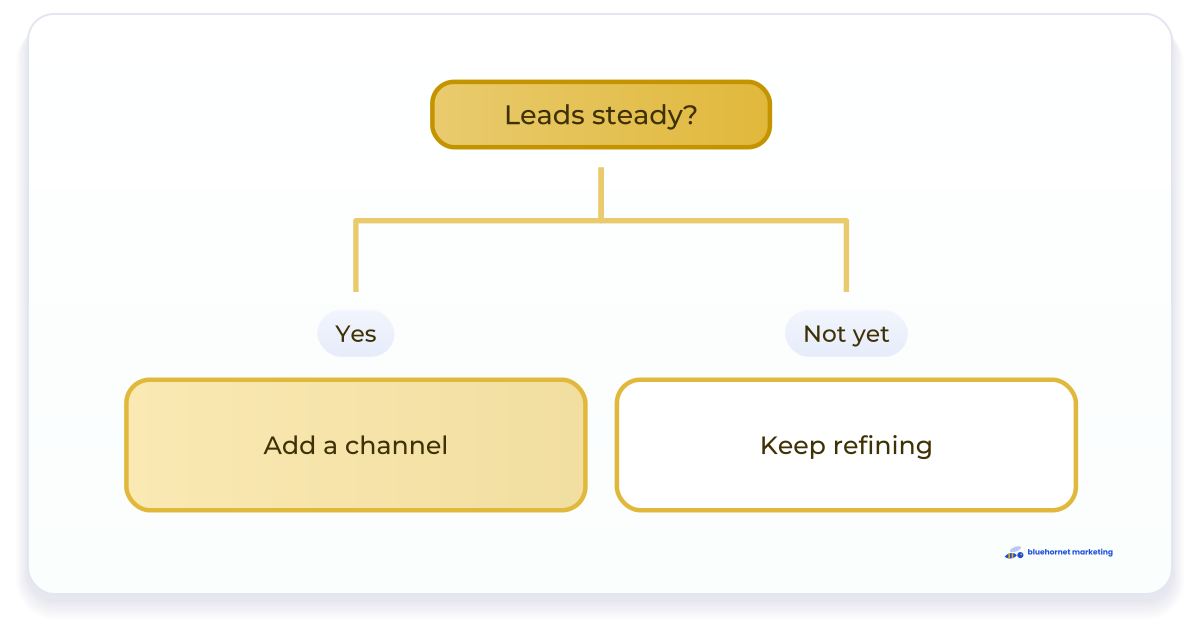
Add a second channel only when the first brings leads on a steady basis. For the habits that separate steady performers from the rest, read my small business marketing best practices.
7. Start an Email List
Add a sign-up form to your site and your checkout or contact page, with a reason to join, such as seasonal reminders, a short guide or early access. Send one useful email a month. Keep it plain: one idea, one link and one clear next step.
A list is an audience you own. Social reach changes, and email stays yours as long as people want to hear from you. Include an unsubscribe link and honor requests quickly.
8. Follow Up Fast and Ask for Reviews
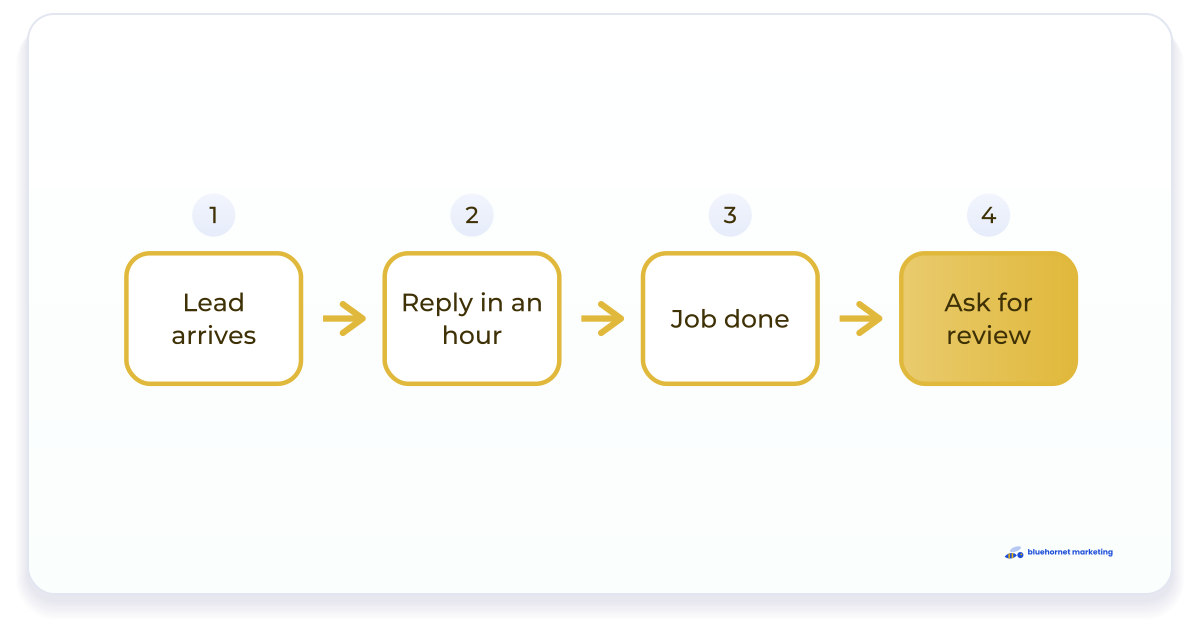
Reply to every inquiry within an hour during business hours, even if it only confirms receipt and gives a time for the full answer. Set an auto-reply and a reminder for open quotes. After each finished job, send a short message with a direct link to your review page.
Answer every review in a calm, specific way, and share the best ones on your service pages. A steady flow of recent reviews builds trust before a buyer ever calls.
9. Review Three Numbers Every Month
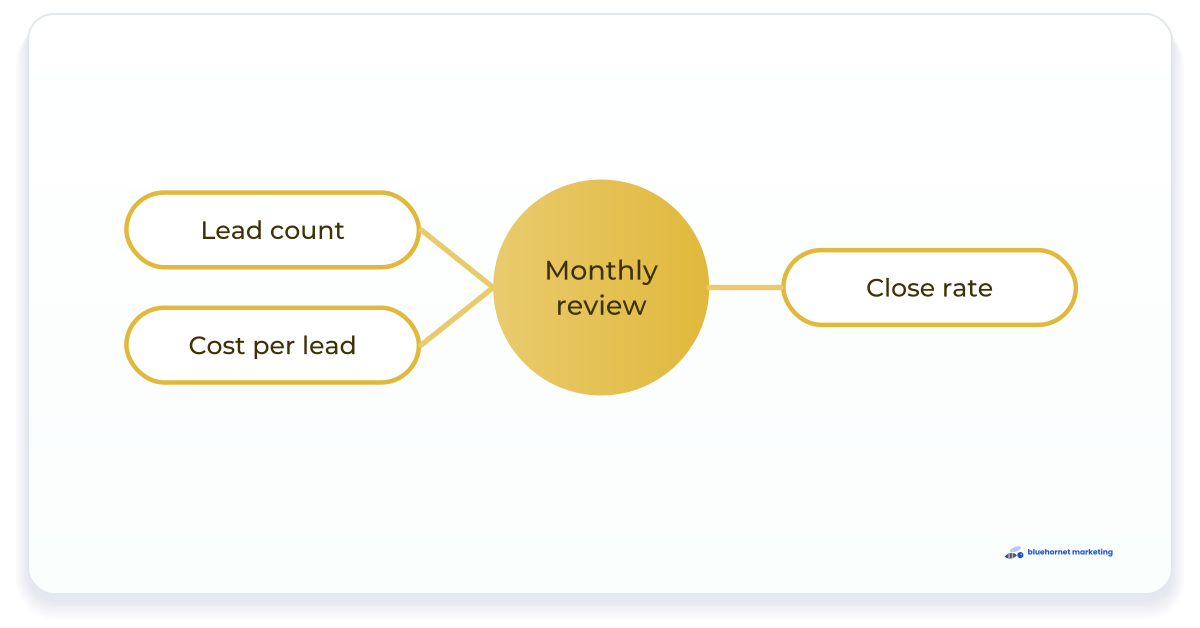
Block one hour at the end of each month. Record leads, cost per lead and close rate, and compare them with your baseline from point 3. Note what you did that month and what changed. After three months you can see which action moved a number.
If marketing spend is part of the review, my small business marketing cost guide helps you check whether your budget is in a sensible range. Pick one change for next month, and write it down.
What Finishing the Checklist Looks Like
Owners who finish the checklist usually notice two changes first. Inquiries become countable, so decisions rely on data and not on a feeling. And the week gets calmer, because the routine in points 6 to 9 replaces scattered effort. Real examples help here, and these small business marketing examples show what the same steps produced for other businesses.
Results still take time. Paid ads can respond within days, while search and email build over three to six months. Plan your cash flow for that gap.
A Four-Week Plan for Working Through the Checklist
If you work on this a few hours a week, spread the nine points over a month. In week one, do points 1 to 3: customer, offer and tracking. They are mostly thinking and setup, and they cost little. In week two, handle points 4 and 5, the website basics and your local profile, which are the places buyers meet you first.
In week three, start your one channel and your email list, points 6 and 7, and write the weekly routine into your calendar. In week four, set up follow-up and the review request in point 8, then hold your first monthly review for point 9 and record the baseline you will compare against.
Slippage is normal. A page redesign may take longer, and a verification postcard may take a week to arrive. Keep going in order and do not start the channel before tracking works, since early results you cannot measure teach you nothing.
| Week | Points | Focus |
|---|---|---|
| Week 1 | 1, 2, 3 | Customer, offer, tracking |
| Week 2 | 4, 5 | Website and local profile |
| Week 3 | 6, 7 | Channel routine and email list |
| Week 4 | 8, 9 | Follow-up, reviews, first monthly review |
Keeping the Checklist Working After Month One
The checklist is a foundation, and it needs care. Profiles go stale, forms break after a website update and tracking tags disappear when a plugin changes. Put a recurring reminder in your calendar for the first week of each quarter and run through all nine points in thirty minutes: submit a test form, check that your profile hours are right, send yourself a test email and look at the last three months of numbers.
Add one improvement per quarter instead of ten. Maybe it is a second service page, a better review request or a new email in your welcome series. Small, steady changes compound, and you can see which one moved the numbers because you changed only one thing.
How to Choose Where to Start If Time Is Short
If you cannot do all nine at once, pick your starting point by your biggest problem:
- Few inquiries: start with points 4 and 5.
- Inquiries but few sales: start with points 2 and 8.
- No idea what works: start with point 3.
- Busy but scattered: start with points 6 and 9.
Whatever you choose, finish points 1 to 3 within the first week, since they cost almost nothing.
Questions About the Small Business Marketing Checklist
How Often Should I Go Through This Checklist?
Work through it fully once, then review it every quarter. The first pass takes a few weeks because you are setting things up. After that, a quarterly review takes about an hour and catches drift, such as an outdated profile or a form that stopped working.
Do I Need to Complete Every Point Before I Run Ads?
Points 1 to 5 should be in place before you spend on ads: customer, offer, tracking, website and local profile. Ads send paying traffic to those foundations, so weak foundations waste money quickly.
What If I Only Have a Few Hours a Week?
Use the order. Do points 1 to 3 first, they cost almost nothing but time. Then spend your weekly hours on one channel and the follow-up routine in points 6 and 8. Skip anything that needs a daily commitment.
Which Tools Do I Need?
A spreadsheet, a free analytics tool, an email platform and a simple CRM or contact list are enough to start. I rank the best low-cost options in my list of small business marketing tools. Buy paid tools only when a free one limits a result you can measure.
How Do I Measure Progress?
Track leads, cost per lead and close rate monthly, plus reviews gained and email subscribers added. Write the numbers in one sheet so you can see the trend, not just the last month.
Is a Checklist Enough, or Do I Need a Strategy?
The checklist gives you a working foundation. A strategy comes from what the numbers show over the next two to three quarters, such as which channel earns the next hour or dollar. Use the checklist first and decide on strategy with data.
Can I Hand This Checklist to a Freelancer?
Yes. Give them the checklist, your goals and access to your tools, and ask them to report on each point. It makes handover simple and keeps you in charge of the decisions.
Sources
- Google Marketing Platform: Google Analytics
- Google Business Profile Help: Add or claim your business
Disclaimer: This article is for general information only and isn’t legal, financial or tax advice. Treat figures as estimates from typical work and confirm details with your providers before you act.
Was this guide helpful?
Thanks for your feedback.
Warren Albright
Warren leads the Blue Hornet editorial team and works with the consultants to turn real client projects into practical guides on content, paid media, marketing automation, CRM and analytics. He comes from content and demand generation work, edits every article before a working marketing consultant reviews it, and draws on strategies, channel plans and audits from client projects to keep the advice grounded in real numbers.