Quick Summary
- Small businesses win with narrow, repeatable tactics, not big campaigns.
- Reviews, referrals and a clear email offer cost little and compound over time.
- Each example works because it uses something you already have, such as customers or local knowledge.
- Track one number close to revenue and review it on a schedule.
Most lists of small business marketing examples feature famous brands with budgets you will never have. The ones below are small, repeatable and I have watched them work for businesses with a handful of employees. If you want help picking the right ones for your market, a small business marketing consulting conversation starts with the same question.
I describe what the business did, what changed and how you can do the same. Treat the results as realistic signals from my client work, not promises, because every market and starting point is different.
Seven Tactics at a Glance
Each example fits a different type of business. Use the table to find your match, then read the details that matter to you.
| Example | Best for | Typical effort | What you track |
|---|---|---|---|
| 1. Local Search Reviews Engine | Local service businesses | 2 to 3 hours to set up | Review count, map-pack position |
| 2. Email List From a Useful Checklist | Seasonal or repeat-purchase businesses | 1 to 2 days to build | Signups, replies, quote requests |
| 3. Founder Content on LinkedIn | B2B companies with a visible founder | 1 hour per week | Messages, demo requests |
| 4. Small Paid Search Test | Businesses with a clear service offer | Ongoing, weekly checks | Cost per lead, profitable jobs |
| 5. Referral Program With a Clear Offer | Relationship-driven firms | 1 day to set up | Referrals and their conversion |
| 6. Case Study Page for One Service | Higher-priced services | 1 day per story | Close rate, proposal feedback |
| 7. Quarterly Marketing Review | Any business using several channels | 2 hours per quarter | Cost per customer by channel |
Seven Small Business Marketing Examples That Delivered
Each example below shows what the business did and how you can adapt it. Several of them avoid the common small business marketing mistakes I see most often, such as spreading effort across too many channels.
Local Search Reviews Engine
A dental practice I worked with had 40 reviews and a rating of 4.1, while the two practices ranking above it had over 200. Nothing was wrong with the care. Nobody ever asked patients to leave a review. We added one text message, sent two hours after each visit, with a direct link to the Google review form, and the front desk stopped doing anything else.
Within five months the practice passed 150 reviews and moved into the local map pack for its main treatment terms. Reviews were not the only factor, but they were the one lever the owner fully controlled, and it cost almost nothing. If you run a service business with a local customer base, this is the example I would copy first.
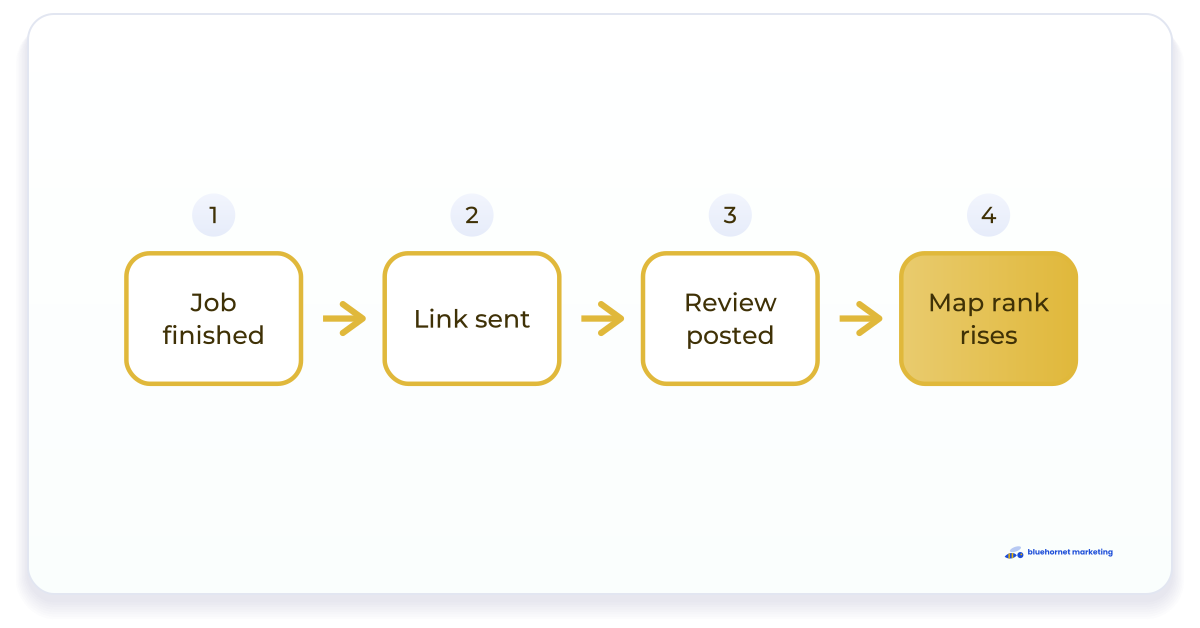
How the review engine runs
- Claim and complete your Google Business Profile, with correct categories, hours and services.
- Pick the moment of peak satisfaction, such as the end of an appointment or job.
- Send a short text or email with a direct review link within hours.
- Reply to every review in your own voice within two working days.
- Flag unhappy customers privately before they post, and fix the issue.
- Track review count and map-pack position monthly.
Tools that make it easy
A Google Business Profile is free and does most of the work. A simple text-message tool or your booking software can send the request automatically, so nobody has to remember.
Email List From a Useful Checklist
A small landscaping company built its email list with one page on its website: a seasonal lawn checklist for its region, free in exchange for an email address. It was not clever. It was specific to local soil, local frost dates and the plants people there actually grow, so homeowners found it useful enough to hand over an address.
Over a year the list grew past 1,800 subscribers, and a monthly email with one tip and one offer produced a steady stream of quote requests. The lesson for you is that a narrow, local promise converts better than a general newsletter signup. The list also belongs to you, unlike a social following.
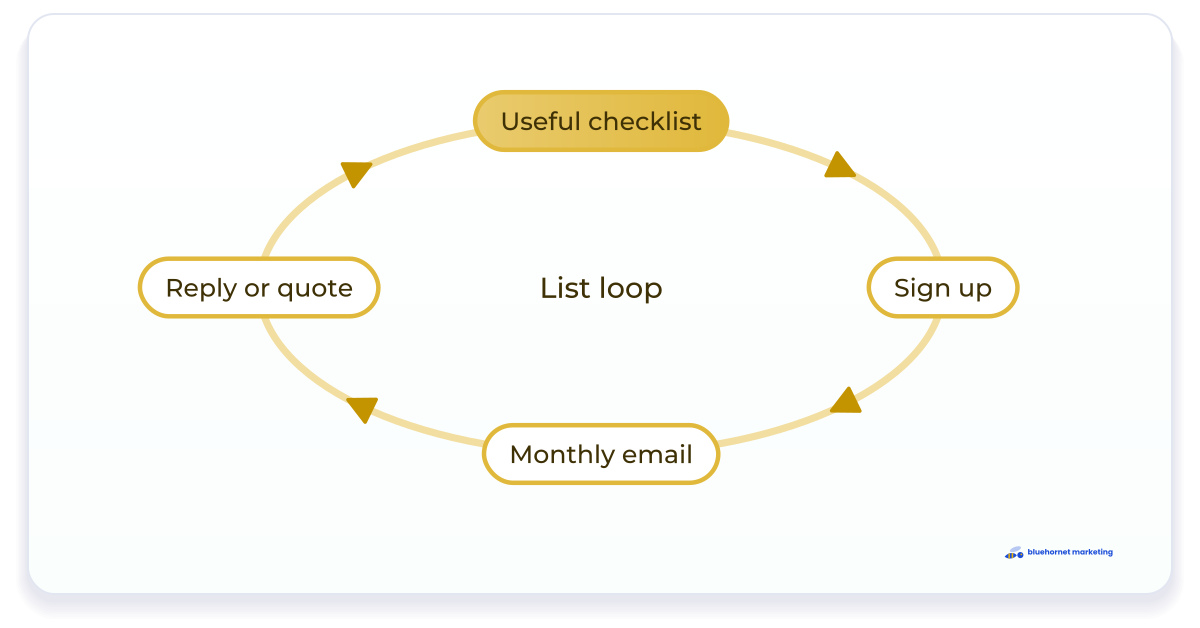
How to build a list like this
- List the three questions customers ask you every spring and fall.
- Turn the answers into a one-page checklist with plain language and real local detail.
- Put the signup form on one dedicated page and on your top three service pages.
- Send a welcome email within minutes that delivers the checklist and sets expectations.
- Mail once a month with one tip and one clear offer.
- Remove people who never open after six months, so your numbers stay honest.
Tools you need
A basic email platform with a free or low-cost tier is enough at this size. Pick one that supports forms, a welcome email and simple segments, and ignore advanced automation until your list passes a few thousand.
Founder Content on LinkedIn
A three-person B2B software company had no marketing budget and no content team. The founder spent 30 minutes twice a week writing short LinkedIn posts about mistakes customers made during onboarding. The posts were plain and slightly opinionated, and they were the first thing prospects mentioned on sales calls.
After about six months, roughly one in four new demo requests came from people who said they had followed the posts. I would not promise that ratio to you, because it depends on how narrow your audience is. What transfers is the mechanism: specific experience from someone people can talk to beats polished brand content for small companies.
How the routine works
- Keep a running note of customer questions, objections and mistakes you hear each week.
- Turn two of them into short posts, each with one clear point.
- Post at the same times so you build a rhythm.
- Reply to every comment in the first hour.
- Link to a relevant page on your site only occasionally.
- Review which posts led to messages or demo requests, then write more of those.
What you need
A personal LinkedIn profile that clearly states who you help, and a notes app. Scheduling tools are optional, and writing the posts yourself matters more than any software.
Small Paid Search Test
A home-services company was spending on broad ads that sent clicks to its homepage. We cut the campaign down to five high-intent searches, such as the service plus an urgent word, and built one landing page for each. Each page had a phone number, three proof points and one short form.
Cost per lead fell by roughly a third within two months, and the bigger win was learning which two services produced profitable jobs. They got more budget, and the other three were paused. If you are new to paid search, start with a small test like this, with a budget you can afford to lose, instead of a broad campaign.
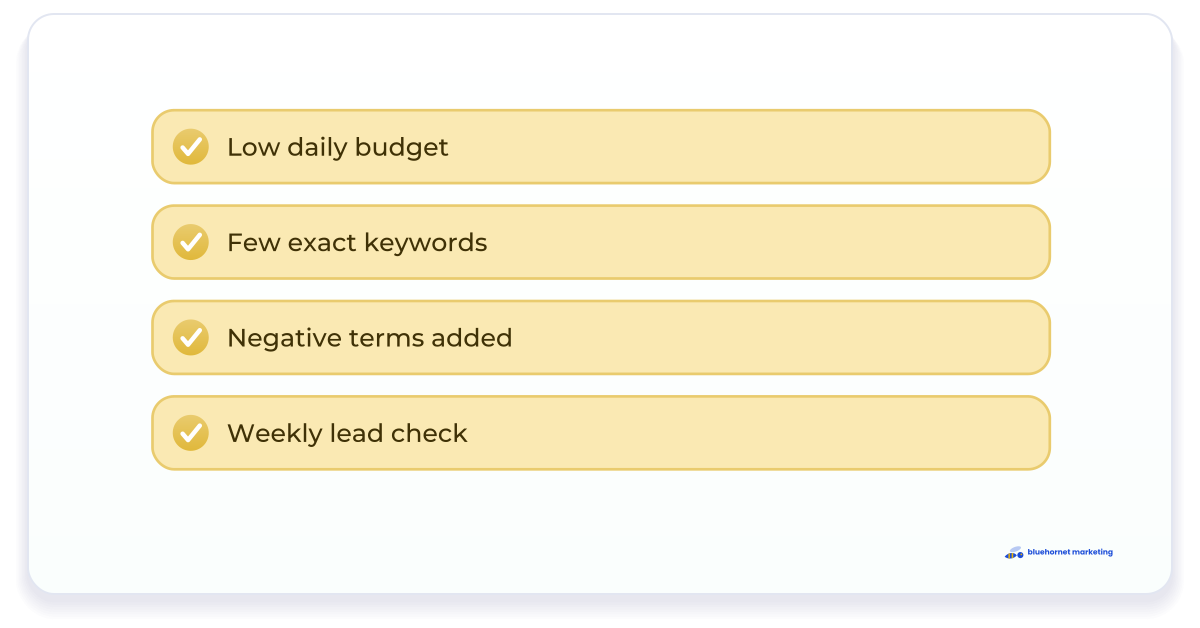
How to run a small test
- Choose five search terms that show buying intent, not curiosity.
- Create one landing page per service with a single call to action.
- Set a daily budget you are comfortable spending for 60 days.
- Track calls and form fills as conversions from day one.
- Review search terms weekly and add negative keywords for irrelevant clicks.
- Shift budget toward the services that produce profitable jobs.
Tools for the test
Google Ads and a call-tracking number are enough to start. A simple landing page builder helps if your website platform makes quick pages hard.
Referral Program With a Clear Offer
A bookkeeping firm asked its best clients for introductions in a vague way for years and got almost none. Then it offered a defined thank-you: a free month for the client and a free setup review for the person they referred. It also made it easy, with a one-page referral form and a short email clients could forward.
Referrals became its largest source of new clients within a year. People rarely refuse to help you. They refuse to work out how, so make the ask specific and make the reward something they would actually want.
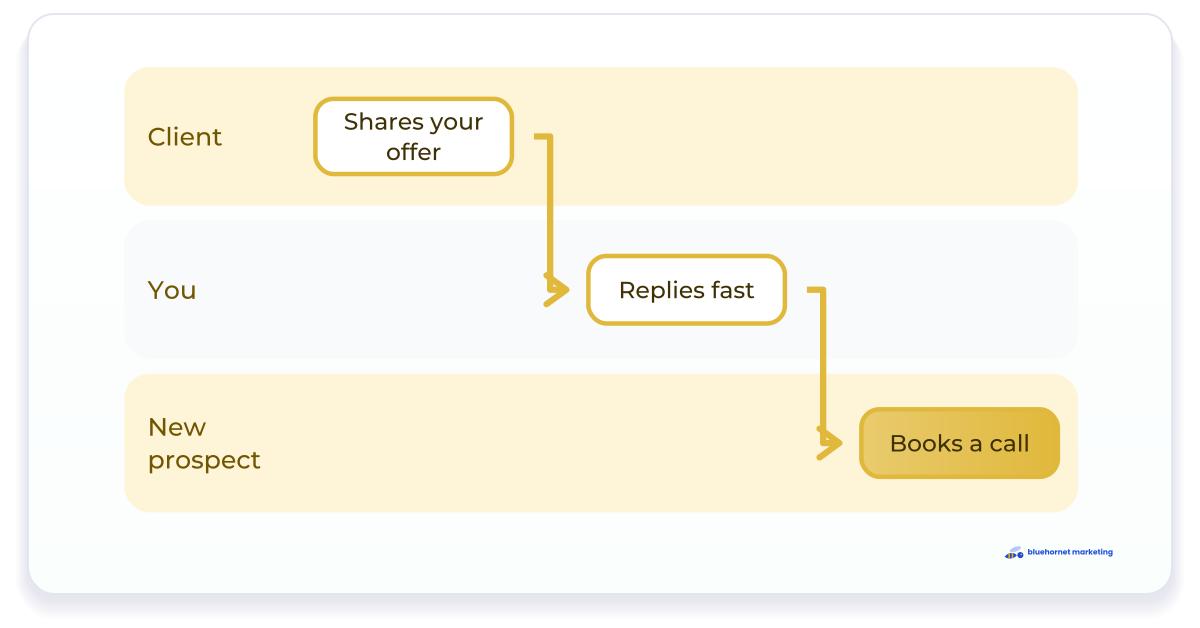
How to set up a referral offer
- Identify your 20 happiest customers and what they praise.
- Define a simple reward for both the referrer and the new customer.
- Write a short, forwardable email and a one-page form.
- Ask at a high point, such as after a result or a positive review.
- Thank every referrer personally, whether or not the lead converts.
- Count referrals in your monthly report next to every other channel.
What helps
A spreadsheet or CRM field that records the source of every new customer. Without it, referrals look like walk-ins and nobody knows the program works.
Case Study Page for One Service
An IT support company wrote one detailed customer story: the situation, what changed, the cost and the result in the client's own words. It sat on the service page and in every proposal. Prospects who read it were noticeably easier to close.
The story took a day to produce and was worth more than months of general blog posts. Small businesses tend to put their proof on a separate page nobody visits. Put it next to the decision instead.
How to write a story people believe
- Ask a happy customer for 20 minutes and record the conversation.
- Open with their problem in their words, with real numbers where you can.
- Describe what you did in plain steps, including what was hard.
- Include the result and what it cost.
- Get written permission to publish the name and quote.
- Place it on the service page, in proposals and in sales emails.
What you need
A phone with a voice recorder and a simple page template. Skip fancy design, because specifics are what persuade.
Quarterly Marketing Review
A family-owned retailer spent a modest budget across five channels and could not say which worked. Every quarter, the owner and one advisor reviewed a single sheet: spend, leads and sales by source. After two quarters they dropped two channels and doubled one.
Revenue rose modestly, but the real gain was confidence. You can make good marketing decisions with simple numbers if you look at them on a schedule. A quarterly review is also where a short small business marketing checklist earns its keep.
How the review runs
- Pull spend, leads and customers by channel for the quarter.
- Compare cost per customer, not clicks or likes.
- Pick one channel to grow, one to fix and one to stop.
- Write down what you expect to happen.
- Set the next review date before the meeting ends.
- Check later whether your expectation was right.
What you need
One shared spreadsheet and a clear method for recording where each customer came from.
What These Seven Examples Have in Common
Look at the examples side by side and a pattern appears. None of them needed a large budget, and none depended on a trend. Each one started from something the business already had: happy customers, local knowledge, a founder's experience or a spreadsheet of past sales.
In my experience, small businesses do better when they pick a channel that matches how their customers already look for them. A plumber needs map results and reviews. A software company with a long sales cycle needs trust built over months. If you are unsure what your customers do, ask the next ten of them how they found you. The answers are usually more useful than any report, and the same method sits at the base of small business marketing best practices.
The second shared trait is measurement. Every example had one number the owner looked at on a schedule. That number was not traffic or likes. It was reviews, leads, referrals or cost per customer, something close to revenue.
How to Choose Your First Example
Do not try all seven. Start with the one that matches your sales cycle and your time. Ask yourself four questions:
- Do customers find you through search, referrals or social platforms today?
- How many hours per week can you or your team give this reliably?
- Can you count the result without guessing, for example with calls or form fills?
- How long can you wait before you need to see a result?
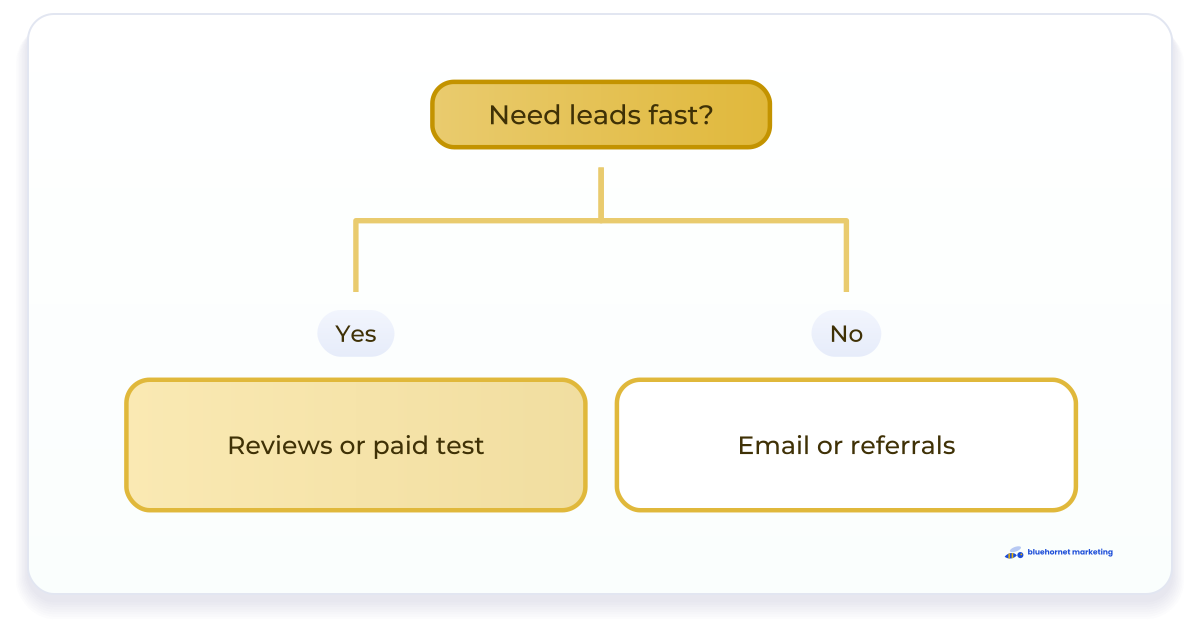
If you need results in weeks and sell a local service, start with reviews or a small paid search test. If you sell something high-value with a long decision, start with a case study or founder content. Budget matters too. My guide to small business marketing cost shows what each tactic usually takes to run. The right software also depends on the tactic, which my ranking of small business marketing tools compares.
Questions About Small Business Marketing Examples
What Is a Good Marketing Example for a Small Business with No Budget?
A reviews engine is the one I recommend most. It costs nearly nothing, relies on customers you already have and improves how you show up in local search. Claim your Google Business Profile, ask every happy customer for a review and reply to each one.
How Long Does It Take for Small Business Marketing to Work?
It depends on the tactic. Paid search can bring leads within days, referrals and reviews usually take a few months to compound and content or founder-led social often needs six months or more. Set a review date up front so you judge each tactic fairly.
Which Marketing Channel Is Best for a Local Business?
For most local service businesses I start with Google Business Profile and reviews, then a small paid search test on high-intent searches. Social media comes later unless your customers are clearly active there.
How Much Should a Small Business Spend on Marketing?
There is no single rule, and it varies with margins, growth goals and how established you are. Many small businesses set a percentage of revenue and adjust it once they know their cost per customer. My cost guide walks through the main variables.
Do I Need a Marketing Consultant for These Examples?
No, you can run several of them yourself. A consultant helps when you are unsure which tactic suits your market, cannot measure results or keep stalling. A single strategy session often settles it.
How Do I Measure Whether a Tactic Is Working?
Pick one number close to revenue, such as leads, booked calls, referrals or cost per customer, and record it monthly. Add a question about how customers heard of you to every form and conversation.
Should I Use Several Tactics at Once?
Start with one and add a second only when the first runs without much effort. Spreading attention across several channels at the start is one of the most common reasons small campaigns fail.
Disclaimer: This article is general information, not legal, tax or financial advice. Prices, ratings and platform features change, so check current details with each provider before you decide.
Was this guide helpful?
Thanks for your feedback.
Warren Albright
Warren leads the Blue Hornet editorial team and works with the consultants to turn real client projects into practical guides on content, paid media, marketing automation, CRM and analytics. He comes from content and demand generation work, edits every article before a working marketing consultant reviews it, and draws on strategies, channel plans and audits from client projects to keep the advice grounded in real numbers.