Quick Summary
- Strong inbound programs start from real buyer questions, not product features.
- Each asset needs a next step that fits the reader's stage, plus email follow-up.
- Gated content only works when it contains information readers cannot find elsewhere.
- Review your highest-traffic pages first, because the biggest gap is often conversion.
Inbound marketing is easy to describe and hard to picture. Below are seven examples of what it looks like when a team does it well, drawn from the programs I have seen up close. If you want help applying them to your market, inbound marketing consulting begins by finding which of them fits.
I use first-hand patterns, not famous brand stories, and I describe the results as realistic ranges from my client work. Your numbers will vary with your market and starting point, so treat the examples as a map, not a promise.
Seven Inbound Examples and the Stage Each One Serves
Inbound works across three stages: awareness, consideration and decision. Strong programs cover all three. This table shows where each example fits.
| Example | Stage it serves | Main asset | Result to watch |
|---|---|---|---|
| 1. Problem-First Blog That Feeds a Demo Page | Awareness | Articles | Organic demo requests |
| 2. Gated Benchmark Report | Consideration | Original research | Downloads and sales conversations |
| 3. Email Nurture After a Download | Consideration | Email sequence | Calls from existing leads |
| 4. Free Tool as a Lead Magnet | Awareness | Simple tool | Tool users who become leads |
| 5. Search-Led Service Pages With Proof | Decision | Service pages | Inquiries per page |
| 6. Webinar Series Turned Into Content | Consideration | Event plus clips | Registrants and reuse |
| 7. Conversion Review of the Highest-Traffic Pages | Decision | Existing pages | Leads from current traffic |
Seven Inbound Marketing Examples
Each example shows what the company did, the result and how you can copy the method. If you are still choosing software for any of them, the inbound marketing tools I compared cover the main options.
Problem-First Blog That Feeds a Demo Page
A project-management software company stopped writing about its own features and started answering the questions buyers asked before they ever looked for software: how to run a handoff, how to scope a client project, how to track change requests. Each article ended with a quiet link to a demo page that fit the topic.
Within a year, organic search was its largest source of demo requests, and the leads were warmer because they had already read three or four pages. The insight for you is that inbound works when content meets a problem the buyer has today, not a product they do not yet know they need.
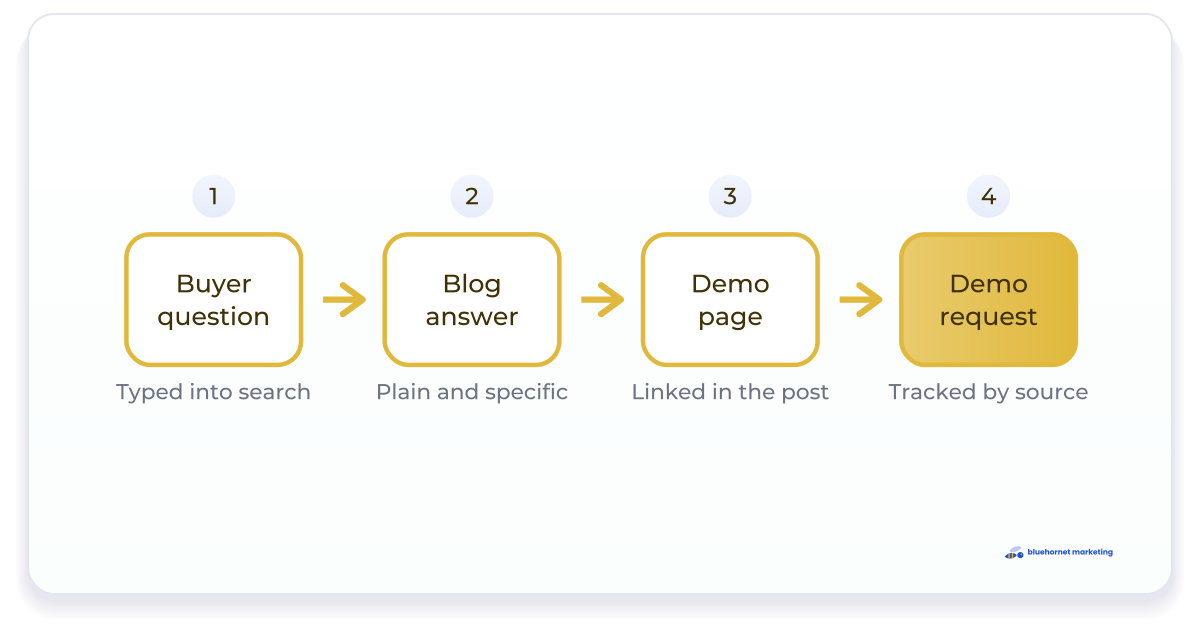
How the content engine runs
- Collect the top 30 questions from sales calls, support tickets and search suggestions.
- Group them by problem, not by product feature.
- Write one page per question with a direct answer in the first paragraph.
- Add one relevant next step per page, such as a checklist or a demo.
- Link related pages together so readers can follow a topic.
- Refresh the best performers every six months.
What you need
A content calendar, a list of real questions and a way to see which pages lead to inquiries. Analytics and a CRM with source tracking cover that.
Gated Benchmark Report
A financial software firm published a yearly report on how mid-sized finance teams spend their time. The report used its own anonymized data and a short survey of customers. It was gated behind a short form and promoted through email, LinkedIn and a press list.
Each edition produced several thousand downloads, and a clear share of sales conversations began with someone who had read it. A gated asset only works if it holds information that cannot be found elsewhere. Generic advice behind a form disappoints and damages trust.
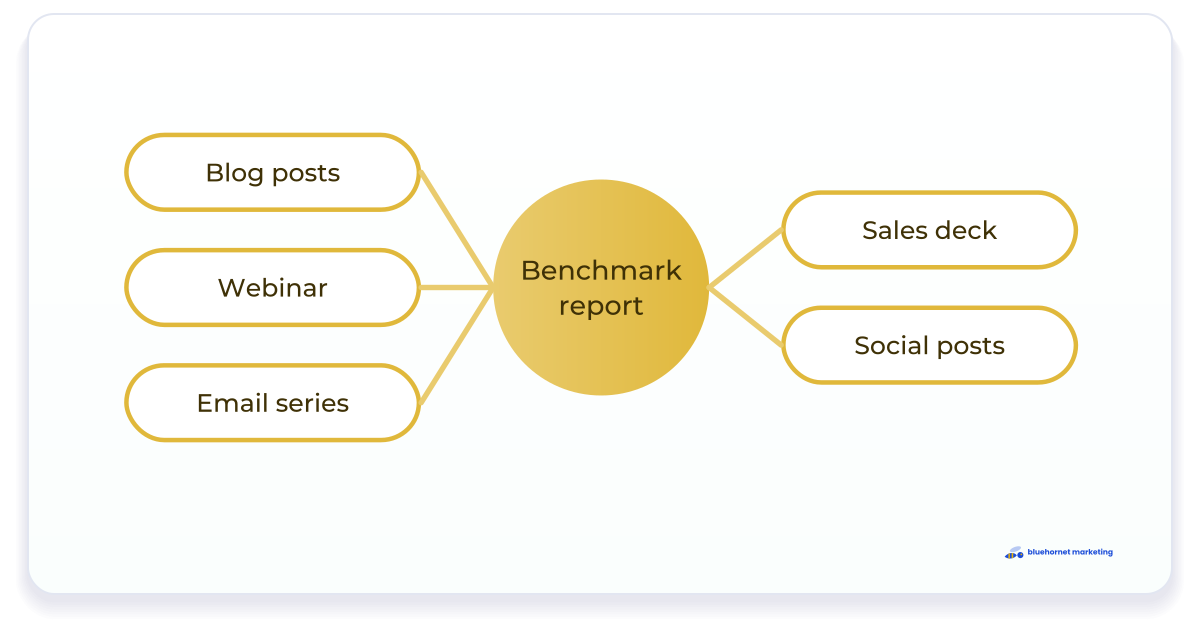
How to build a report people want
- Choose a question your market cares about and nobody has answered with data.
- Collect data from your customers, a survey or public sources.
- Publish the headline findings openly and gate the full report.
- Ask for as little as possible on the form, ideally name and work email.
- Send a three-part email series that expands on one finding at a time.
- Turn each finding into a blog post, a chart and a short video.
Tools to use
A survey tool, a landing page builder and an email platform are enough. Design help is optional, but data quality matters most.
Email Nurture After a Download
A cybersecurity consultancy offered a free checklist and nothing more. Downloads were steady but few became calls. It added a five-email sequence over three weeks, each email giving one practical tip and linking to a related article. Only the last email asked for a call.
Calls from the list roughly tripled over two quarters. The checklist stayed the same, but the sequence kept the company in the reader's mind until the need became urgent. If your inbound leads download and disappear, a nurture series is the first thing I would add.
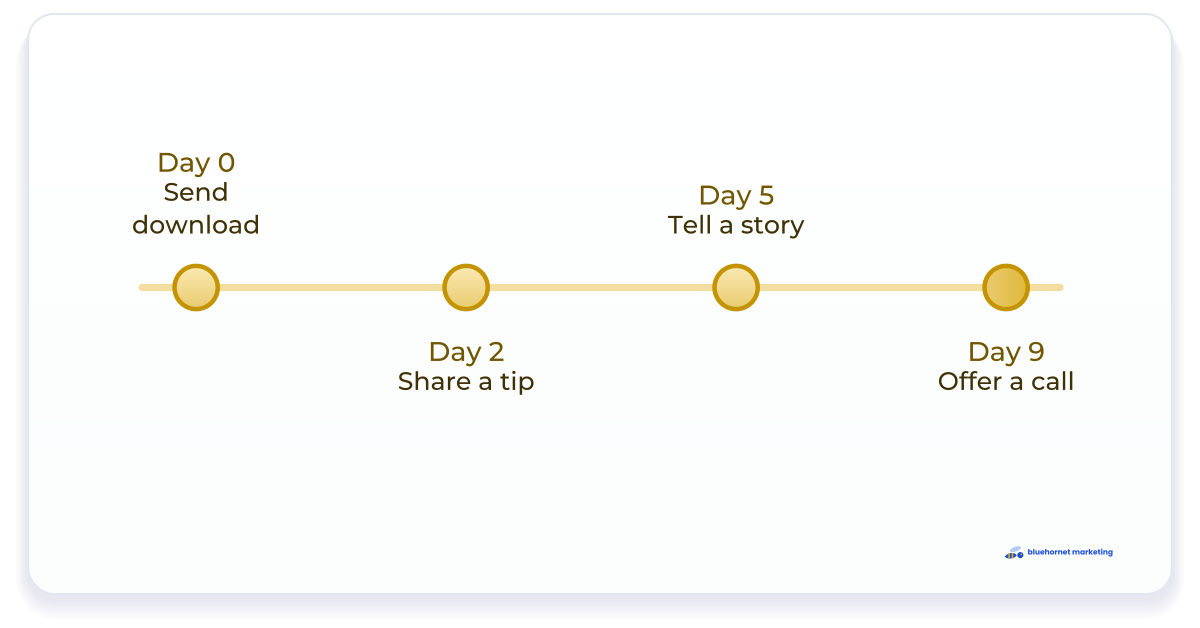
How the nurture sequence works
- Segment subscribers by what they downloaded.
- Send a welcome email right away with the asset and one clear next step.
- Follow up with three useful emails over two weeks, each focused on one problem.
- Invite a conversation in the fifth email, with a specific offer.
- Move people who click pricing or contact pages to a sales follow-up.
- Review open and reply rates monthly and rewrite weak emails.
Tools that support it
An email platform with automation and simple segmentation. Your CRM should record who opened what, so the sales team knows when to call.
Free Tool as a Lead Magnet
A web agency built a simple page speed estimator for local businesses. People typed their website address and received a short report with three fixes. The tool had little code and no sign-up wall. An optional field offered a full audit.
The tool ranked for several searches and brought in a steady flow of audits. Free tools earn links and trust because they solve a problem immediately. They also reveal buying intent: someone running a speed test already knows something is wrong.
How to launch a useful tool
- Pick a small problem your customers face repeatedly.
- Make the tool work without sign-up, to reduce friction.
- Show useful results on the page itself.
- Offer a deeper report in exchange for an email address.
- Explain the method in a short article, so people trust the result.
- Track which tool users become leads and customers.
What it takes
A developer or no-code builder for a simple version, and a page that explains how it works. Start small and improve after you see usage.
Search-Led Service Pages With Proof
An accounting firm rebuilt its service pages around the terms its best clients searched, such as 'bookkeeping for restaurants'. Each page opened with the problem, listed what the firm does, showed prices as ranges and included a short client story.
Organic inquiries doubled over nine months, and the sales team reported fewer price conversations because the pages set expectations. In inbound, service pages are the place where interest turns into an inquiry, so they deserve as much care as the blog.
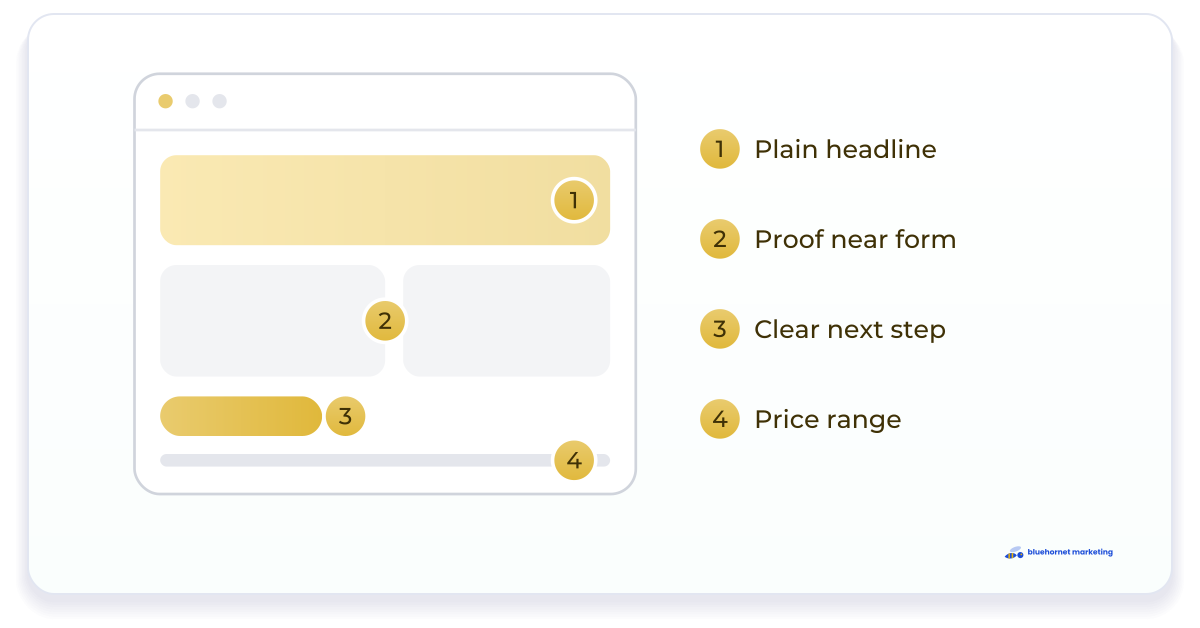
How to structure the page
- Choose one specific search term per page.
- Open with the problem in the reader's words.
- Explain what you do and what is included, in plain steps.
- Show a price range or what drives the price.
- Add one client story and two or three FAQs.
- Finish with one call to action that matches the reader's stage.
What you need
Keyword research for intent, a page template and a way to track form fills and calls by page.
Webinar Series Turned Into Content
A HR software company ran a quarterly webinar with a customer speaking about one topic, such as onboarding remote hires. Registrations came from email and LinkedIn. After each event, the team edited the recording into short clips, wrote a summary article and sent a replay email.
A single hour of event time produced six to eight pieces of content and fed the nurture sequence for weeks. Reusing one idea in several formats is how small teams keep an inbound program running without a large staff.
How the webinar-to-content loop works
- Choose a topic that matches a stage-two question, one buyers ask after they know they have a problem.
- Invite a customer or outside expert to share real experience.
- Promote for two weeks by email and LinkedIn.
- Record the session and send the replay to registrants and no-shows.
- Publish a written summary with the main takeaways.
- Cut three to five clips for social posts and email.
Tools to use
A webinar platform, an email tool and basic video editing. A CRM tag for registrants makes follow-up simple.
Conversion Review of the Highest-Traffic Pages
A training company had plenty of blog traffic and few leads. It reviewed its ten most visited pages and found that only two had a relevant next step. It added a fitting offer to each one, such as a sample lesson or a template download, and rewrote two headlines for clarity.
Leads from the blog rose by more than half within three months without any new content. Inbound often fails at the last step, not the first. Before publishing more, check whether the pages you already have turn visitors into contacts.
How to run the review
- List your top ten pages by traffic and check the leads each one produces.
- Match every page with one next step that fits its topic.
- Place the call to action after the section where interest peaks.
- Test a new headline on the weakest page.
- Watch the results for four weeks before judging.
- Repeat the process every quarter.
What to use
Analytics, a heatmap or session recording tool and a form builder. The tools reveal where readers stop, so you know what to change.
What the Best Inbound Programs Have in Common
Across these examples I see the same four habits. First, content starts from a real buyer question, not a product feature. Second, every asset has a next step that fits the reader's stage, whether that is a checklist, a webinar or a call. Third, the team follows up with email instead of hoping people return. Fourth, they review results on a schedule and change the pages that underperform.
Notice that none of these require a large team. Several of the companies above had one marketer and a part-time writer. What they had was focus. They picked three or four assets, ran them well and measured them against leads, not traffic. If you are weighing the cost of running a program, my explanation of inbound marketing ROI shows how to calculate the payback honestly.
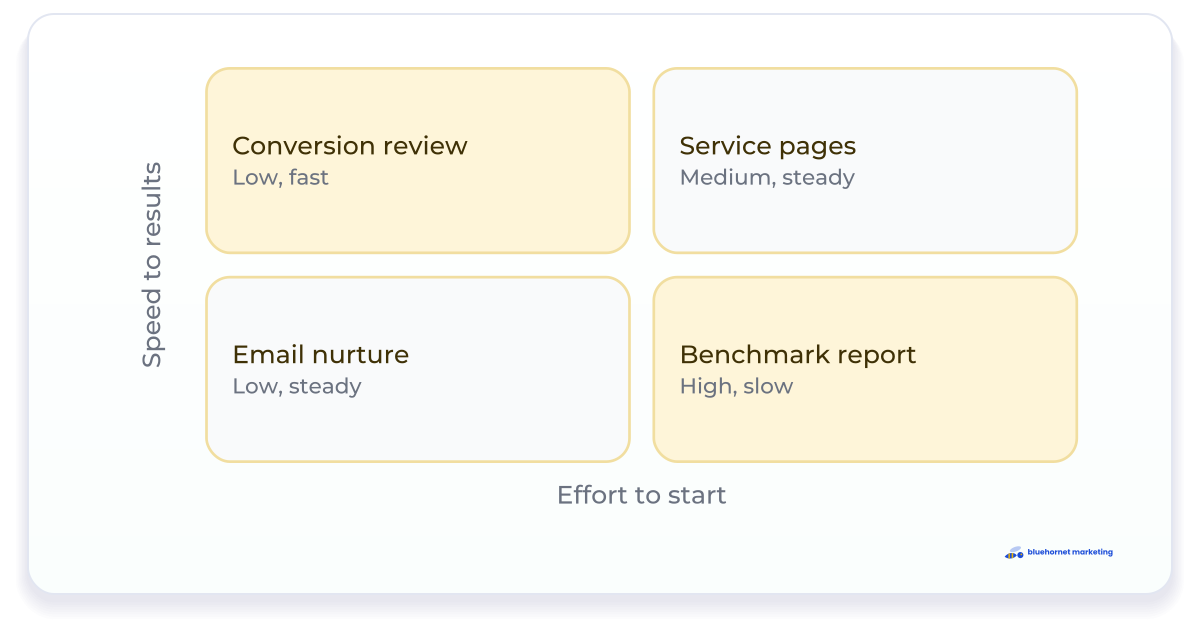
Also notice that inbound compounds. A report, a service page or a webinar recording keeps working long after you create it. That is why the first six months often feel slow and the second year feels different.
How to Choose Which Example to Start With
Do not copy all seven. Pick the one that closes your biggest gap. Ask yourself:
- Where do prospects stop today: before they find you, after they visit or after they get in touch?
- What do you already own, such as customer data, case studies or sales call recordings?
- How many people can work on this each week, and for how long?
- How soon do you need results, and how will you count them?
If your company is small, my notes on inbound marketing for small business show how to scale these ideas down. Before you launch, run your plan against the inbound marketing checklist to confirm the basics are in place.
Questions About Inbound Marketing Examples
What Is a Good Example of Inbound Marketing?
A blog post that answers a real buyer question, ends with a relevant offer and feeds an email sequence is the classic one. Combined with a clear service page and follow-up, it is a complete inbound loop.
How Long Does Inbound Marketing Take to Produce Leads?
Many programs show early signals within three to four months, such as traffic to key pages and first inquiries. Meaningful volume often takes six to twelve months. Search-led content usually takes longer than email or webinars.
Is Inbound Marketing Better than Outbound?
They suit different situations. Inbound builds a stream of warm leads and compounds, but it is slower. Outbound is faster and more controllable. Many companies use both and let inbound shorten sales cycles.
What Content Works Best for Inbound?
Content that answers specific questions in the buyer's words, original research, free tools and detailed service pages. Generic advice and product announcements perform poorly.
Do I Need a Big Team for Inbound Marketing?
No. Several examples here ran with one marketer and a part-time writer. Focus on three or four assets and follow-up rather than many channels.
Should I Gate My Content Behind a Form?
Gate only content that people would value highly, such as original data or detailed templates, and keep the form short. Publish most of your articles openly, because that is how search brings people in.
How Do I Measure Inbound Results?
Track leads, qualified opportunities and customers by source, and compare cost with revenue. Traffic and downloads are early signals. Revenue per source is the final test.
Disclaimer: This article is general information, not legal, tax or financial advice. Prices, ratings and platform features change, so check current details with each provider before you decide.
Was this guide helpful?
Thanks for your feedback.
Warren Albright
Warren leads the Blue Hornet editorial team and works with the consultants to turn real client projects into practical guides on content, paid media, marketing automation, CRM and analytics. He comes from content and demand generation work, edits every article before a working marketing consultant reviews it, and draws on strategies, channel plans and audits from client projects to keep the advice grounded in real numbers.