Quick Summary
- AI use for health questions is growing, and patients still check sources they trust, so clinician-reviewed content matters more.
- Frequent use of search and social media for health information is projected to fall, while use of government health sites is projected to rise.
- Court rulings have narrowed the HHS tracking guidance on public pages, and tracking on patient portals remains off limits without HIPAA coverage.
- Your own patient and prospect data, collected with permission, is becoming your most reliable marketing asset.
Healthcare marketing is moving along two lines at once: patients behave more like consumers, and regulators keep tightening what you can do with their data. The trends below sit where those lines meet. They are the ones I bring up first when I plan with providers in healthcare marketing consulting engagements.
I use numbers only where I can point to a survey and say who ran it. Two of the surveys below measure the same behavior with different samples, so treat them as direction, and read the projections as someone’s forecast and not as fact.
| Trend | Evidence | Your first move |
|---|---|---|
| 1. AI shortlists | KFF: 17% of adults use chatbots monthly for health information | Rewrite top service pages as clear answers |
| 2. Trust gap | KFF: 56% not confident in chatbot accuracy | Add clinician bylines and review dates |
| 3. Search decline | Wheelhouse: 13% projected drop in frequent use by 2028 | Strengthen direct and local channels |
| 4. Social shift | Wheelhouse: about 10% average projected drop | Use social for reach, not authority |
| 5. Official sources | Wheelhouse: 21% projected growth for government sites | Link to and cite trusted sources |
| 6. Privacy rules | Court ruling narrowed HHS tracking guidance | Audit tags with compliance |
| 7. Reviews | Practitioner experience across locations | Standardize the ask and the reply |
| 8. Messaging | Patients expect fast replies | Set response targets and handoffs |
| 9. Clinician video | Mayo Clinic’s early use of video Q&A | Short videos by named clinicians |
| 10. First-party data | Platforms limit targeting | Clean, consented lists and segments |
1. AI Tools Build the First Shortlist
The KFF Health Misinformation Tracking Poll, fielded in June 2024 among 2,428 adults, found that 17% of U.S. adults use AI chatbots at least once a month to find health information and advice, rising to 25% among adults under 30. A Wheelhouse Digital Marketing Group survey of 1,099 Americans found 38% using AI for health information weekly. The surveys differ in method, and both show a habit forming.
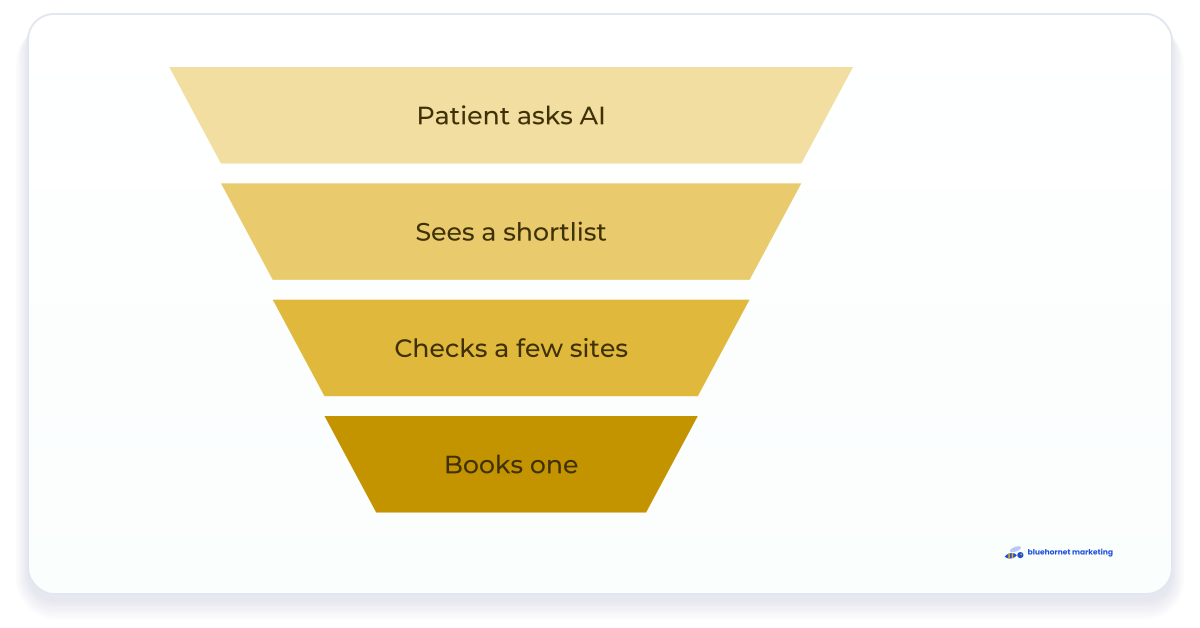
A patient who asks an AI tool about knee pain and options gets a summary and a short list of providers, often before any website visit. You influence that list through what exists about you: your own pages, your listings, your reviews and the sources that mention you. In my experience, that argues for fewer and better pages. Rewrite your top service lines so that each one answers the five questions a patient asks first, in plain language.
2. Patients Use AI and Still Doubt It
In the same KFF poll, only 29% of adults said they trust chatbots to provide reliable health information, and 56% were not confident the information is accurate. The Wheelhouse survey found that only 36% always verify AI health answers, compared with 43% for search engines. Those figures describe a gap: patients use a tool they do not fully trust and often do not check it.
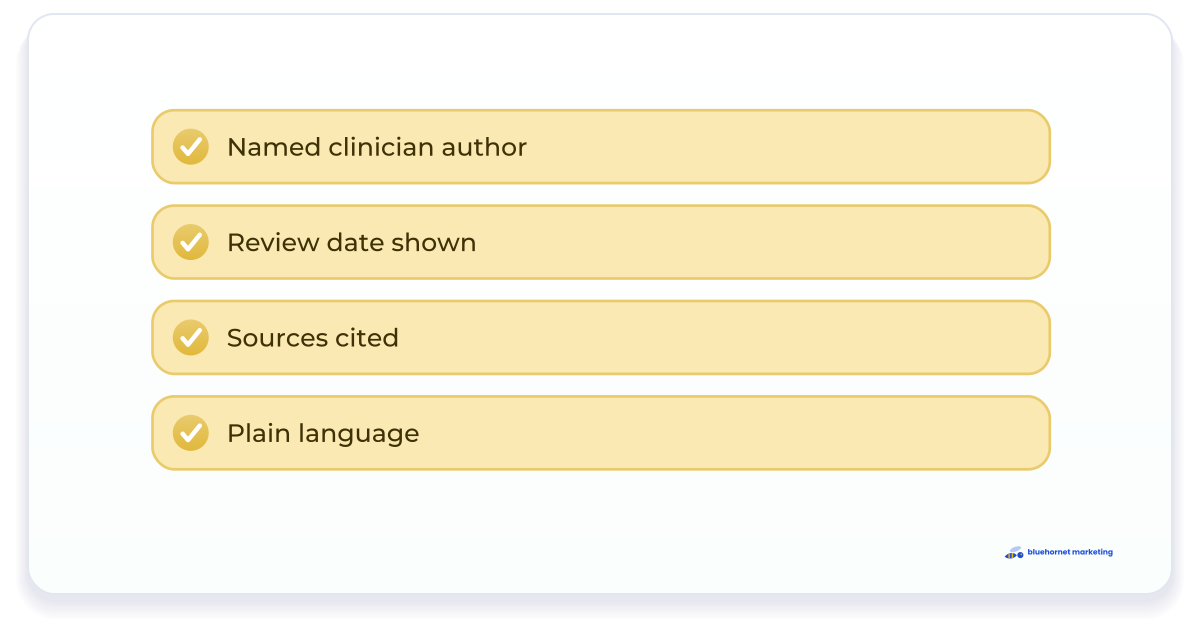
Your opening is accuracy. A page with a named clinician author, a review date, plain explanations and sources gives a skeptical patient something to rely on, and gives any system that summarizes you better material. I treat this as the main content rule for 2026: if a page does not have an accountable author, do not publish it.
3. Frequent Search Use Is Forecast to Fall
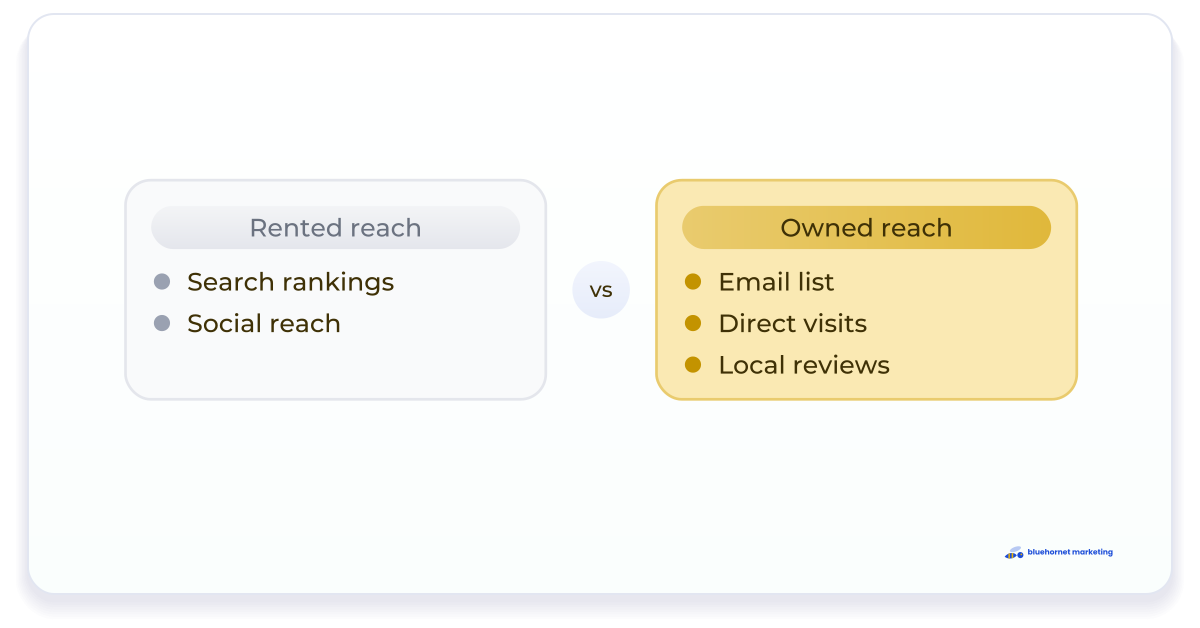
Wheelhouse projects a 13% decline in frequent use of search engines for health information by 2028, and expects the share of Americans who do not trust search at all to double. It is a forecast, and I read it as a warning about concentration more than a prediction. If search is your only channel, a change in how people look for care hits your whole pipeline at once.
The response is a wider base. Build up direct visits through email and text lists, keep your maps listing complete and invest in referral relationships. My list of healthcare marketing tips puts these items in the order I would tackle them, and none of them depends on a single platform.
4. Social Platforms Lose Authority
The same Wheelhouse report projects an average 10% decline in frequent use of social platforms for health information by 2028, with Facebook, YouTube and Instagram expected to see some of the largest declines. Trust in social platforms trails provider and medical sites by a wide margin, according to the report.
That does not make social useless. It remains a place to reach people who are not searching yet, and to show your staff and community work. It becomes a weaker place to prove clinical authority. I would keep social budgets steady, and move claims and detail to your own website, where you control the review process.
5. Official Sources Gain Ground
Wheelhouse projects 21% growth in usage of government health sites by 2028. If patients lean toward official sources, your content gains from sitting beside them. Link to public health authorities where it helps the reader, match your language to theirs on basic facts, and add what they cannot: local access, your clinicians and how to book.
I would also expect more questions about who is behind a page. Add an About section to each clinical area, list credentials and keep your editorial policy where people can see it. This costs almost nothing, and it separates you from the thin pages that fill the search results.
6. Privacy Rules Narrow What You Can Track
In 2022, HHS issued guidance on online tracking technologies for HIPAA covered entities. A federal court later vacated part of it: according to the HIPAA Journal, tools that link an IP address to a visit to a public page about a condition or provider are not, by that fact alone, protected health information. The rest of the guidance remains, including the limit on using tracking tools on authenticated pages such as patient portals without HIPAA coverage. OCR withdrew its appeal, so the ruling stands.
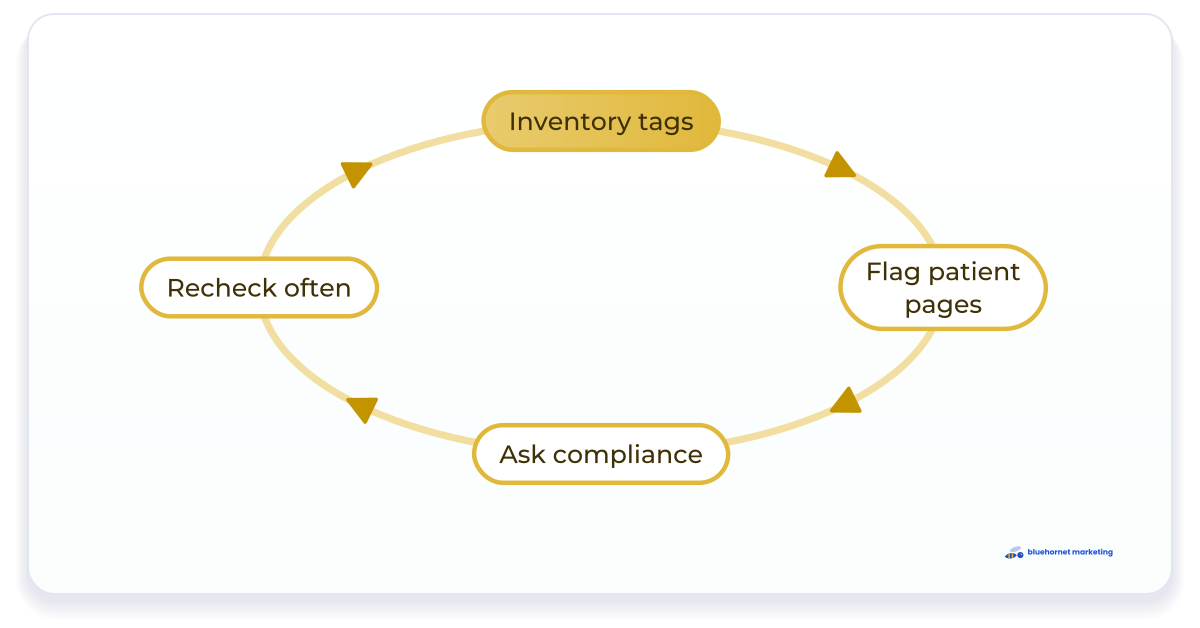
State privacy laws and class actions add more risk, and the rules continue to move, so I do not state deadlines or predict outcomes here. Do three things: list every tag on your site, keep them off logged-in pages and ask your compliance team to sign off on each new one. A quarterly review keeps the list honest.
7. Reviews Work as a Referral Engine
Patients read reviews before they call, and one Google rating often decides between two similar providers. Across multi-location clients I see the same pattern: the sites with a standard process for asking, replying and escalating complaints hold higher ratings than the ones where each office improvises. Tools such as Birdeye automate the process, and my ranking of healthcare marketing tools compares your options.
Replies need care. Never confirm that someone is a patient in a public reply, even to thank them, and give your team approved wording that invites the person to call you directly. Escalate any mention of safety to the right person the same day.
8. Patients Expect Fast, Two-Way Messaging
People now expect to text a provider, book online and get an answer within hours. I do not have a survey to cite, and my evidence is the pattern I see in client accounts: inquiries that get a reply within the hour convert much more often than those that wait a day. Chat, text and web forms need an owner and a response target.
Keep messages free of clinical details unless the channel is covered by the right agreements. Use templates for scheduling and directions, and move anything clinical to a secure portal or a call. Staff training matters more than the platform you choose here.
9. Clinician-Led Video Builds Familiarity
Mayo Clinic established its Center for Social Media in 2010 and showed a video of a doctor inviting new patients to ask him questions online, with the goal of building familiarity before the first visit. The principle holds today: people want to meet the person before they commit to the appointment.
Short videos of named clinicians explaining a procedure, what to expect on the day or how to prepare answer real questions and hold up well as a source. Keep them short, review them with the clinician and compliance, and put captions on every clip. Give each video its own page so search tools can find it.
10. First-Party Data Becomes the Foundation
With tracking limited and ad platforms narrowing targeting, the data you collect directly is the asset you control. That means consented email and phone lists, clear preferences and clean records of which service line each contact cares about. Segment on what people told you, not on sensitive inference.
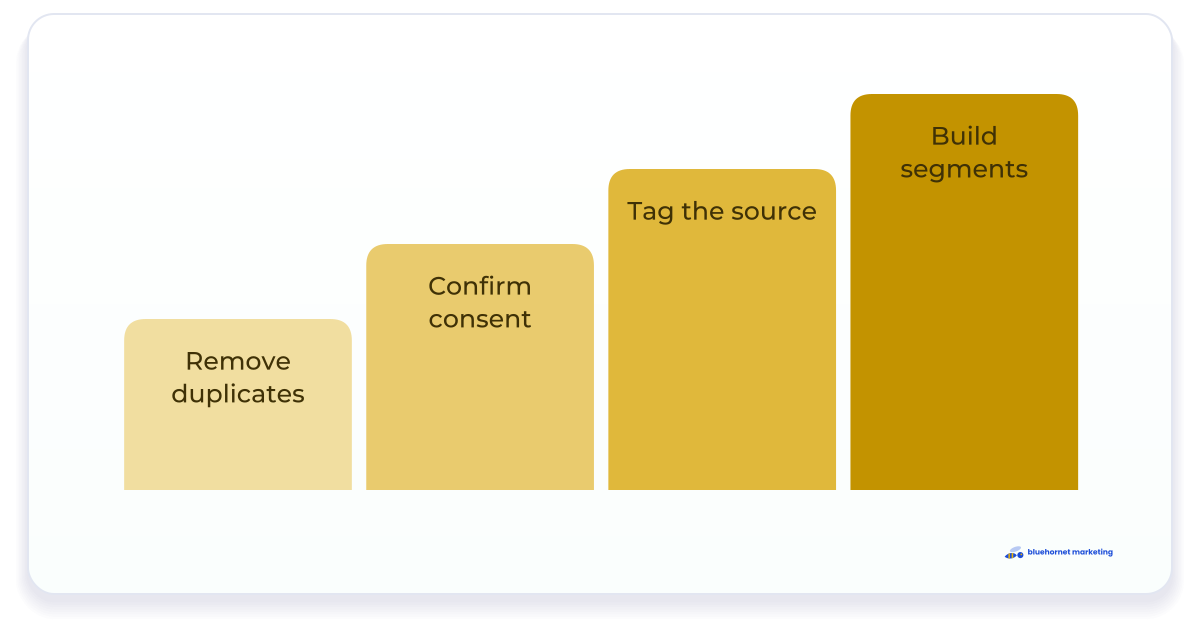
The first project is a data cleanup: remove duplicates, confirm consent and add a preference field to every form. The second is a small set of useful messages by segment, such as screening reminders and new-clinic announcements. I describe the challenges that come with this work, from approvals to staffing, in my guide to healthcare marketing challenges.
How to Choose Which Trends to Follow
Start with the ones that make your existing channels sturdier: accurate content, reviews, response times and data hygiene. Then add reach, such as video and referral programs. Tools and tactics come last, and my healthcare marketing examples show how large systems sequenced the same moves.
For each trend, ask three questions. Which patients does it reach, how soon can I measure it, and what does compliance need to see? A trend that scores well on all three goes into this quarter’s plan. One that fails any of them waits.
Questions About Healthcare Marketing Trends
What Are the Biggest Healthcare Marketing Trends in 2026?
AI answers shaping the first shortlist, patients who trust official and clinician sources more than social media, tighter privacy rules around tracking, and more reliance on your own patient and prospect data. Each of them rewards credible, clinician-reviewed content and clean data practices.
How Is AI Changing Healthcare Marketing?
Patients use AI tools to learn about symptoms, treatments and providers before they call. For you, that raises the value of accurate, clearly written service and condition pages, strong reviews and consistent listings. It also raises the stakes for accuracy, since mistakes spread quickly.
Is Social Media Still Useful for Healthcare Marketing?
Yes, with realistic goals. The Wheelhouse survey projects frequent use of social platforms for health information to decline on average by 10% by 2028, and trust in them trails provider and medical sites by a wide margin. Use social for reach and community, and put authority content on your own site.
Does HIPAA Affect Marketing Tracking Tools?
It can. A federal court partly vacated the HHS tracking technology guidance for public pages, and the rest still applies, including to authenticated pages such as patient portals. Have your compliance team approve every tag and keep tracking off logged-in areas.
What Content Works Best for Healthcare Websites?
Plain-language pages written or reviewed by a clinician, with a named author, a review date and sources. Those pages answer a real question quickly and give both people and search systems a reason to trust you.
How Much Should a Healthcare Organization Spend on Marketing?
I do not know of a reliable cross-industry number, and budgets depend on service lines, competition and capacity. Start from the service lines with the highest margin and the most unused capacity, and size the budget to the patients you can serve.
How Do I Know Which Trend to Act on First?
Rank each one by how many patients it can reach, how soon you can measure it and how much compliance review it needs. Start with the ones that score well on all three, which for most organizations means content accuracy, reviews and data hygiene.
Sources
- KFF Health Misinformation Tracking Poll: Artificial Intelligence and Health Information
- How Americans Search for Health Information in 2026, Wheelhouse Digital Marketing Group
- OCR Drops Appeal in AHA Tracking Technology Case, HIPAA Journal
- Use of Online Tracking Technologies by HIPAA Covered Entities and Business Associates, HHS
- Mayo Clinic Leads Social Conversations About Healthcare, MIT Sloan Management Review
Disclaimer: This article is for general information only and isn’t legal, financial or tax advice. Treat figures as estimates from typical work and confirm details with your providers before you act.
Was this guide helpful?
Thanks for your feedback.
Warren Albright
Warren leads the Blue Hornet editorial team and works with the consultants to turn real client projects into practical guides on content, paid media, marketing automation, CRM and analytics. He comes from content and demand generation work, edits every article before a working marketing consultant reviews it, and draws on strategies, channel plans and audits from client projects to keep the advice grounded in real numbers.