Quick Summary
- Choose one service line and one patient before you choose a channel.
- Named clinicians, plain-language answers and a complete maps listing do more than extra ad spend.
- Keep tracking tags off authenticated pages, and get business associate agreements in writing before patient data enters a tool.
- Measure booked appointments by source, since clicks alone will not win budget.
Healthcare marketing rewards care more than cleverness. The providers I see make steady progress follow a short list of habits, and most of those habits cost staff time instead of ad spend. They are the first tips I share when I start healthcare marketing consulting work with a new organization.
Each tip below has a short do and avoid line, so you can scan the list and pick two to start with. Where a figure appears, I name the source. Everything else comes from my own client experience, and I say so.
| Area | Tips | Where to start |
|---|---|---|
| Focus and content | 1, 2, 3, 9 | Name the service line, then add clinician bylines |
| Local presence | 4, 5, 6 | Complete the listing, then standardize reviews |
| Privacy and compliance | 7, 8, 12 | Audit tags and list vendor agreements |
| Data and measurement | 10, 11 | Track booked appointments by source |
12 Healthcare Marketing Tips and How to Apply Them
I ordered the tips by how early I would act on them, not by importance. Compliance items sit in the middle on purpose, since you need the content and local basics in place before there is anything to audit.
1. Name One Patient and One Service Line
Healthcare organizations offer dozens of services, and marketing that tries to promote all of them reaches nobody. In my client work, the plan gets sharper the moment someone writes down one service line and the person who needs it, such as adults over 50 who need a knee consult.
Do this: Pick the service line with the best margin and spare capacity, and write the patient in one sentence.
Avoid this: Launching five campaigns at once for every department that asks.
2. Put a Clinician Name on Every Clinical Page
Patients and search systems both look for who stands behind medical information. A named reviewer with credentials and a review date answers that question before the reader asks it.
Do this: Add an author, reviewer, review date and one primary source to every condition and treatment page.
Avoid this: Anonymous “staff writer” pages on topics that affect health decisions.
3. Write Pages That Answer One Question Each
Most patients arrive with a specific question: how long is recovery, does insurance cover it, what happens on the day. A page that answers one of those in plain language beats a long service overview.
Do this: List the ten questions your front desk hears most and give each its own page.
Avoid this: Hiding answers in a PDF or a long page where nobody finds them.
4. Make Your Maps Listing Complete Before Anything Else
For local searches, the map listing is often the first thing a patient sees. Hours, services, accessibility details, photos and a correct phone number cost nothing and affect every other channel.
Do this: Check every location listing quarterly and answer the questions section.
Avoid this: Letting old phone numbers and closed hours linger across directories.
5. Standardize How You Ask For and Answer Reviews
Ratings shape choices, and a steady stream of new reviews matters more than a perfect average. Offices that ask by text after the visit and answer within two days hold better ratings in my experience.
Do this: Give every office the same ask, the same reply template and an escalation path for complaints.
Avoid this: Confirming that someone is a patient in a public reply, or paying for reviews.
6. Set a Reply-Time Target for Every Inquiry Channel
Phone, chat and forms each have a clock. Inquiries that get a human reply within the hour convert far better than those that wait a day, and nobody notices the loss because the patient never complains.
Do this: Name an owner for each channel and track the median time to first reply.
Avoid this: Leaving form submissions in a shared inbox that nobody owns.
7. Keep Tracking Tags Off Logged-In Pages
HHS tracking guidance was partly vacated for public pages, and tracking tools still may not be used on authenticated pages such as patient portals without HIPAA coverage. A tag you forgot about can cause trouble you never intended.
Do this: Audit every pixel and script quarterly with your compliance lead and remove what you do not use.
Avoid this: Letting an agency or intern add a new tag without sign-off.
8. Ask Your Vendors About Business Associate Agreements
Any tool that touches protected health information needs the right agreement, and not every plan of every vendor offers one. The answer should be in writing before the first record goes in.
Do this: Keep a list of every tool, what data it holds and whether an agreement is in place.
Avoid this: Assuming a well-known platform is covered on every plan.
9. Use Video of Real Clinicians, Kept Short
A short video of the person who will treat you is the closest thing to a first meeting before the visit. It does not need studio quality. Mayo Clinic used simple video of a doctor inviting questions to build familiarity.
Do this: Record 60-second answers to common questions, with captions and a transcript.
Avoid this: Scripted promotional films that sound like an advertisement.
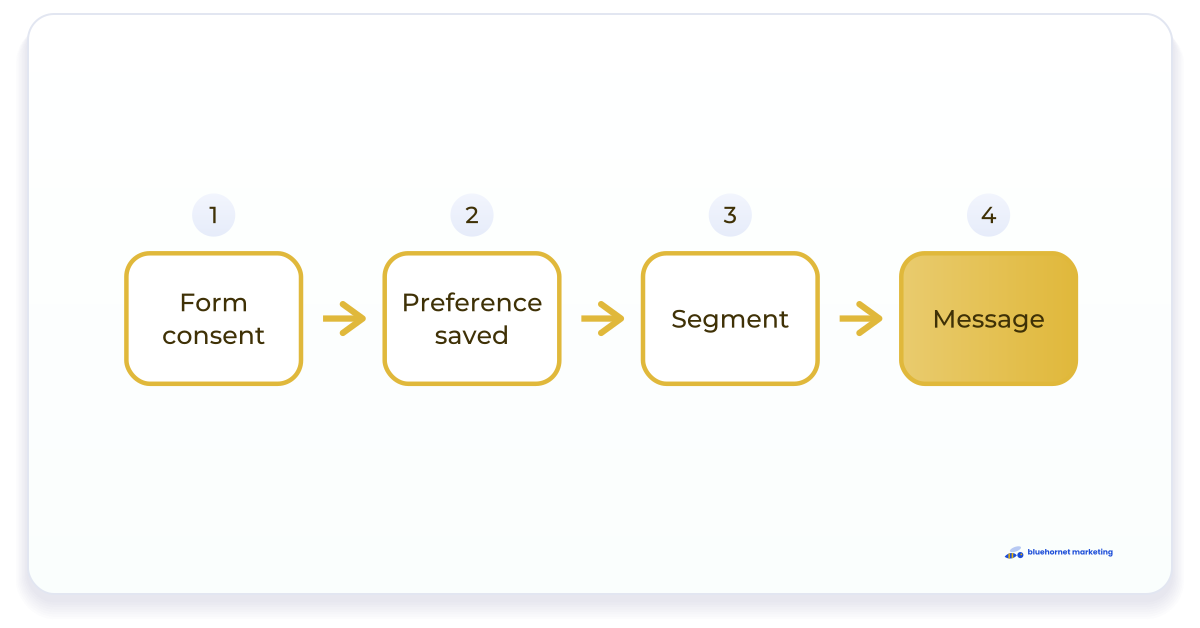
10. Build Your Own Consented Patient and Prospect List
Ad platforms keep limiting what you can target, so the list you own matters. Segmented messages about screening reminders or a new clinic reach people who asked to hear from you.
Do this: Collect consent and a preference on every form, and clean the list twice a year.
Avoid this: Segmenting on sensitive inferences about someone’s health.
11. Measure Booked Appointments, Not Just Clicks
Clicks and impressions are easy to report and easy to inflate. A leadership team cares about booked visits and inquiries by service line, and a number tied to those wins budget.
Do this: Track booked appointments by source and service line each month.
Avoid this: Reporting traffic as the result of a campaign.
12. Review the Plan Quarterly With Compliance in the Room
Healthcare marketing slows down when approvals arrive at the end. If compliance sees the plan early and again each quarter, most issues come up while they are cheap to fix.
Do this: Hold a standing quarterly review with marketing, clinical and compliance leads.
Avoid this: Sending finished campaigns for approval at the last minute.
Where These Tips Fit With What Is Changing
Several of these moves come straight from shifts in patient behavior. A KFF poll found that 17% of U.S. adults use AI chatbots monthly for health information, and 56% were not confident in the accuracy of what they get. That gap is why named clinicians and sources matter. I look at the wider picture in my overview of healthcare marketing trends.
The tools you pick make the tips easier to apply. Review software handles the ask, a marketing platform handles lists and a plain analytics setup handles measurement, and my ranking of healthcare marketing tools compares them. For ideas on how big systems have put similar habits into practice, read my healthcare marketing examples.
A Sensible Order for the First 90 Days
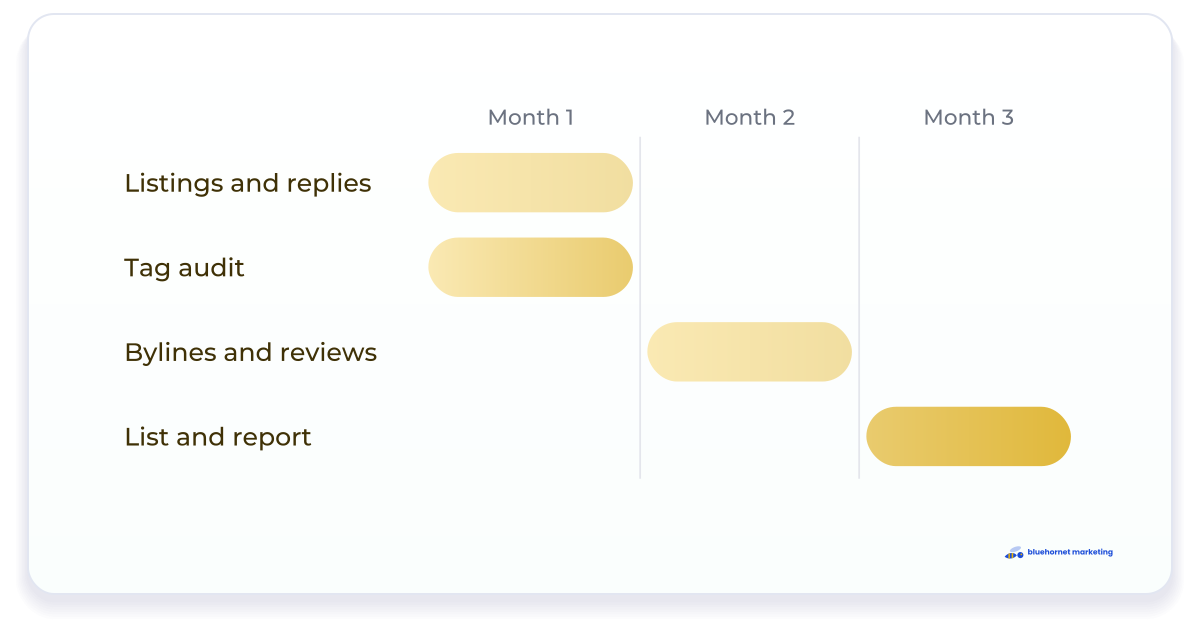
You do not need to apply all twelve at once. In the first month, complete your listings, set reply-time owners and run the tag audit. Over the second month, add clinician bylines to your top ten pages and standardize the review ask. In the third month, start your consented list and build a simple monthly report of booked appointments by source.
Most of the friction I see comes from approvals and staffing, not from the tactics themselves. I cover that side in my guide to healthcare marketing challenges. Expect to revisit the plan every quarter, and keep compliance in the room.
What Good Looks Like After Six Months
A provider that has worked through the first tips should see a few signs. Listings match across every directory, and each office adds reviews every month. Calls and forms get a reply within the target time, and someone owns the number. Your top pages carry a named reviewer and a date, and your compliance lead can show a list of every tag and tool on the site.
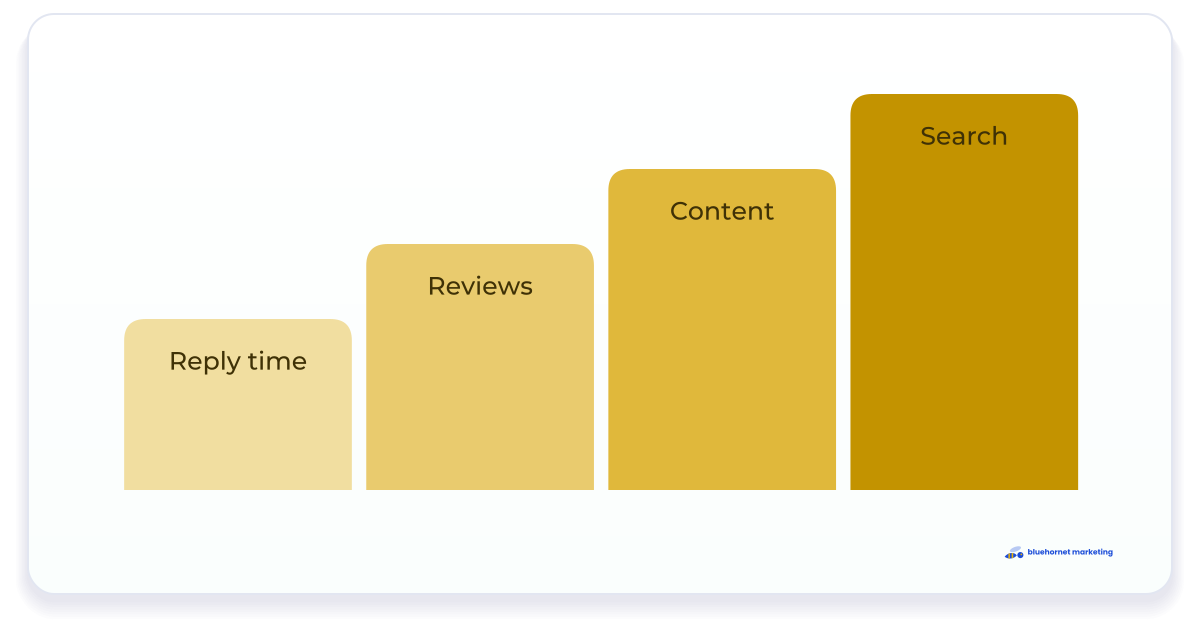
The results show up unevenly. Reply-time and review changes tend to move bookings within weeks, while content and search work builds slowly and then compounds. If a quarter passes and booked appointments by source are still flat, look at the handoff between inquiry and booking before you add another channel. In my experience, that is where most of the unclaimed value sits.
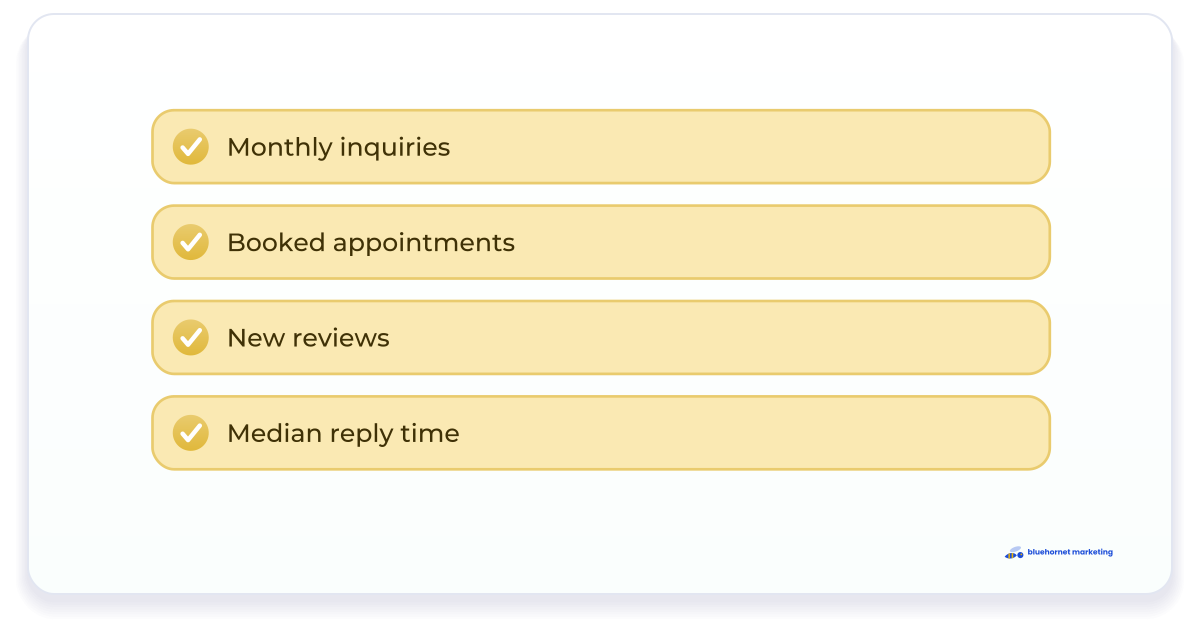
Write down your starting numbers before you begin, so you can compare. Four are enough: monthly inquiries, booked appointments, new reviews and median reply time. A one-page report each month keeps leadership interested and keeps the plan honest about what is working. Share it with the clinicians who contribute content too, because seeing which pages bring bookings is the best motivation for the next review cycle, and it shows compliance exactly how the program behaves in practice.
How to Pick Your First Two Tips
Choose by leak and by effort. If your phones and forms are slow, start with tip 6. If your reviews lag the competition, start with tip 5. If compliance has not seen your tags, start with tip 7. Pair one of those with a content tip, so you fix a leak and build an asset at the same time.
- Which tip fixes a problem patients already feel?
- Which can your team finish in 30 days?
- Which one does compliance need to see first?
Questions About Healthcare Marketing Tips
What Is the Most Important Healthcare Marketing Tip?
Name the patient and the service line you want to grow. Every other tip works better once that is clear, because it decides which pages to write, which channels to use and what to measure.
How Can a Small Clinic Compete with Large Health Systems?
Win on specifics: local detail, named clinicians, fast replies and a strong review base. Large systems have scale, and you have the personal touch that patients mention in reviews.
Do I Need an Agency for Healthcare Marketing?
Not for the basics. Maps listings, reviews and reply times are in-house work. Bring in a consultant when you need a plan across service lines, content at scale or help with compliance and measurement.
How Do I Keep Healthcare Marketing HIPAA Compliant?
Know where patient data goes, keep tracking tags off logged-in areas, get business associate agreements where they apply and have compliance review the plan. I do not give legal advice, so check the specifics with your counsel.
How Long Does Healthcare Marketing Take to Show Results?
Reviews, listings and reply-time fixes show up within weeks. Content and search work usually need six months or more. Judge each tip on its own timeline.
How Much Should I Spend on Healthcare Marketing?
Size the budget to the patients you can serve, and begin with the cheapest fixes. Many of these tips cost staff time more than money.
Which Tips Work Best for a Multi-Location Group?
Standard review routines, listing accuracy across every location and per-location reporting. Consistency matters more than clever campaigns when you have many offices.
Sources
- KFF Health Misinformation Tracking Poll: Artificial Intelligence and Health Information
- OCR Drops Appeal in AHA Tracking Technology Case, HIPAA Journal
- Mayo Clinic Leads Social Conversations About Healthcare, MIT Sloan Management Review
Disclaimer: This article is for general information only and isn’t legal, financial or tax advice. Treat figures as estimates from typical work and confirm details with your providers before you act.
Was this guide helpful?
Thanks for your feedback.
Warren Albright
Warren leads the Blue Hornet editorial team and works with the consultants to turn real client projects into practical guides on content, paid media, marketing automation, CRM and analytics. He comes from content and demand generation work, edits every article before a working marketing consultant reviews it, and draws on strategies, channel plans and audits from client projects to keep the advice grounded in real numbers.