Quick Summary
- Privacy rules shape every healthcare channel, so audit your tags and vendors before you plan campaigns.
- Patient decisions are slow and emotional, so answer real questions at each stage instead of pushing offers.
- Pre-approved claims and templates remove most of the delay from compliance reviews.
- Track cost per booked patient by source, because clicks alone hide what brings in appointments.
Healthcare marketing looks like any other kind until you try it. Your audience is worried, your rules are stricter and the cost of a mistake is higher than a wasted ad budget. A healthcare marketing consulting engagement usually starts by sorting which problems are real constraints and which are habits that a better process can fix.
Below are the seven challenges I see most often when I review practices, clinics, health systems and health tech companies. Each one comes with the practical steps that have worked, so you can decide what to tackle first.
The Seven Challenges at a Glance
The table shows where each challenge hits hardest and how quickly you can usually improve it. Quick wins sit at the top of the fix column, structural problems at the bottom.
| Challenge | Where it hurts most | Typical first fix |
|---|---|---|
| 1. Privacy Rules Limit Your Targeting | Paid media and website tracking | Audit every tag and pixel on patient pages |
| 2. Long, Emotional Patient Decisions | Conversion and follow-up | Map the journey and answer the real questions |
| 3. Reputation You Only Partly Control | Local search and trust | Build a steady, compliant review routine |
| 4. Local Search Across Many Locations | Multi-location groups | Clean up listings and location pages |
| 5. Slow Compliance Approvals | Campaign speed | Pre-approve templates and claims |
| 6. Proving Which Marketing Brings Patients | Budget decisions | Track calls and bookings by source |
| 7. Accurate Content at the Right Reading Level | Organic search and credibility | Add clinical review and plain-language edits |
Seven Healthcare Marketing Challenges and How to Handle Them
I start with the challenge that shapes every other decision, which is privacy. If you get that wrong, nothing else matters. If you want to see how other teams solved these problems in practice, my write-up of healthcare marketing examples shows what worked.
Privacy Rules Limit Your Targeting
The HIPAA Privacy Rule generally requires a patient's written authorization before you use their protected health information for marketing, with a few exceptions such as face-to-face communication. HHS publishes its guidance on marketing, and it is worth reading in full before you plan a campaign. In practice the rule shapes your ad audiences, your email lists and any tool that touches patient data.
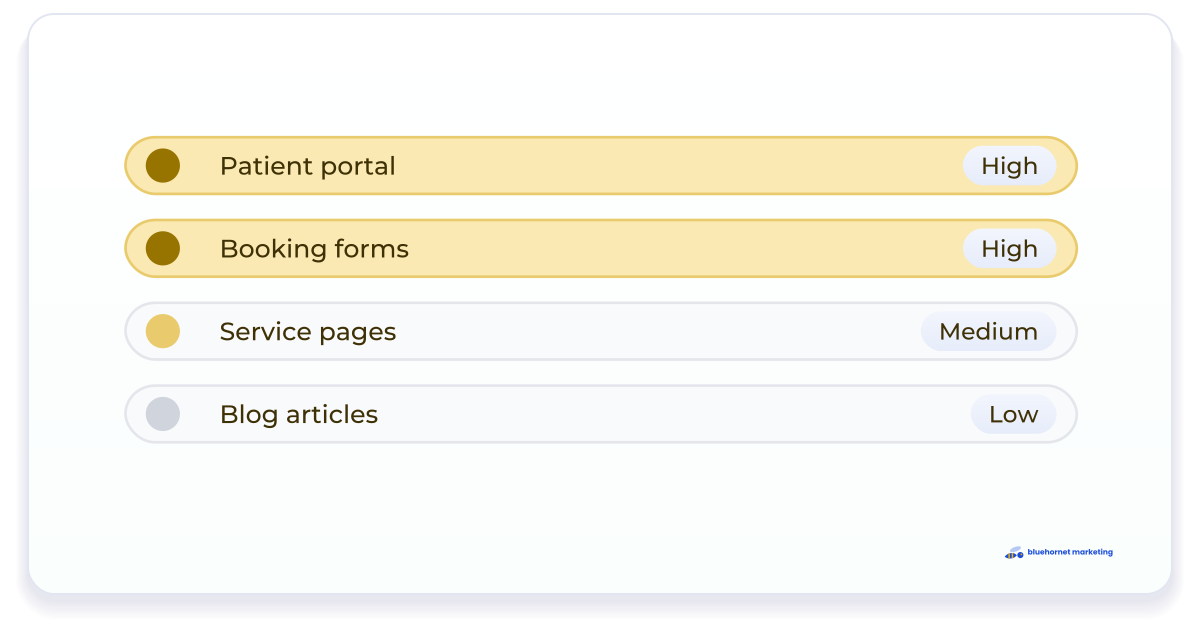
Tracking is where most teams get caught. HHS has also issued guidance on online tracking technologies, and parts of it have been challenged in court, so ask your counsel for the current position. Platforms add their own limits: Google restricts personalized ads based on sensitive health information, and the FTC enforces its Health Breach Notification Rule for some health apps and vendors outside HIPAA. In my client work, the first tag audit of a health site almost always finds a pixel nobody remembers adding.
How to Get Your Tracking Under Control
- List every pixel, tag and script on your site, with the owner of each.
- Remove tracking from logged-in and appointment pages unless counsel approves it.
- Sign business associate agreements with every vendor that handles patient data.
- Use contextual and condition-level targeting, not patient lists, for paid media.
- Review the list every quarter, because tags creep back in.
Tools Worth Using
A tag manager with a consent layer gives you one place to see and switch off scripts. Ask your analytics vendor whether they sign a business associate agreement before you send them anything patient-related.
Long, Emotional Patient Decisions
Few people choose a surgeon, a therapist or a specialist in one session. They search symptoms, read reviews, ask family and compare options over days or weeks. That makes simple last-click reporting misleading, and it makes tone a bigger factor than in most industries. Copy that sounds like a sales page loses trust quickly.
The fix is to answer the question behind each stage. Early on, patients want to understand the condition. Later they want to know who treats it, what the visit involves, what it costs and whether the practice is a good fit. I usually ask clinic teams to list the ten questions front-desk staff hear most, then check how many have a clear page. The gap is typically large, and filling it brings in qualified calls without extra spend.

How to Map the Patient Journey
- Interview front-desk and intake staff for the most common questions.
- Group the questions into learn, compare and book stages.
- Create or improve one page for each high-volume question.
- Add a clear call, form or booking link to every page.
- Follow up on web inquiries within one business hour.
What You Need
Your phone system's call tracking and a simple form tool are enough to start. A CRM with a consent-aware email setup helps once you follow up with more than a few dozen inquiries a week.
Reputation You Only Partly Control
Patients read reviews before they read your website. You cannot respond to a negative review with details, because confirming that someone was a patient can itself break privacy rules. That makes reputation management slower and more careful than in other sectors, and a few unanswered complaints can sit at the top of your profile for months.
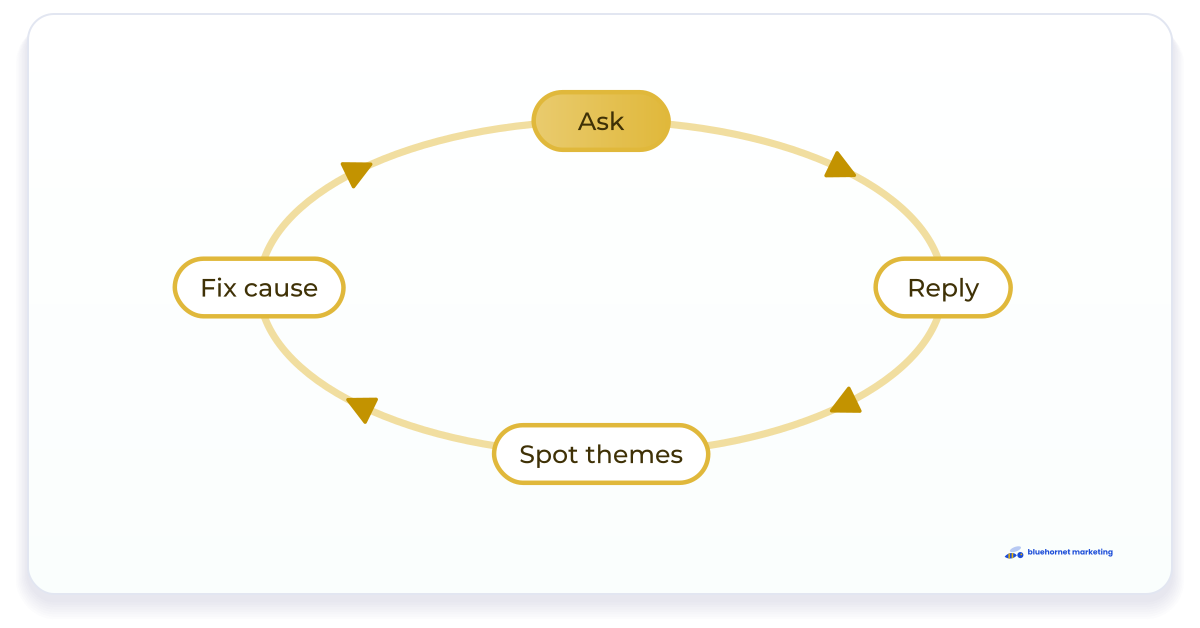
Volume is the best defense. A steady flow of honest reviews pushes old complaints down and gives new patients a fair picture. Ask at the right moment, such as after a successful visit, and make it one tap. Never offer gifts for reviews, and never filter who gets asked, because both break platform rules. Reply to every review with a short, generic message that invites the person to call your office.
How to Build a Review Routine
- Choose one or two platforms that matter most for your specialty.
- Send a short review request by text or email after each visit, to every patient.
- Write approved reply templates that never confirm patient status.
- Assign one person to answer reviews within two business days.
- Track review count and average rating monthly.
Tools for Reviews
Review request tools can automate the ask and collect feedback privately first. Check that any tool sending messages to patients is covered by a business associate agreement.
Local Search Across Many Locations
Most healthcare searches are local, and the map results at the top of Google bring in many of the patients who call. Groups with several locations run into duplicate listings, wrong phone numbers, doctors who moved and pages that read like copies of each other. Search engines and patients both lose trust when basic details disagree.
Start with accuracy, then add depth. Each location needs a verified profile, correct hours and services, and its own page with local details, the providers who work there and parking or access notes. Provider pages matter too, because many patients search by doctor name. If you plan to scale this across many sites, a repeatable template saves weeks, a point I cover in more detail in my healthcare marketing tips.
How to Clean Up Local Presence
- Export every listing for every location and doctor.
- Fix names, addresses and phone numbers so they match everywhere.
- Claim duplicates and merge or remove them.
- Build one page per location and one per provider.
- Add photos, services and booking links to each profile.
Supporting Tools
A listings manager keeps data consistent across directories, and Google Business Profile handles the rest. A simple spreadsheet with one row per location is enough to start.
Slow Compliance Approvals
Every claim in healthcare marketing needs a check: clinical accuracy, privacy, advertising rules and brand. When each campaign goes through a fresh review, launches slip by weeks, and the team learns to avoid anything ambitious. I have seen simple seasonal campaigns take longer to approve than to build.
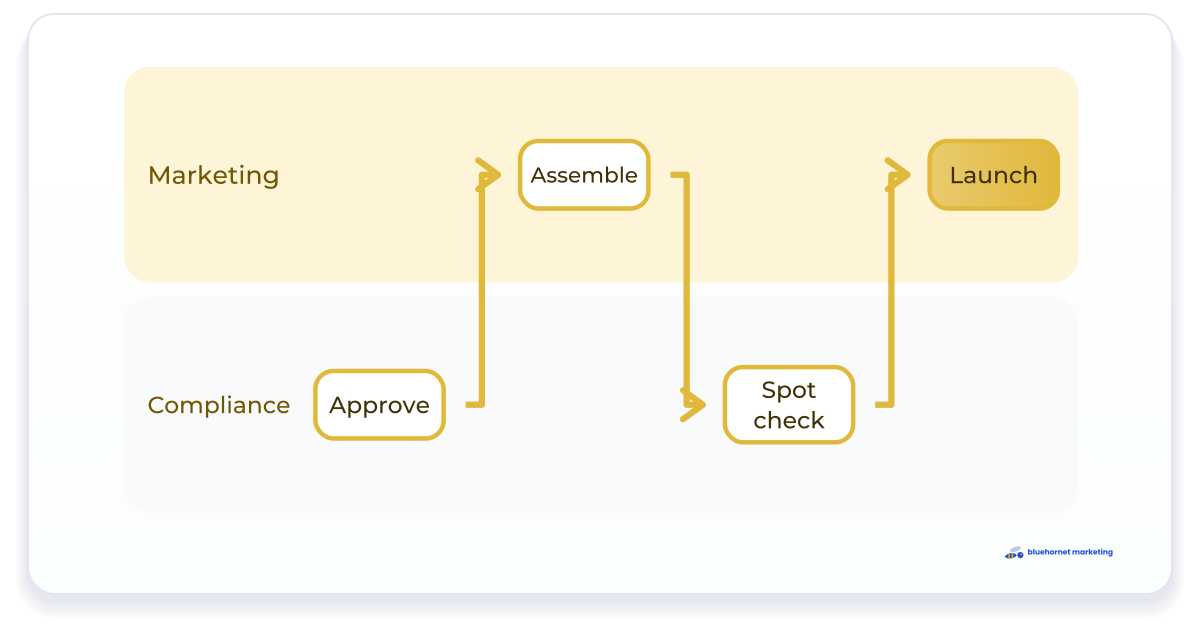
The solution is to approve building blocks instead of finished campaigns. Pre-approved claims, disclaimers, image rules and message templates let your team assemble new campaigns from safe parts. Reviewers then check only what is new. Put the approval path in writing, with owners and deadlines, and you remove most of the waiting.
How to Speed Up Approvals
- Collect the claims and phrases you use most and get them approved once.
- Write clear rules for imagery, testimonials and before-and-after content.
- Create campaign templates that use approved parts.
- Set a review deadline of two business days with a named backup reviewer.
- Log every approval, so you can show your process to auditors.
What Helps
A shared project tool with approval stages keeps reviews visible, which my operations projects rely on. A shared claims library in a document or database keeps wording consistent.
Proving Which Marketing Brings Patients
Most new patients still book by phone, and many calls are never connected to a source. Meanwhile privacy limits reduce the tracking you can use. The result is dashboards full of clicks and no clear link to booked appointments, which makes it hard to defend your budget.
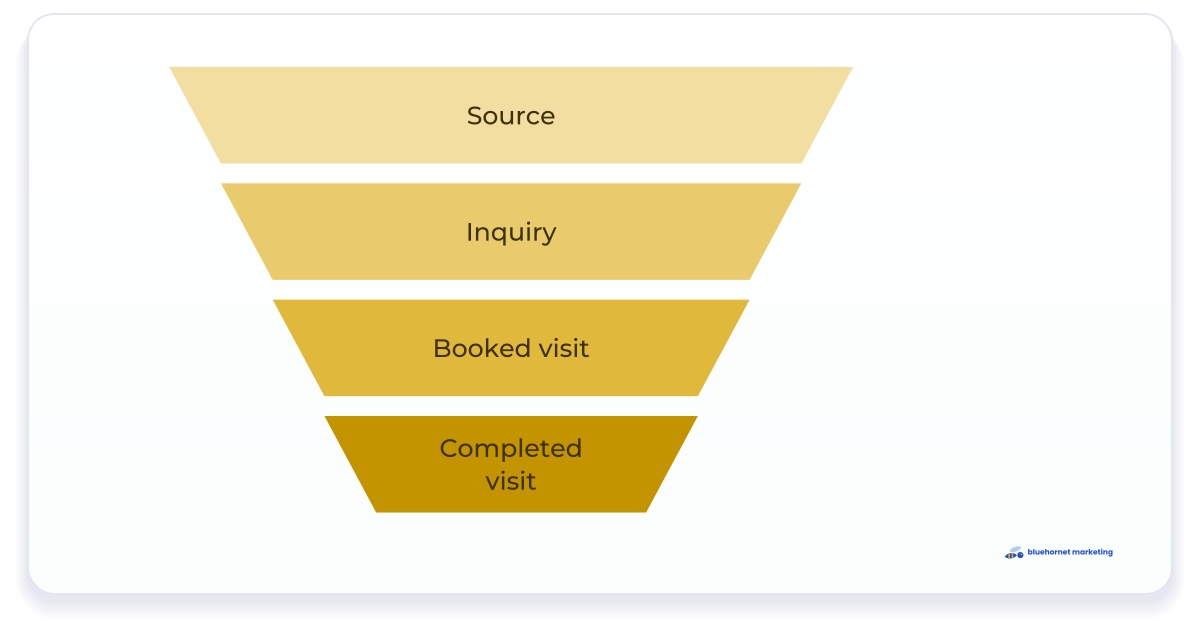
Aim for a simple, honest chain: source, inquiry, booked visit. Call tracking with dynamic numbers gives you the source of each call. Asking one question at booking, such as how the patient found you, fills many gaps. Compare channels by cost per booked patient, not cost per click, and accept that the number will be approximate.
How to Track What Matters
- Put unique tracking numbers on your website, ads and listings.
- Ask every new patient how they found you and record it in your system.
- Mark booked appointments, not just calls, as the conversion.
- Review cost per booked patient by channel each month.
- Avoid placing tracking on pages behind login or booking.
Tools to Consider
Call tracking, a practice management system that records referral source and a simple spreadsheet cover most small practices. Larger groups need a CRM that joins calls, forms and appointments.
Accurate Content at the Right Reading Level
Health content falls under the strictest quality checks search engines apply. Articles written by marketers without clinical review get outranked by hospitals, government sites and established publishers. Content also has to be readable: patients under stress skim, and dense medical wording sends them away.
Pair a writer with a clinician. The writer handles structure and plain language, and the clinician confirms accuracy and signs off by name. Show reviewer credentials, update dates and sources on every page. Aim for short sentences and clear headings, and write for your real patients, not for other doctors.
How to Raise Your Content Standard
- Assign a clinical reviewer to every medical page.
- Show the reviewer name, credentials and last review date.
- Cite recognized sources such as government health agencies.
- Write at a reading level a general audience can follow.
- Refresh high-traffic pages at least once a year.
Helpful Tools
A readability checker shows where sentences get too long, and a content calendar assigns clinical review dates. A shared style guide keeps terminology consistent across authors.
How to Decide Which Challenge to Fix First
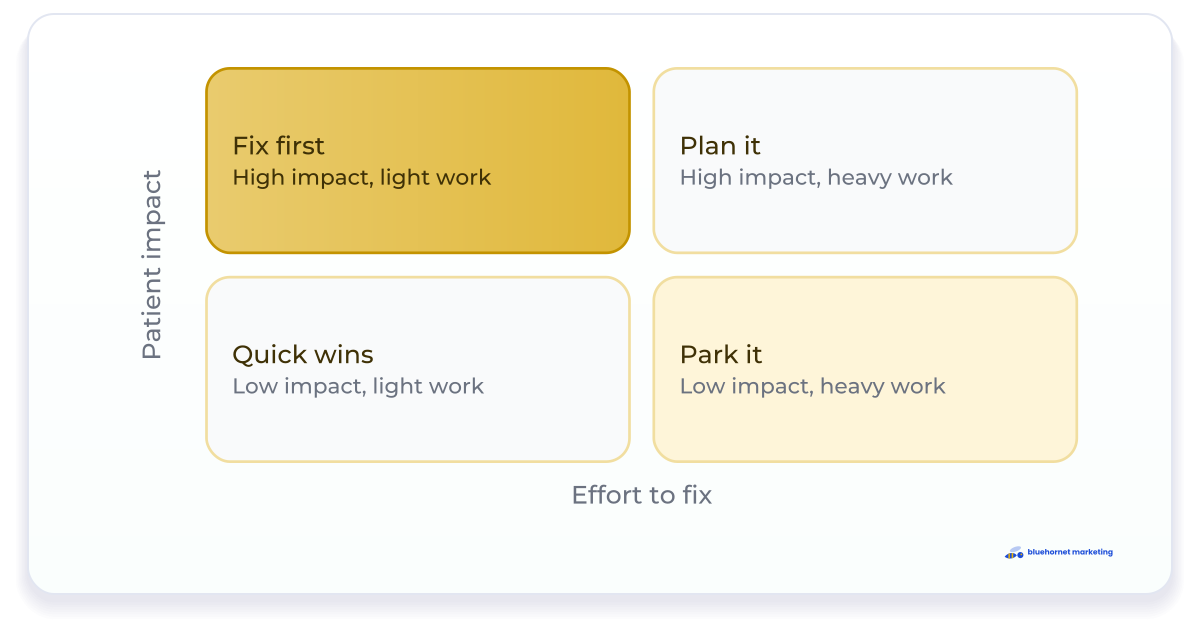
You cannot fix all seven at once, and you should not try. I rank them using two questions: what could harm patients or your license if it stays broken, and what is cheap to fix with visible results?
- Privacy and tracking come first, because the risk is highest and the audit takes days, not months.
- Approvals and reporting come next, because they free up time and budget.
- Reviews, local search and content compound over months, so start the routines early.
A short list of up-to-date healthcare marketing trends helps you see which challenges are getting bigger, and my ranked healthcare marketing tools list shows which software handles privacy requirements sensibly.
Sources
- HHS: Marketing under the HIPAA Privacy Rule
- HHS: Use of online tracking technologies by HIPAA covered entities
- FTC: Complying with the Health Breach Notification Rule
Questions About Healthcare Marketing Challenges
What Is the Biggest Challenge in Healthcare Marketing?
Privacy is usually the biggest, because it limits targeting, tracking and email and carries the highest risk if you get it wrong. Start by auditing your website tags and vendors, then build everything else on a setup your compliance team has approved.
Can Healthcare Providers Use Retargeting Ads?
Often with strict limits, and the rules depend on your pages, your vendors and the platform. Retargeting people who visited pages tied to appointments or conditions can create privacy problems. Ask your counsel for the current position before you run it, and prefer contextual targeting.
How Should I Respond to Negative Patient Reviews?
Reply briefly and generically, without confirming the person was a patient or discussing details. Thank them for the feedback, state that you take concerns seriously and invite them to call your office. Resolve the actual issue privately and offline.
How Do I Measure Marketing Results When Most Patients Book by Phone?
Use call tracking numbers on your website, ads and listings, and ask each new patient how they found you. Record the answer in your practice system. Then compare channels by cost per booked patient, accepting that the figures are estimates.
Is Healthcare Content Really Held to a Higher Standard by Search Engines?
Yes. Search engines treat health information as a high-stakes topic and favor pages with clear authorship, medical review and reliable sources. Show reviewer credentials, update dates and citations on every medical page to compete with larger publishers.
How Can Small Practices Compete with Large Health Systems?
Focus on a narrow specialty and a tight local area. Strong local profiles, detailed provider pages, fast follow-up and a steady review routine beat the broad budgets of large systems in the searches that matter to your practice.
Do I Need a Marketing Agency That Specializes in Healthcare?
Experience with privacy rules and approval workflows matters more than the label. Ask any partner how they handle tracking, business associate agreements and clinical review, and ask for examples in your specialty before you sign.
Disclaimer: This article is general information, not legal advice. Privacy, advertising and health regulations change and differ by situation, so check current requirements with qualified counsel before you act.
Was this guide helpful?
Thanks for your feedback.
Warren Albright
Warren leads the Blue Hornet editorial team and works with the consultants to turn real client projects into practical guides on content, paid media, marketing automation, CRM and analytics. He comes from content and demand generation work, edits every article before a working marketing consultant reviews it, and draws on strategies, channel plans and audits from client projects to keep the advice grounded in real numbers.