Quick Summary
- Patients increasingly ask AI tools and maps first, so your reviews, profile and website content do more work than your ads.
- Missed calls are a marketing problem: text-back and AI phone tools turn them into booked appointments.
- Text messages now carry reminders, recall and review requests, and they cost a fraction of paid acquisition.
- Privacy rules around tracking tools are still moving, so ask your compliance advisor before you add new tags.
Dental marketing has changed less in ten years than most agencies admit, and the parts that did change moved fast. Patients ask a chatbot where to go, read reviews on a map and expect a text reply within minutes. If you are planning your next twelve months, the choices below are where I would look first, and they sit at the center of the dental marketing consulting work I do with practices.
I have tried to separate what is measured from what I only expect. Where a statistic exists, I cite the survey and say who ran it. Where it does not, I give you my reading from client work and say so.
| Trend | What changes for you | First move |
|---|---|---|
| 1. AI answers | Patients get a shortlist before they visit any website | Complete profile and answer-style service pages |
| 2. Maps and reviews | Your rating and review volume decide who gets the call | Ask every patient, reply to every review |
| 3. AI phone tools | Missed calls can be recovered automatically | Missed-call text-back |
| 4. Text recall | Existing patients return without ad spend | Overdue-patient texting list |
| 5. Short video | Faces and offices build trust before the first visit | Doctor and team intro clips |
| 6. Price clarity | Patients compare cost and financing early | Plain pricing pages and payment options |
| 7. Privacy rules | Tracking tools carry legal risk on some pages | Tag audit with your advisor |
| 8. First-party data | Your own patient list matters more than rented audiences | Clean list, consent and segments |
1. Patients Ask AI Before They Search
A KFF poll run in June 2024 found that 17% of U.S. adults use AI chatbots at least once a month for health information, and 25% of adults under 30 do. A later survey by Wheelhouse Digital Marketing Group, covering 1,099 Americans, reported that 38% use AI for health information at least weekly. The two surveys used different samples and wording, so I would not compare the numbers directly. Both point in the same direction.
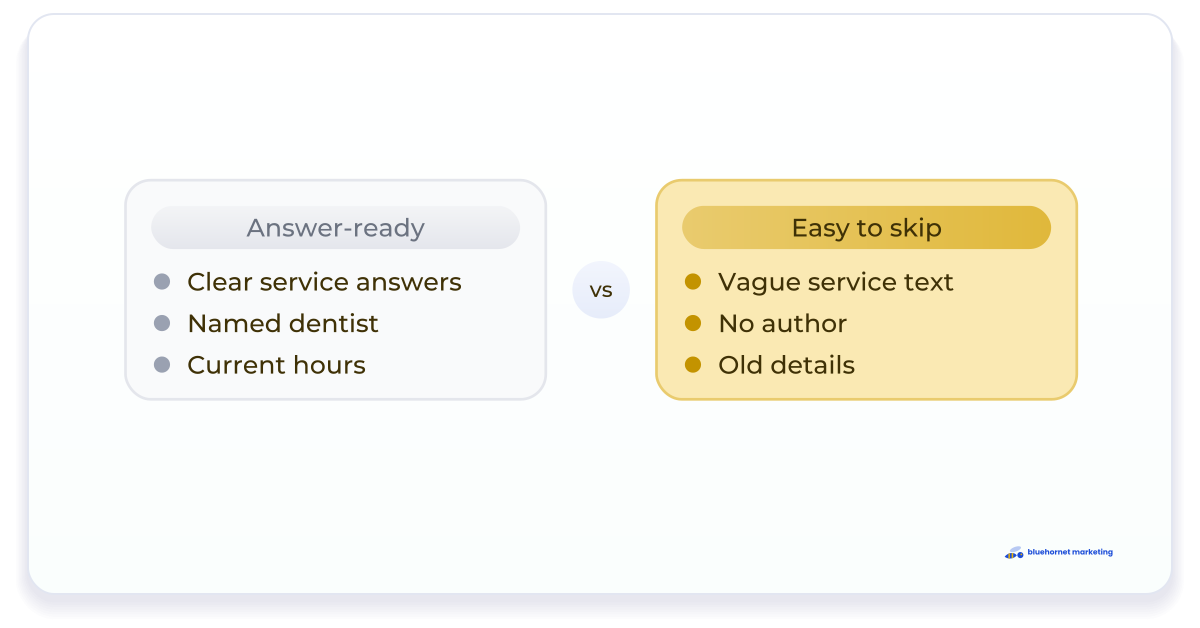
Trust is the other half. In the KFF poll, 56% of adults were not confident that AI chatbots give accurate health information. Patients will use AI to shortlist and still check a source they trust before booking, which is your reviews and your website. For you, that means plain-language service pages that answer the questions patients type, written so a tool can quote them. Start with your five most profitable services.
2. Maps and Reviews Decide Who Gets the Call
For most local dental searches, the first thing a patient sees is a map pack with ratings, photos and a call button. In my client work, practices with fewer reviews than the competitor next door lose calls even when their website is better. The Wheelhouse survey adds a related signal: it projects frequent use of search for health information to fall by 13% by 2028, which leaves more of the decision to maps and direct recommendations.
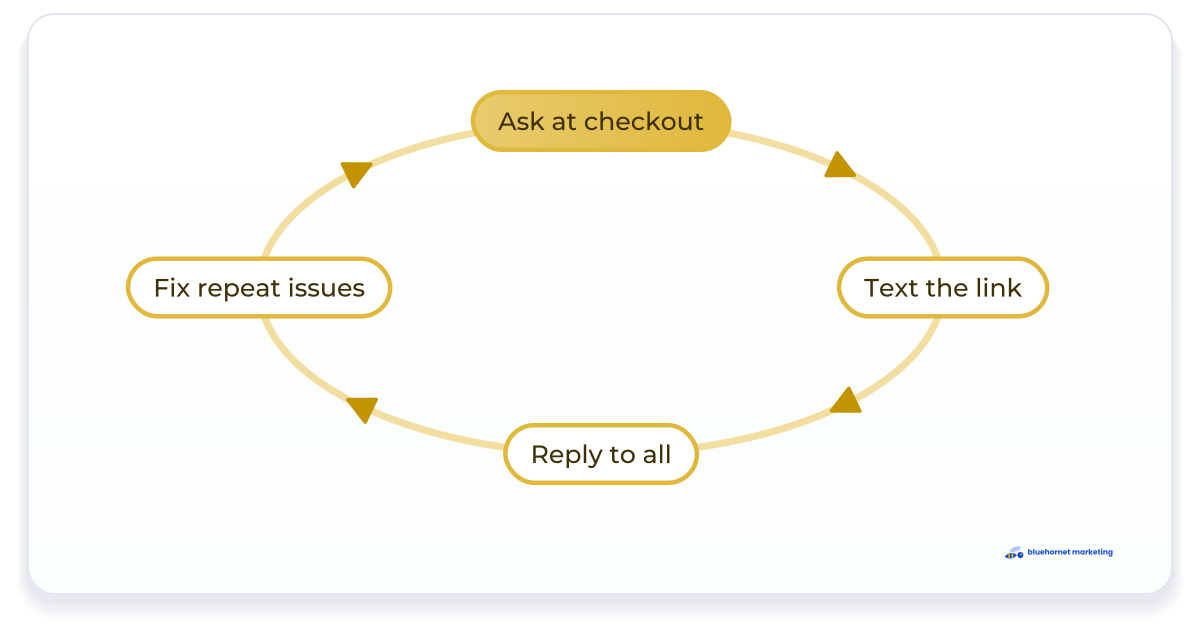
The routine matters more than the tool. Ask each patient at checkout, send a text after the visit, reply to every review within two days and answer the questions section on your profile. My ranking of dental marketing tools compares software that automates the ask. Never offer rewards for reviews, because it breaks Google’s rules and erodes trust.
3. AI Phone Tools Recover Missed Calls
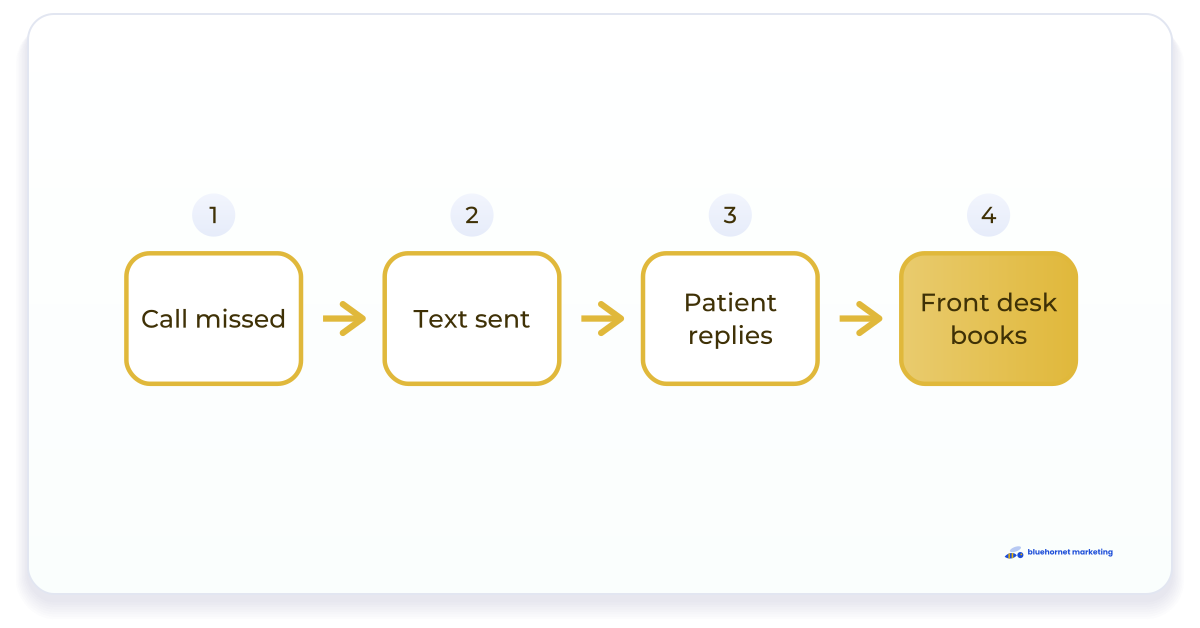
A caller who reaches voicemail often calls the next practice. AI receptionists and missed-call text-back tools answer after hours, book simple appointments and send a text to anyone you could not pick up. Weave, for example, bundles texting with its phone system, and the G2 category listing I checked shows a separate AI product, TrueLark, rated 4.4 on 14 reviews. I would treat that small sample with care.
The technology works best on routine requests: hours, new patient bookings, cleanings. It works worst on emergencies, insurance disputes and an anxious patient who wants a person. Set clear handoff rules, and read a sample of transcripts every week for the first month. Calls that go unanswered are a major leak in any return calculation, which I walk through in my dental marketing ROI guide.
4. Text Messages Carry Recall and Reactivation
In my client work, texts get a faster reply than email. Practices use texts for reminders, forms, review requests and recall of patients who are overdue. A benchmark article by a dental marketing platform executive puts referrals at $0 to $50 per new patient and paid channels at $150 or more, and while that article is an estimate, the gap explains why reactivation is attractive.
Start with a list of patients who have not visited in 12 to 24 months, and send a short, personal text with a booking link. Keep patient health details out of the message. Allow people to reply STOP, and keep your consent records. Over a quarter, a small recall program often fills more chairs than the same time spent on ads. It is also the first project I suggest in a dental marketing strategy.
5. Short Video Builds Trust Before the Visit
Many patients are anxious about a first appointment. A 30-second clip of the dentist saying hello, a tour of the operatory and a team photo lower that barrier before anyone picks up the phone. Mayo Clinic made this move early in healthcare, when it invited new patients to ask a doctor questions through video online.
You do not need studio production. A phone, natural light and a plain script are enough, and a clip that feels honest beats one that looks polished. Post the clips on your website, your profile and the social channel your patients use. Aim for one short clip a week for a month and see which ones people watch.
6. Patients Expect Price Clarity and Financing
Patients compare costs before they call, especially for elective work such as aligners and implants. Practices that publish a price range, explain what insurance usually covers and show monthly payment options remove a barrier that others leave in place. I cannot cite a survey for this one, and my reading comes from watching which service pages convert in client accounts.
You do not have to publish a fixed price for everything. A range with a short explanation of what changes it is enough, and a financing section that links to the application removes one more step. Compliance rules for financing language vary by state and by lender, so have the wording checked. Better yet, link to the lender’s own page for details.
7. Privacy Rules Reach Your Tracking Tags
HHS issued guidance on online tracking technologies in 2022, and a federal court in Texas later vacated part of it. According to the HIPAA Journal, the vacated part covered the position that HIPAA applies when a tool links a visitor’s IP address to a visit to a public page about a health condition or provider. The rest of the guidance remains, and tracking tools still may not be used on authenticated pages such as patient portals unless HIPAA permits the disclosure. HHS withdrew its appeal, so the ruling stands for now.
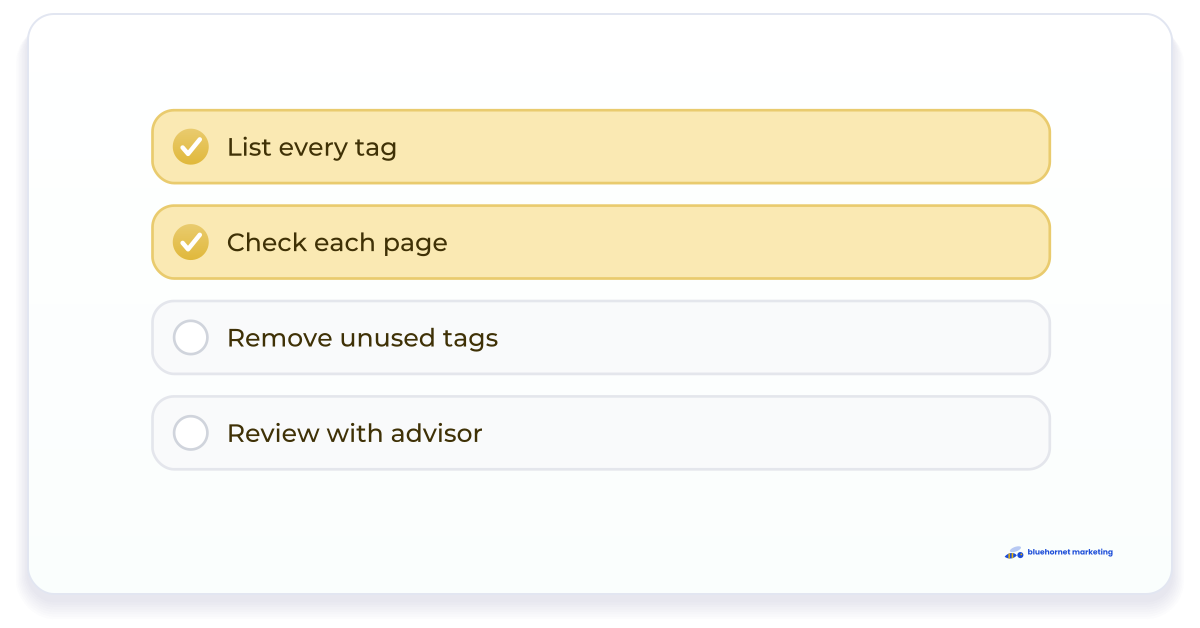
For a dental practice, the practical step is a tag audit. List every pixel and script on your site and booking pages, remove what you do not use and keep tracking tags off logged-in areas. I am not a lawyer, and rules can change, so confirm the current status with your advisor. A short checklist helps you stay on top of the changes.
8. Your Own Patient List Becomes the Main Asset
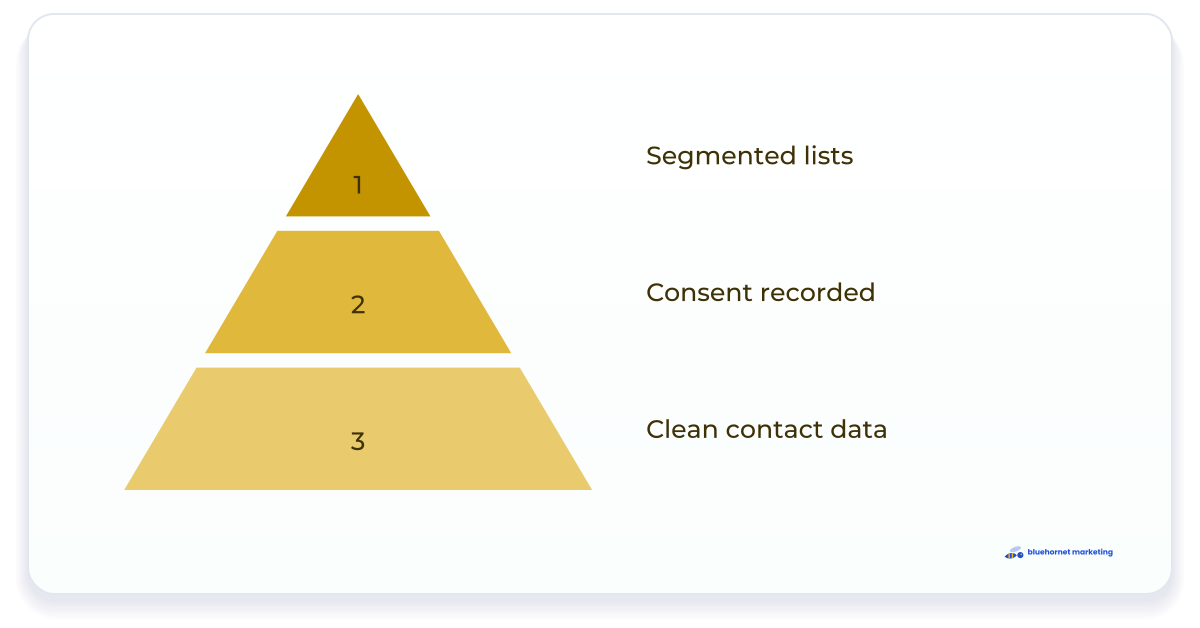
Ad costs keep rising, and targeting options keep shrinking as platforms limit what advertisers can see. A clean list of your own patients, with consent and a few segments, is the one audience nobody can take away. You can reach it by text or email for recall, reviews, referral requests and new service announcements.
Build it the dull way. Check that phone numbers and consent flags are correct in your practice software, split the list by last visit and treatment type, and write three short messages for each segment. It is not exciting work, and in my experience it pays back faster than a new website. If you want help prioritizing, my dental marketing tips list the order that has worked for client practices.
How to Choose Which Trends to Act On
You cannot do all eight at once, and you should not try. Start with the ones that close leaks you already have: reviews, call handling and recall. Then add the work that builds demand, such as answer-style service pages and video. Leave financing content and list segmentation for after your schedule shows you have room for more patients.
Ask three questions of each trend before you spend on it. Does it reach patients who are already looking for a dentist? Can your team handle the extra volume? Will you be able to measure the result within a quarter? If the answer to any of them is no, put it on next year’s list.
Questions About Dental Marketing Trends
What Is the Biggest Dental Marketing Trend for 2026?
The shift from search results to AI answers and maps is the one I would plan around first. Patients ask AI tools and Google Maps for a dentist, and both pull from your reviews, your profile and your website. A complete profile and a steady stream of reviews serve both.
Is SEO Still Worth It for Dental Practices?
Yes, with a changed goal. Local rankings and Maps visibility still bring patients, and content that answers real questions is what AI tools tend to cite. Expect a six-month build and judge it on booked appointments, not only on rankings.
Should My Practice Use an AI Receptionist?
It can help when calls go unanswered after hours or at lunch. Start with a missed-call text-back and a script for common questions, and keep a person in charge of emergencies, insurance questions and anyone who sounds upset. Test it for a month before you roll it out.
How Many Google Reviews Does a Dental Practice Need?
I know of no magic number. What matters is that your count and rating match or beat the practices around you, and that new reviews arrive every month. Ask every patient, reply to every review and avoid anything that looks like buying or gating reviews.
Are Social Media Ads Still Worth It for Dentists?
They work for elective services such as aligners and whitening where you create demand, and less well for urgent needs. Treat them as a way to reach people who are not searching yet, and measure cost per booked consult, not clicks.
What Privacy Rules Affect Dental Marketing?
HIPAA applies to patient information, including some data collected through tracking tools on logged-in pages such as patient portals. A federal court has partly vacated the HHS guidance on public pages, and the situation can change, so check the current status with your compliance advisor before you add tags.
How Should a Small Practice Prioritize These Trends?
Fix the basics first: profile, reviews, call handling and recall texts. Those four cover trends 2, 3 and 4 below and cost little. Add video, financing content and AI search work once the schedule shows you can handle more patients.
Sources
- KFF Health Misinformation Tracking Poll: Artificial Intelligence and Health Information
- How Americans Search for Health Information in 2026, Wheelhouse Digital Marketing Group
- OCR Drops Appeal in AHA Tracking Technology Case, HIPAA Journal
- Dental Marketing Benchmarks 2026, Pete Johnson
- Mayo Clinic Leads Social Conversations About Healthcare, MIT Sloan Management Review
Disclaimer: This article is for general information only and isn’t legal, financial or tax advice. Treat figures as estimates from typical work and confirm details with your providers before you act.
Was this guide helpful?
Thanks for your feedback.
Warren Albright
Warren leads the Blue Hornet editorial team and works with the consultants to turn real client projects into practical guides on content, paid media, marketing automation, CRM and analytics. He comes from content and demand generation work, edits every article before a working marketing consultant reviews it, and draws on strategies, channel plans and audits from client projects to keep the advice grounded in real numbers.