Quick Summary
- Your Google Business Profile and reviews decide many first impressions, so fix them before you buy ads.
- Write one page for each treatment you want more of, and make calling or booking effortless.
- A fast, friendly answer to every call turns marketing into booked visits.
- Measure new patients and cost per new patient, then cut one thing every month.
Most dental practices do not need more marketing. They need the basics done well and measured honestly. In my dental marketing consulting work, the biggest gains usually come from fixing a profile, asking for reviews every week and answering the phone faster, long before anyone buys an ad.
Below are nine tips in the order I would tackle them. For each, I list what to do and what to avoid, so you can check your own practice against it in a few minutes.
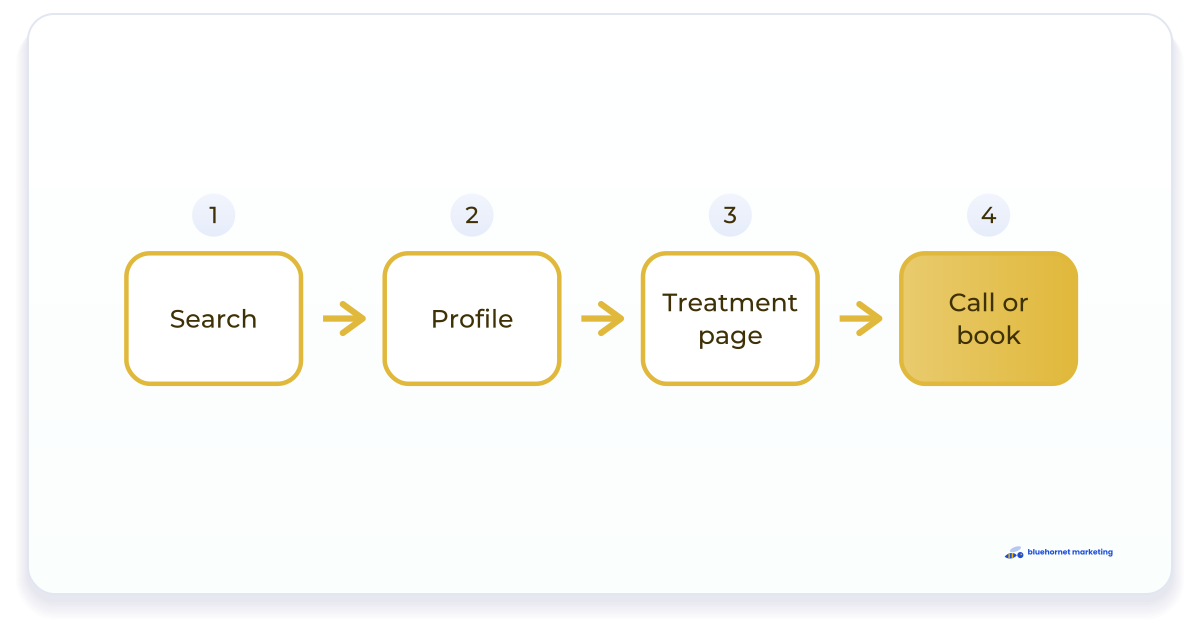
Nine Moves That Bring More New Patients
Start at the top and work down. The early tips cost almost nothing, and later ones need budget and tracking in place first.
1. Claim and Complete Your Google Business Profile
When someone searches for a dentist nearby, your Google Business Profile often appears before your website. Make sure it lists the right categories, services, hours, photos and a booking or call link. Add the treatments you want more of as services, and use the description to say what makes the practice different. Check it monthly, because patients and Google both change things.
Do This
Fill every field, add real photos of the team and the office, and answer questions that appear on the profile.
Avoid This
Leave old hours, a wrong phone number or a generic description in place. A wrong number loses patients directly.
2. Build Reviews as a Weekly Habit
Patients compare practices by reviews before they call, so a steady flow of recent ones matters more than a big pile from years ago. Ask at the moment a patient is happiest, such as at checkout after a good visit, and make it easy with a short link. Reply to every review, and keep replies free of any patient details.
Do This
Ask every week, send a direct link and reply to all reviews in a calm, short tone.
Avoid This
Offer rewards for reviews, filter who you ask or argue with a reviewer in public. Platform rules and patient trust both suffer.
3. Write a Page for Each Treatment You Want More Of
A single services page rarely ranks or convinces. Create one page per treatment that matters to the practice, such as implants, clear aligners or emergency visits. Explain who it suits, what the visit involves, how long it takes and what questions patients usually ask. Add your own photos and a clear call to action.
Do This
Write plainly, answer real patient questions and link each page to booking.
Avoid This
Copy text from other sites or fill pages with jargon. Patients leave, and search engines notice copied content.
4. Make Calling and Booking Effortless
Many dental searches happen on a phone, and a patient with a toothache will not hunt for a form. Put a tap-to-call button at the top of every page and offer a short booking form. Test both on your own phone at least once a month, and test it after every website update.
Do This
Keep the phone number and booking link visible on every screen size.
Avoid This
Hide contact details in a menu or require long forms for a first enquiry.
5. Answer Every Call and Enquiry Fast
Marketing only works if the call becomes a booked visit. Patients often try two or three practices in a row, and the first to answer usually wins. Track missed calls, set a short target for replying to web forms and give the front desk a simple script that moves a caller toward a booking.
Do This
Review missed calls weekly and follow up on forms within the hour of opening.
Avoid This
Send marketing leads to voicemail during lunch and busy hours without a call-back plan.
6. Track Where New Patients Come From
You cannot improve what you cannot see. Use call tracking numbers and tagged links, and add a question to your new patient form: how did you hear about us. Compare the answers with your tracking monthly, since they often differ in useful ways. Then count new patients and cost per new patient, not clicks.
Do This
Report new patients by source every month and share it with the team.
Avoid This
Judge marketing by website visits or likes alone.
7. Start With Search Ads for Your Highest-Value Treatments
Paid search puts you in front of patients who are looking right now. Start small, with a handful of treatments you want more of, a tight area around the practice and a daily budget you can afford to test. Send each ad to the matching treatment page, and track calls. My ranking of dental marketing tools covers software that helps with tracking and calls.
Do This
Target specific treatments and nearby areas, and use call tracking.
Avoid This
Run broad ads across a whole region and send everyone to the homepage.
8. Use Email and Text Reminders to Keep Patients Coming Back
Recalls and reminders are the cheapest marketing a practice has. Send friendly messages for hygiene visits, post-treatment check-ins and long-overdue patients. Keep a short, plain tone, and respect consent rules for texts and email. Even a small reactivation message to patients who have not visited in a while often fills several appointments.
Do This
Send simple recall messages on a schedule and track bookings from each.
Avoid This
Send frequent promotions to your whole list or ignore opt-out requests.
9. Review the Numbers Every Month and Cut Something
A marketing plan needs a monthly check. Look at new patients, cost per new patient, calls missed and reviews gained. Decide what to keep, change and stop. Stopping is the hard part, but it frees money for what works. If you want the bigger picture, my guide to dental marketing strategy explains how to set priorities.
Do This
Write down one change after each review and check its effect next month.
Avoid This
Add new tactics every month without removing any.
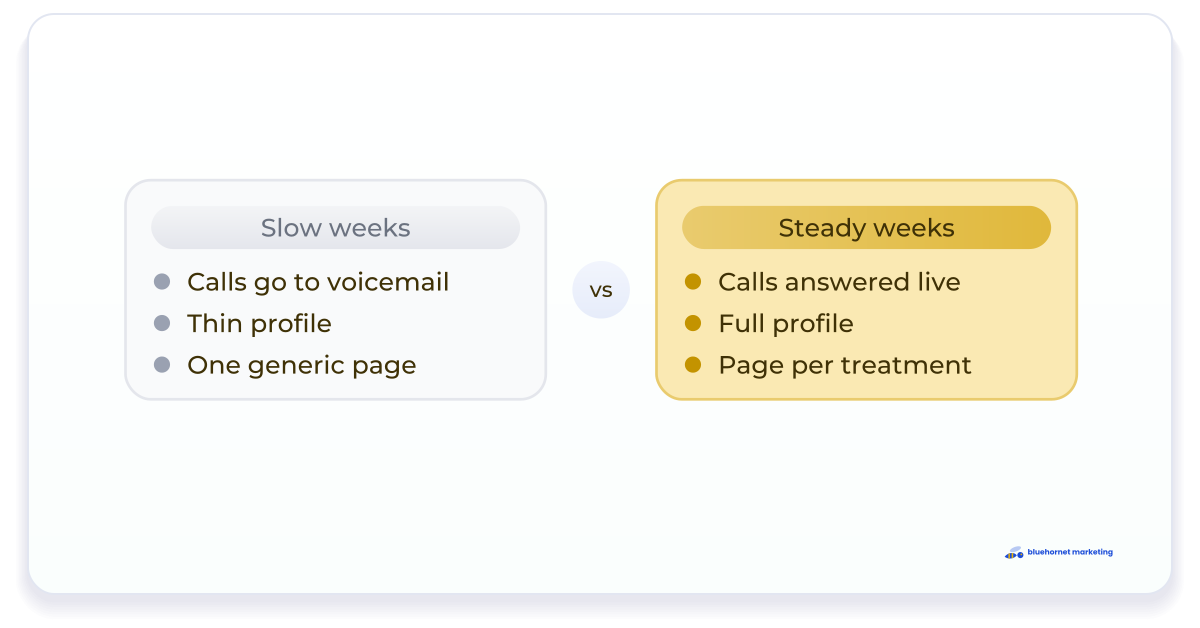
Common Mistakes Behind Slow Weeks
Before adding anything, check whether one of these is quietly costing you patients. In my audits, at least one of them shows up in most practices.
- The phone rings out during lunch or at the start of the day, and nobody calls back.
- The website looks fine on a desktop but the booking form fails on a phone.
- The newest review is eight months old, so the profile looks inactive.
- Ads send people to a page that does not mention the treatment they searched for.
- Nobody knows how many new patients came from marketing last quarter.
Each of these can be fixed in a week. Start with the one that loses patients directly, which is usually the phone, and work down the list. A few small fixes often lift calls more than a new campaign would.
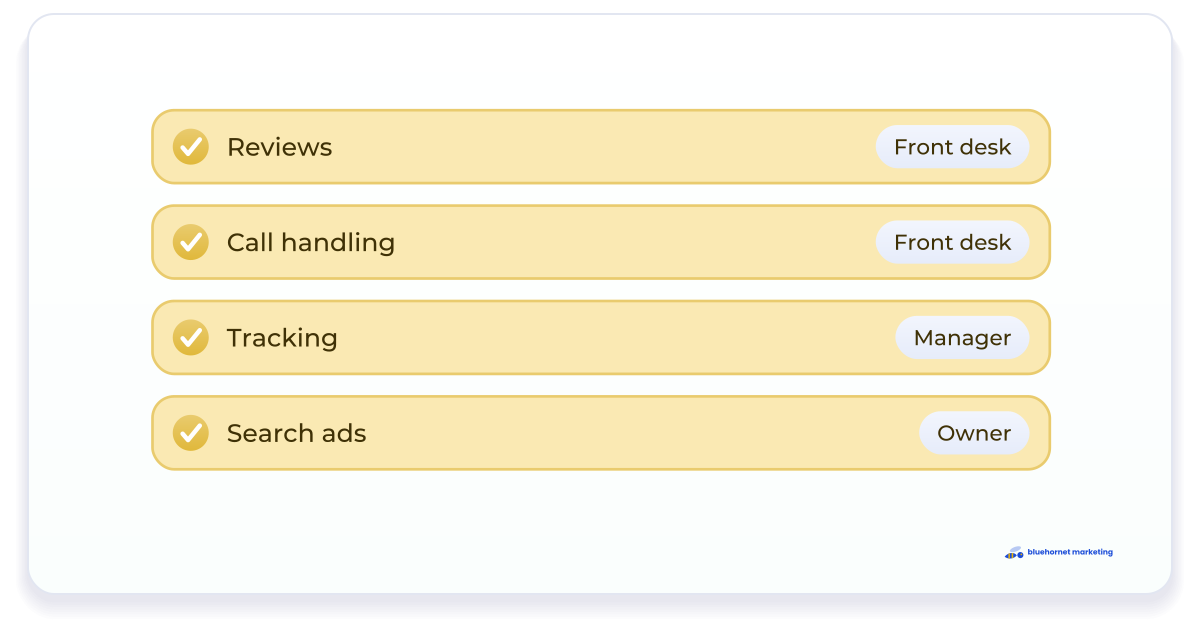
Who Should Own Each Tip
Tips fail when they belong to nobody. Give each one a named owner and a regular slot. The practice manager can own call handling and reviews, the dentist can own treatment page accuracy, and an outside helper or the manager can own tracking and ads. A weekly 15-minute check keeps all of it moving without turning marketing into a second job.
If you are the only person doing marketing, pick three tips and ignore the rest for now. Doing three things consistently beats doing nine things for a month and then stopping.
How Much Time This Takes Each Week
For a typical practice, I budget about an hour a week for reviews and the profile, an hour for checking calls and forms and half an hour for the numbers. Treatment pages and ads need more time at the start, then settle into a monthly check. Put the slots in the calendar as recurring appointments with yourself or the practice manager, because tasks without a time rarely happen.
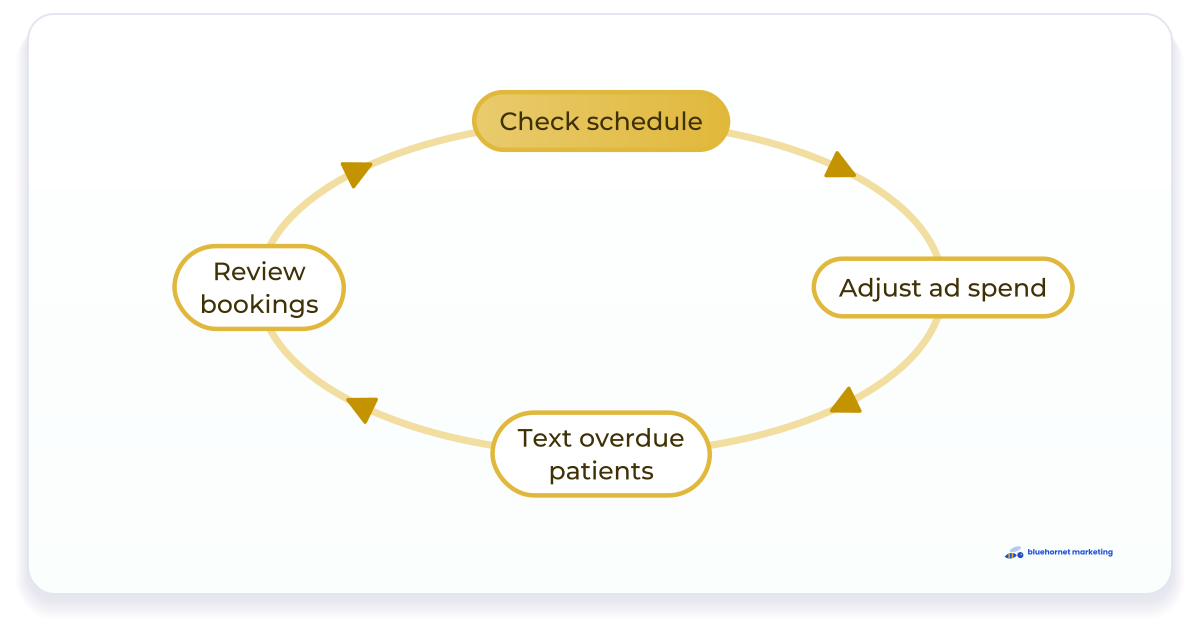
Plan Around Your Busy and Quiet Weeks
Most practices have predictable quiet spells, such as the weeks after the holidays or the middle of summer. Plan a recall message or a targeted ad for treatments with spare capacity just before those weeks, so the schedule fills before the gap appears. Keep a simple note of last year’s slow weeks and check it each quarter. It costs nothing and makes your marketing feel planned rather than reactive.
Equally, ease off ads when the schedule is full. Spending to attract patients you cannot see for three weeks only creates frustration at the front desk and wastes budget you could save for a quieter month.
Which Tip to Start With
If you can only do three things this month, pick the Google Business Profile, the review routine and call handling. They are cheap, they affect every other channel and they show results quickly. Ads and email reminders come after, once you can track what they bring.
A longer view helps too. My overview of dental marketing ROI shows how to work out what a new patient is worth, and the dental marketing trends guide covers what is changing in how patients search and choose.
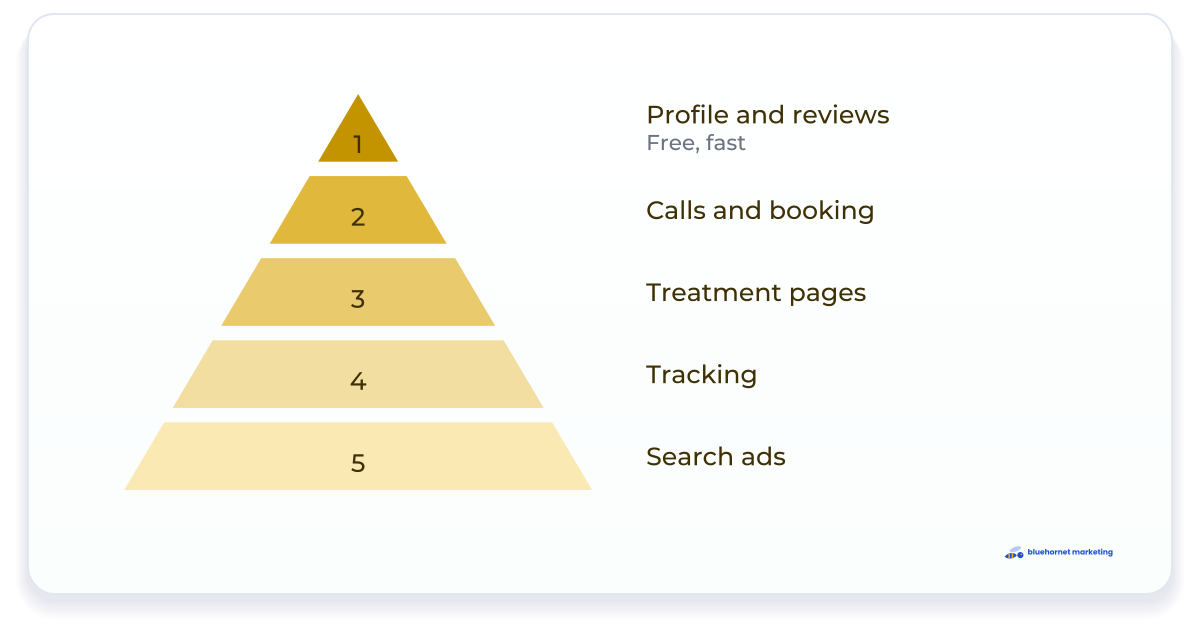
| Tip | Effort | Cost | Speed of result |
|---|---|---|---|
| Google Business Profile | Low | Free | Weeks |
| Review routine | Low, ongoing | Free | Weeks to months |
| Treatment pages | Medium | Writing time | Months |
| Calling and booking | Low | Low | Immediate |
| Call handling | Low | Training time | Immediate |
| Tracking | Medium | Low to medium | Pays off over time |
| Search ads | Medium | Ad budget | Days to weeks |
| Email and text reminders | Low | Low | Weeks |
| Monthly review | Low | Free | Compounds |
Questions About Dental Marketing Tips
How Much Should a Dental Practice Spend on Marketing?
There is no single figure. It depends on your goals, your capacity and what a new patient is worth to you. I suggest you start from the number of new patients you want, estimate the value of each and work back to a budget you can test for three months before changing it.
What Is the Best Marketing for a New Dental Practice?
Start with the basics: a complete Google Business Profile, a clear website with treatment pages and a review routine. Add search ads once you know what a new patient is worth. These steps reach people who already look for a dentist nearby.
Does a Dental Practice Need Social Media?
It can help with trust and recruitment, but it rarely replaces search and reviews for new patients. If you have limited time, put it after your profile, website and reviews, and post only what you can keep up.
How Long Does Dental SEO Take to Work?
Local search improvements often show within a few months, while competitive treatment pages can take longer. Ads bring calls sooner. Your plan should state what to expect from each piece, so you can judge progress fairly.
Are Online Reviews Really Important for Dentists?
Yes. Patients check reviews before they call, so recency, volume and your replies shape the decision. A routine to ask every week is one of the cheapest ways to improve conversion from search.
Should I Hire an Agency or a Consultant?
A consultant helps when you need a plan, an audit or a second opinion, and an agency helps when you need hands to run campaigns. Many practices use a consultant to set the plan and brief an agency or the team. Ask who owns the accounts either way.
How Do I Measure Dental Marketing Success?
Track new patients, cost per new patient, calls answered and reviews gained, by source. Clicks and impressions only matter if they lead to booked visits. Ask new patients how they found you, and compare the answers with your tracking.
Disclaimer: This article is for general information only and isn’t legal, financial or tax advice. Treat figures as estimates from typical work and confirm details with your providers before you act.
Was this guide helpful?
Thanks for your feedback.
Warren Albright
Warren leads the Blue Hornet editorial team and works with the consultants to turn real client projects into practical guides on content, paid media, marketing automation, CRM and analytics. He comes from content and demand generation work, edits every article before a working marketing consultant reviews it, and draws on strategies, channel plans and audits from client projects to keep the advice grounded in real numbers.