Quick Summary
- Buyers research longer before they talk to you, so your site, reviews and content now do much of the selling.
- AI answers, short video and review signals are changing which aviation brands get seen first.
- First-party data and a clean CRM matter more as tracking gets harder.
- Pick two or three trends that match your buyers instead of chasing all twelve.
Aviation marketing used to run on trade shows, referrals and a good reputation at the airfield. Those still matter, but the first impression now happens on a phone, often at night, long before anyone calls. That change touches every segment I see in aviation marketing consulting, from charter operators to MRO shops.
Below are twelve trends I am watching in 2026. For each one you get the evidence, what I see in client work and a practical response. Where I cite a number, the source is linked, and where I give a range it comes from my own projects.
The 12 Trends at a Glance
| Trend | Who feels it most | First move |
|---|---|---|
| 1. AI answers shape research | All segments | State facts clearly on key pages |
| 2. Short video for aircraft and training | Sellers, schools, charter | Film one walkaround or day-in-the-life |
| 3. More students, more competition | Flight schools | Sharpen what makes your school different |
| 4. Reviews as a booking signal | Charter, schools, FBOs | Ask every customer, same week |
| 5. Buyers research alone first | B2B and charter | Publish what you used to share on calls |
| 6. Clearer pricing and instant quotes | Charter, fractional | Show price logic and reply fast |
| 7. Careful sustainability claims | Operators, airports | Document every claim |
| 8. First-party data over cookies | All segments | Clean your CRM and email list |
| 9. LinkedIn and account-based outreach | MRO, suppliers | Build a named account list |
| 10. Marketing for hiring | Airlines, MROs, schools | Add a careers story to your site |
| 11. Creators and communities | GA, sellers, schools | Work with one trusted channel |
| 12. Email and SMS for owners | FBOs, MROs, clubs | Segment by aircraft or interest |
1. AI Answers Shape Early Research
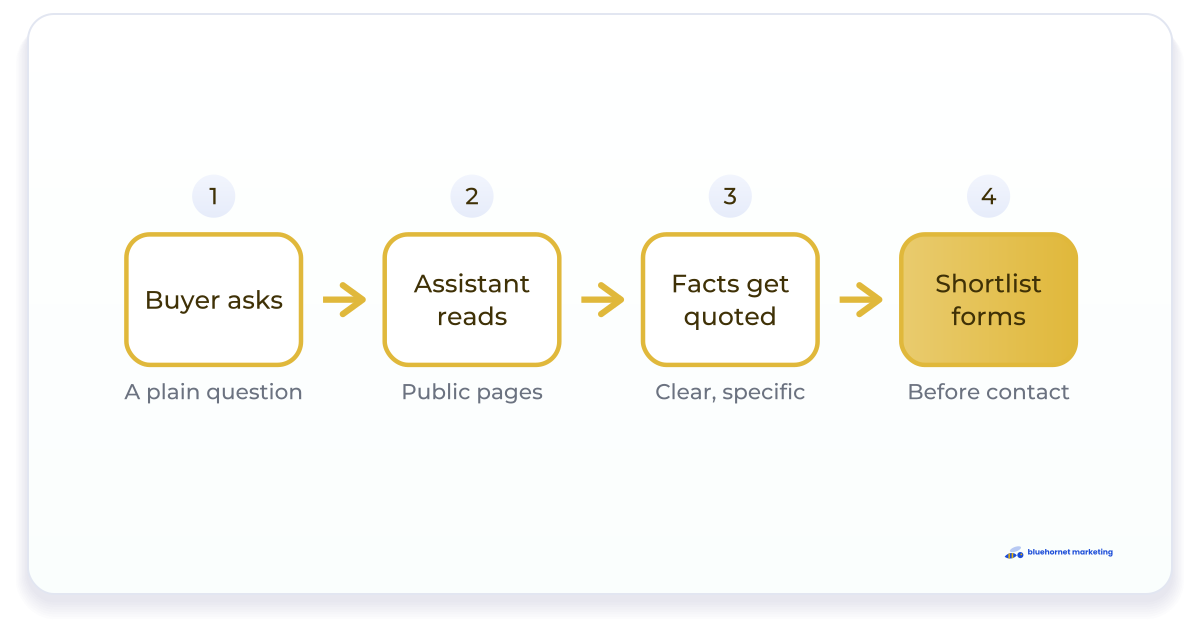
HubSpot's 2026 State of Marketing report found that 86.4% of marketing teams use AI in at least a few areas, and buyers use it too. A student asking an assistant which flight school fits a career plan gets a summary, not ten blue links. Source: HubSpot
In my projects, the pages that get quoted are the ones that state facts plainly: aircraft types, programs, pricing logic, base airports and certifications. Vague brochure copy rarely gets used. Rewrite your key pages so a stranger could answer five buyer questions from them without calling you.
2. Short Video Sells Aircraft and Training
In the same HubSpot survey, 48.6% of marketers named short-form video as the format with the best return, ahead of long-form video at 28.6%. That fits aviation well, because a buyer wants to see the cabin, the cockpit or the hangar. Source: HubSpot
You do not need a studio. A steady phone, good light and a pilot who talks plainly beat a polished reel that hides the aircraft. Film the walkaround, the briefing and the first ten minutes of a lesson, then reuse the clips on your site and in email.
3. More Students Mean More Competition Between Schools
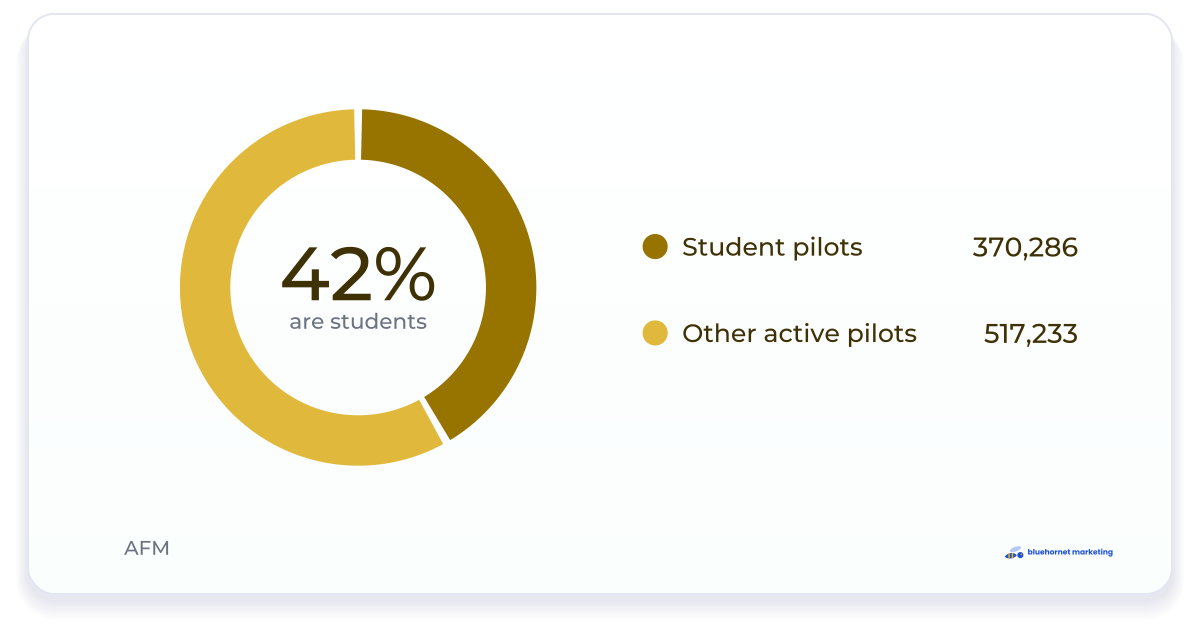
FAA year-end 2025 data, as reported by AFM, counts 370,286 active student pilots among 887,519 active U.S. pilots. A bigger student pool attracts more schools and more ad spending on the same local terms. Source: AFM, citing FAA data
If you run a school, price is a weak place to compete. In my experience, students pick on instructor fit, aircraft availability and the feel of the first visit. Put those three on the page and make the first discovery flight easy to book.
4. Reviews Act as a Booking Signal
For a service where trust matters, reviews often decide between two similar options. A charter broker with 40 specific, recent reviews looks safer than one with three vague ones, even if both are equally good.
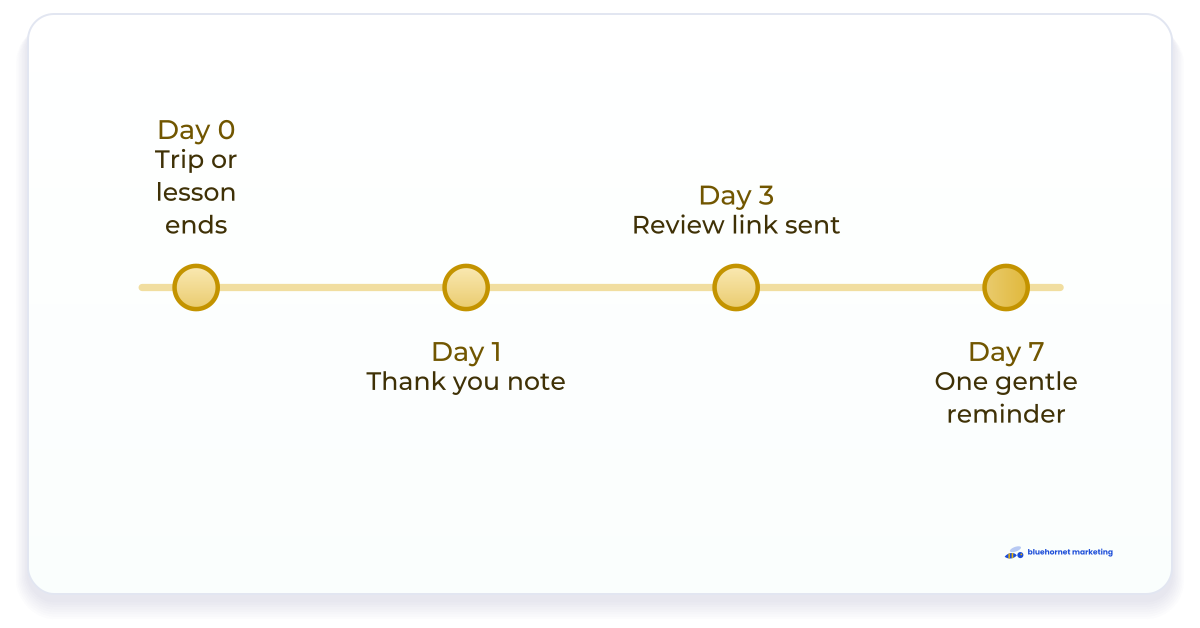
Ask for reviews within a week of the trip or lesson, while it is fresh, and reply to every one. A calm, factual reply to a critical review often does more for trust than five new five-star ratings.
One FBO I worked with had strong service and 12 reviews. After a simple request in every invoice email, it reached 60 in a year. Calls from travelers who had never visited rose, and the front desk stopped explaining who they were.
5. Buyers Research Alone Before They Contact You
Gartner reports that B2B buyers spend only 17% of their purchase time meeting potential suppliers, and when they compare several suppliers the share with any one of them falls to 5% or 6%. Source: Gartner
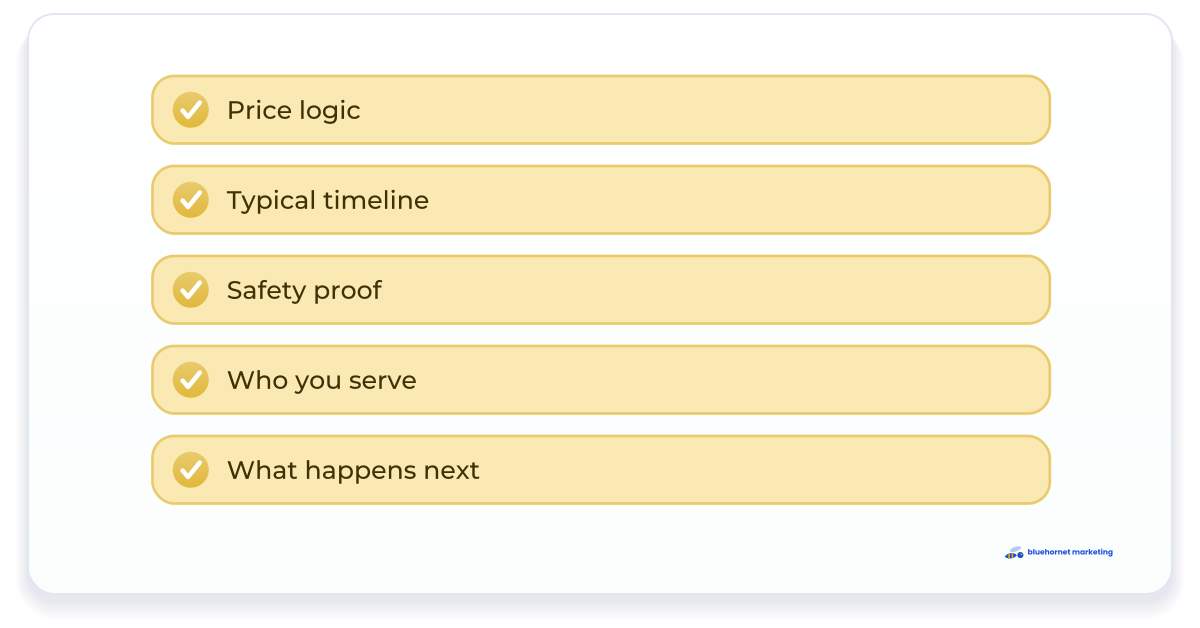
For MRO shops, parts suppliers and fleet service providers, that means your website has to hold what a sales rep used to explain: capabilities, certifications, turnaround ranges and references. Publish them, or buyers will rank you without hearing from you.
Do a simple test. List the ten questions your sales team hears on first calls, then check how many your website answers in plain text. In most audits I run, the answer is three or four, and the missing ones are exactly where buyers stop and look at a competitor.
6. Clearer Pricing Logic and Faster Quotes
Online booking platforms taught charter buyers to expect a quick price. You may not publish a fixed fare, but you can explain what drives it: aircraft category, positioning flights, fuel, handling fees and date flexibility.
A buyer who understands the logic trusts a quote more. Pair that page with a reply promise you can keep, because in my client data a response within the hour wins more charter requests than a slightly lower price a day later.
7. Sustainability Claims Need Proof
Buyers and regulators both look harder at environmental claims. A line like "committed to a greener sky" invites doubt, while "we purchase sustainable aviation fuel certificates for 10% of our charter fuel and publish the invoices" invites trust.
Say what you do, how you measure it and what the figure covers. Check the rules on green claims in each market where you advertise, because they differ and change.
8. First-Party Data Replaces Borrowed Audiences
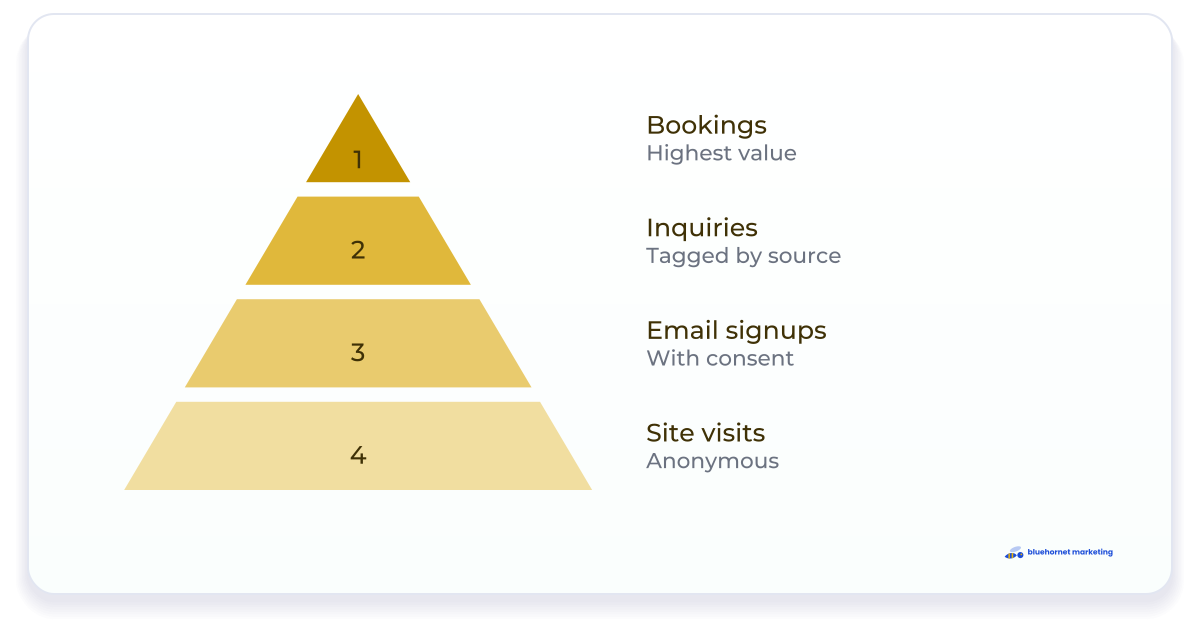
Tracking is harder than it was, and ad platforms see less. The aviation firms I work with that keep performing have a clean CRM and a real email list of owners, pilots and fleet contacts. That data is theirs, and it does not depend on a platform.
Start by cleaning duplicates, recording the source of each contact and tagging aircraft type or program. Then build segments you can email without writing a new message each time.
9. LinkedIn and Account-Based Outreach for B2B
Aerospace suppliers and MRO shops sell to a short list of buyers. Broad advertising wastes money, while a named list of 100 target accounts with tailored content and outreach is affordable and measurable.
Pair LinkedIn with email and a few well-chosen events. Track account engagement, not clicks, and share the list with sales weekly.
10. Marketing That Helps You Hire
Pilots, technicians and avionics specialists are in demand, and the same channels that bring customers now also bring candidates. A careers page with real pay ranges, schedules and training paths does more than a job board listing.
Treat hiring as a funnel: awareness, a clear story, an easy application and a fast reply. The teams I see struggle most lose candidates in the reply step.
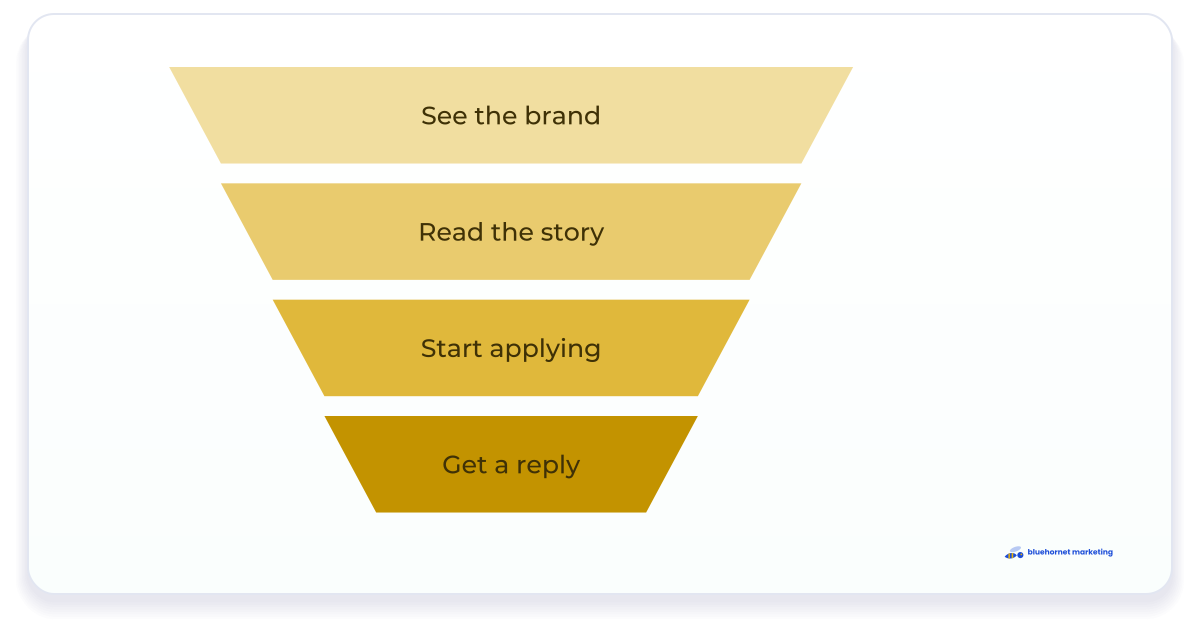
Test it from the outside. Apply to your own opening on a phone, time how long it takes and note how long you wait for an answer. Most firms are surprised by the result, and the fix is usually a shorter form and a named person who replies within two days.
11. Creators and Communities Carry Trust
Aviation has a loyal community of YouTube channels, podcasts, forums and owner groups. A recommendation from a trusted pilot outweighs a banner ad.
Work with one creator or community that fits your audience, give them real access and let them be honest. Disclose the relationship, and measure with a dedicated page or code.
12. Email and SMS for Owners and Members
Owners, members and repeat customers are the cheapest audience you have. Segment by aircraft, base or service history, and send what is relevant: an AD reminder, a seasonal inspection offer or a new hangar slot.
Keep texting for time-sensitive notes with clear consent. Review your messages for relevance every quarter, because a list that stops opening is a list that is saying something.
A practical starting set is four emails a year per segment: a seasonal note, a service reminder, a useful story and an offer. Add a short preference page, so a recipient can say whether they want maintenance news, flight deals or event invitations. People who choose their topics rarely unsubscribe, and the replies you get tell you what to build next.
How to Choose Which Trends to Act On
Trends make better prompts than plans. Do not try to follow all twelve. In my experience, you get more from two done well than eight done halfway. Check each candidate against four questions:
- Does it address a point where you lose buyers today?
- Can you run it with the people and budget you have?
- Can you measure it within a quarter?
- Does it fit how your buyers actually decide?
Turn the winners into a plan with owners and dates, using my aviation marketing strategy guide as the framework. For quick wins you can start this week, my list of aviation marketing tips is the better place to begin. When you are ready to pick software for any of this, I compare the main options in my aviation marketing tools ranking.
Questions About Aviation Marketing Trends
What Is the Biggest Aviation Marketing Trend Right Now?
In my client work, it is the shift in where buyers do their research. Charter customers, students and fleet managers now compare options online and through AI answers before they speak to anyone, so the content on your site and the way others describe you carry more weight than a sales call.
Are These Trends Relevant for Small Operators?
Yes, and some matter more for small firms. Reviews, clear pricing logic and fast replies cost little and often beat large ad budgets. The trends that need real money, such as large video programs, are optional. Pick two or three that match your buyers, and put the rest on a list to review next quarter.
How Do I Know Which Trend to Act on First?
Start with the one closest to where you lose buyers today. If inquiries come in and go quiet, fix follow-up. If you are invisible in search, fix your pages. A short marketing audit ranks them by cost and likely return.
Will AI Search Replace Google for Aviation Buyers?
I do not expect it to replace search, but it changes what gets seen. Answers are now summarized above the links, so pages that state facts clearly and are cited by others are more likely to be used. Keep your pages accurate and specific. Check by asking an assistant a few buyer questions and see whether your firm appears and how it is described.
Is Paid Advertising Still Worth It in Aviation?
Yes, for audiences that are small and high value. Targeted search and LinkedIn campaigns can reach charter buyers, owners and procurement teams efficiently, as long as tracking ties spend to quotes and bookings. Broad campaigns waste budget quickly.
How Should I Handle Sustainability Claims in Marketing?
Say only what you can document, and name the source or the measure behind it. Vague claims about being green draw skepticism and can create regulatory trouble in some markets, so check the current rules where you advertise.
How Often Should I Revisit My Aviation Marketing Plan?
Review results monthly and the plan itself every quarter. Aviation sales cycles are long, so give each change enough time to show up, but do not wait a year to learn that a channel does not work.
Disclaimer: This article is for general information only and isn’t legal, financial or tax advice. Treat figures as estimates from typical work and confirm details with your providers before you act.
Was this guide helpful?
Thanks for your feedback.
Warren Albright
Warren leads the Blue Hornet editorial team and works with the consultants to turn real client projects into practical guides on content, paid media, marketing automation, CRM and analytics. He comes from content and demand generation work, edits every article before a working marketing consultant reviews it, and draws on strategies, channel plans and audits from client projects to keep the advice grounded in real numbers.