Quick Summary
- Fast replies and clear credentials win more aviation bookings than lower prices.
- Reviews, short video and email keep you in front of buyers through long decisions.
- Source tracking tells you which tip is working, so you can drop the rest.
- Make one change at a time and review it monthly.
Aviation marketing is a small-audience game. A few hundred well-handled inquiries a year can carry a charter operator, a flight school or an MRO shop, so every missed reply and every vague page costs real money. These nine tips are the ones I come back to most often in aviation marketing consulting.
Each tip has a short reason, something to do and something to avoid. Pick two, apply them this month and see what changes before you add more.
The 9 Tips at a Glance
| Tip | Effort | Best for |
|---|---|---|
| 1. Answer within the hour | Low | All segments |
| 2. Show safety and credentials | Low | Charter, MRO, schools |
| 3. One page per service | Medium | Multi-service firms |
| 4. Ask for reviews | Low | Charter, schools, FBOs |
| 5. Film short clips | Medium | Sellers, schools, charter |
| 6. Track every lead | Medium | All segments |
| 7. Keep email warm | Low | FBOs, MRO, clubs |
| 8. Use account lists | High | MRO, suppliers |
| 9. Review monthly | Low | All segments |
Nine Moves, With What to Do and What to Skip
I have ordered the tips by how quickly they usually pay back, so you can stop at the point where your own capacity runs out. For where they fit in a larger plan, see my guide to aviation marketing strategy.
Answer Every Inquiry Within the Hour
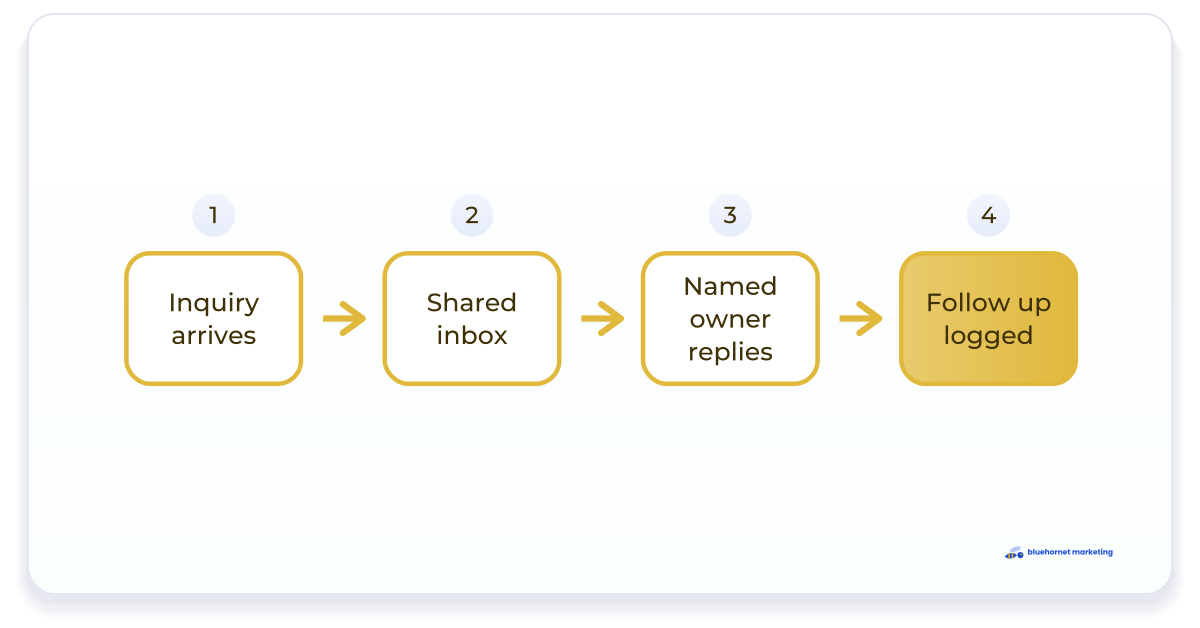
Speed is the cheapest advantage you have. A charter request, a discovery flight inquiry or a parts quote goes to whoever replies first more often than to whoever is cheapest. In the accounts I review, inquiries answered within an hour book at roughly double the rate of those answered the next day.
Do this: Set a reply promise you can keep, route inquiries to a named person and use a short template that asks two qualifying questions.
Avoid this: Auto-replies that say "we will get back to you" with no time. They tell the buyer nobody is watching.
A simple way to keep the promise is a shared inbox with one person on duty each day and a phone alert for new requests. Even a two-sentence first reply that names the next step and the time you will follow up changes how the buyer feels.
Put Safety and Credentials on the Page
Aviation buyers check certificates, safety systems and fleet details before they trust you. If those facts live in a PDF or on a page nobody can find, you make them work for it, and many will not.
Do this: Add a plain-language section with your certificates, safety program, insurance level, fleet list and base airports to the pages buyers visit first.
Avoid this: Stock photos of jets and vague claims like "safety first". They prove nothing and look like everyone else.
Keep a short list of proof items and update it each quarter. When a certificate renews or a new aircraft joins the fleet, the page changes the same week. Buyers notice dates, and an outdated one raises more doubt than no date at all.
Build One Page per Service and Audience
A single services page cannot rank or convert for charter, training, maintenance and sales at the same time. Search engines and buyers both want a page that matches what they typed.
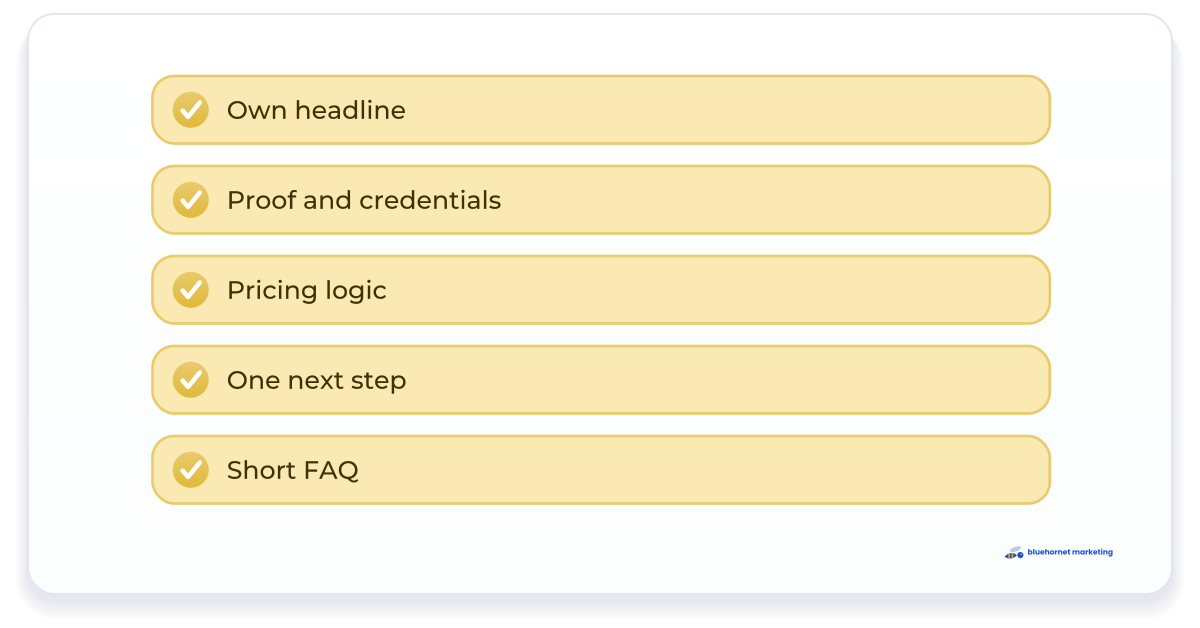
Do this: Create one page for each service, with its own headline, proof, pricing logic and call to action. Link them from a short overview page.
Avoid this: Copying the same text across pages with the city or aircraft name swapped. Thin duplicates rarely rank and rarely convince.
Start with the service that earns the most. Write the page for one buyer, answer their five most common questions and end with one clear next step. Then copy the structure for the next service, adjusting every fact so nothing is repeated.
Ask for Reviews the Week Service Ends
Reviews are a trust signal for charter customers, students and aircraft owners looking for a shop. Fresh, specific reviews outperform a high rating that stopped growing two years ago.
Do this: Add a direct review link to your post-service email and text, and reply to every review within two days.
Avoid this: Buying reviews or asking only your happiest customers. Both get found out, and both cost you more than they bring.
Name the trip or the lesson in your request when you can, as in "How was your flight to Aspen?" Specific prompts get specific reviews, and specific reviews carry more weight with the next buyer than a star rating alone.
Film Short Clips of the Real Thing
Buyers want to see the cabin, the hangar, the instructor and the aircraft before they commit. HubSpot's 2026 survey found short-form video ranked first for return among marketers who use it, so it is worth a try.
Do this: Shoot a 30 to 60 second walkaround or briefing on a phone, caption it and add it to the matching page.
Avoid this: Slow intros, music with no voice and logo animations. Open on the aircraft within two seconds.
Good clips share a pattern: a single person, a single point and an obvious next step. Re-use each clip as a short on the matching service page, in an email and on social so one hour of filming feeds several channels.
Track Every Lead to a Source
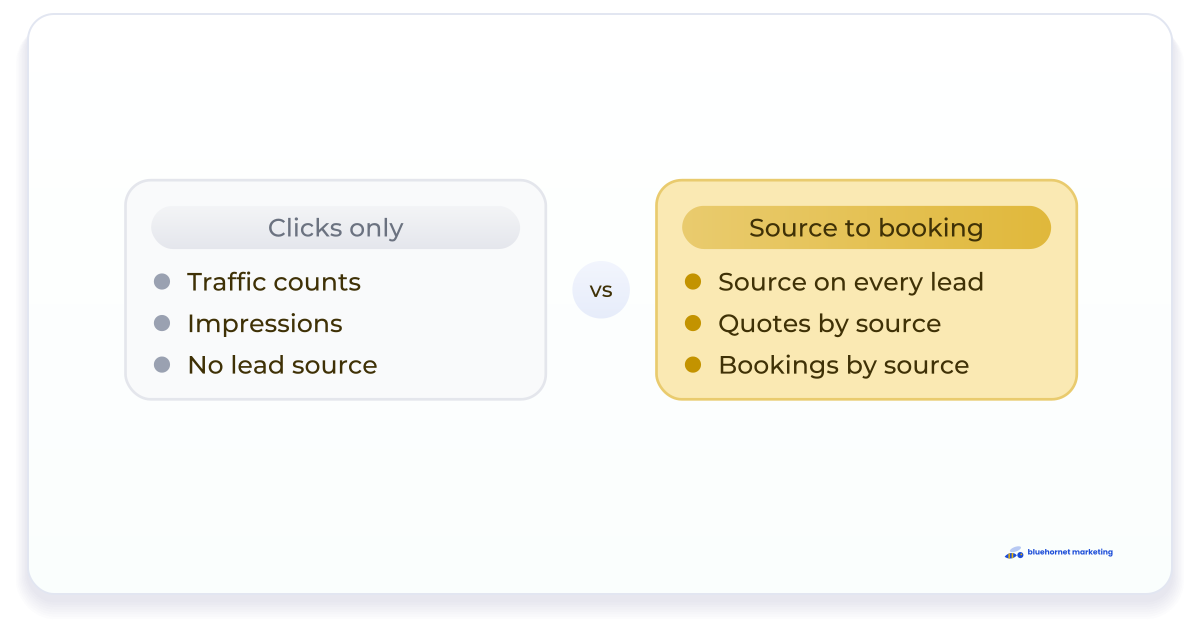
Without source tracking you cannot tell whether the ad, the search listing or the referral produced a booking, and you will cut the wrong one at the next review.
Do this: Add a required source field to your inquiry form and CRM, and use tracked phone numbers or call tracking for phone leads.
Avoid this: Reporting clicks and impressions only. They look busy and prove little.
Pick a simple set of source values, such as search, ads, referral, repeat customer and event, and use them everywhere. Consistency matters more than detail, because a report with twelve inconsistent sources cannot be trusted.
Keep Your Email List Warm
Owners, members and past customers are your cheapest bookings. They already know you, and they forget you quickly if you are silent.
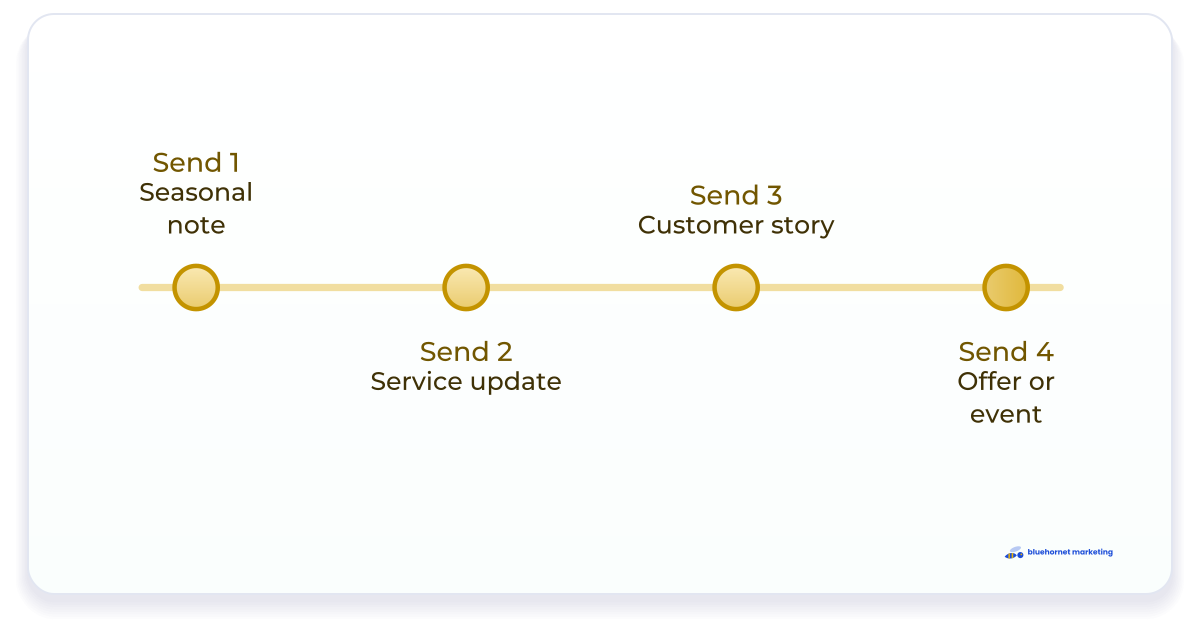
Do this: Send four useful emails a year per segment: a seasonal note, a service reminder, a story and one offer.
Avoid this: Weekly sales blasts to your whole list. Open rates fall and unsubscribe rates rise within a quarter.
Write like a person at your firm, not a newsletter. A two-paragraph note with one useful tip from your chief pilot or lead technician will get more replies than a polished template, and those replies are exactly the conversations you want.
Use Account Lists for B2B Selling
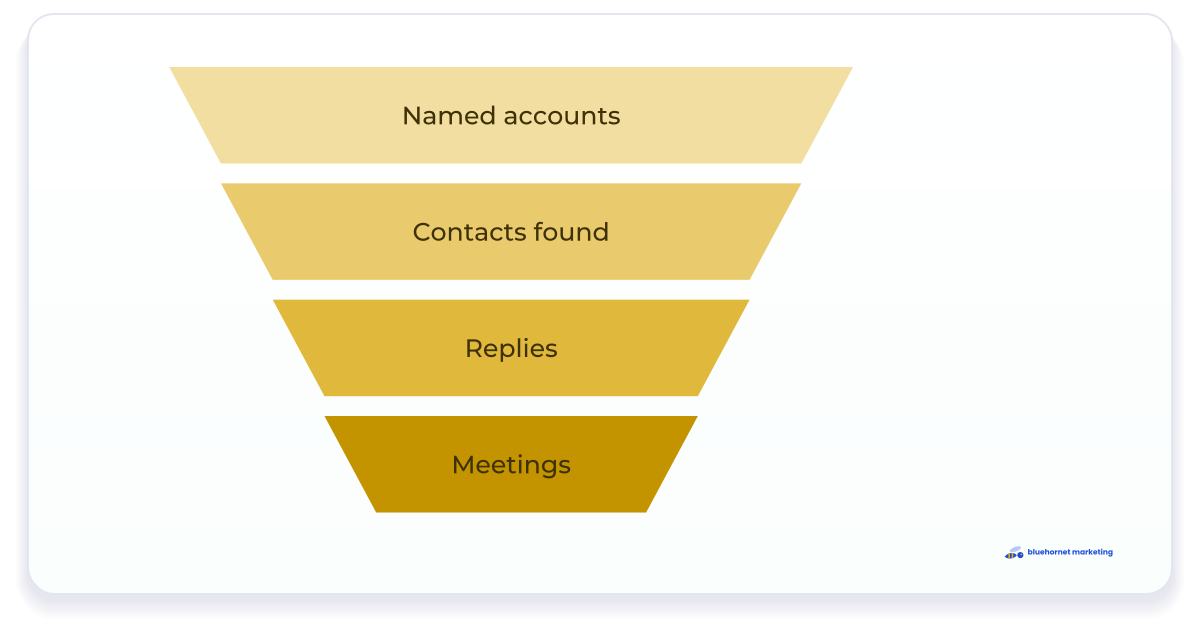
MRO shops and suppliers sell to a limited set of buyers. A list of 100 target accounts is easier to reach and measure than any broad ad campaign.
Do this: Build a named list, find two or three contacts per account on LinkedIn and send tailored content and short notes over a quarter.
Avoid this: Mass connection requests with a pitch in the first message. They get ignored and hurt your reputation.
Choose accounts by fit and by trigger events such as a fleet addition, a new contract or a hiring push. Send a note about the trigger, offer something useful and follow up twice. Report on accounts engaged, not messages sent.
Review Results on a Fixed Day Each Month
Long sales cycles make it easy to drift. A monthly review keeps small problems small and catches broken tracking before it costs a quarter of data.
Do this: Meet for 30 minutes with sales, look at qualified inquiries, quotes won and cost per booking, and write down one change.
Avoid this: Changing five things at once. You will not know which one worked.
Bring one chart and one decision to every review. If a number is off, decide on one action with an owner and a date, then check it the next month. A review that ends without a decision is a status meeting.
Where These Tips Are Heading
Buyer habits keep moving toward more research before contact, more video and more AI-written summaries. My roundup of aviation marketing trends explains which shifts matter for your segment, and which tips above get stronger because of them.
One caution before you start: do not try to apply all nine at once. A small team that adds three new habits in a month usually drops two of them by the next. Choose the two with the lowest effort for your segment, give them a month, and add the next only when the first ones run without reminders.
Also decide who owns each tip. A tip with a name and a date beside it gets done, and a tip assigned to "marketing" usually waits for a quiet week that never comes.
How to Pick Your First Two Tips
Look at where you lose buyers now, and choose the tips closest to that point. A quick diagnosis helps:
- If inquiries arrive and then go quiet, start with tips 1 and 7.
- If few inquiries arrive, start with tips 2, 3 and 4.
- If you cannot tell what works, start with tips 6 and 9.
- If you sell to a small list of companies, start with tip 8.
Software can make several of these easier, from CRM reminders to review requests. I compare the main platforms in my ranking of aviation marketing tools, including free options. If you want the tips ranked for your own business, a short call is usually enough.
Questions About Aviation Marketing Tips
Which Aviation Marketing Tip Should I Start With?
Start with the fast reply and source tracking. They cost little, they apply to every segment and they show you what the rest of your marketing is doing. Once those work, move to the page and review tips.
How Much Time Do These Tips Take?
Most of them take a few hours to set up and a short routine each week. Video and account lists take more effort, so start with one clip or one list of 25 accounts and expand if it pays back.
Do These Tips Work for Small Flight Schools and Operators?
Yes, and several matter more for small teams. Fast replies, clear pages and reviews cost little and directly affect bookings. Skip anything that needs a large budget until the basics work.
How Soon Will I See Results?
Reply speed and page fixes can show an effect within weeks. Search and email build over months, and long B2B cycles take longer. Track leading numbers such as qualified inquiries while revenue catches up.
Should I Run Paid Ads or Focus on Organic First?
If you need leads now and your pages are ready, targeted paid search is the quickest. If you have time, invest in pages and reviews at the same time, because they lower the cost of every channel.
What Is the Most Common Aviation Marketing Mistake?
Treating the website as a brochure. Buyers use it to check you, so outdated pages and missing credentials cost you inquiries that never show up in a report.
Do I Need a Consultant to Apply These Tips?
No, you can start on your own. A consultant helps when you lack time, when the numbers are unclear or when you want the tips ranked for your business by cost and return.
Disclaimer: This article is for general information only and isn’t legal, financial or tax advice. Treat figures as estimates from typical work and confirm details with your providers before you act.
Was this guide helpful?
Thanks for your feedback.
Warren Albright
Warren leads the Blue Hornet editorial team and works with the consultants to turn real client projects into practical guides on content, paid media, marketing automation, CRM and analytics. He comes from content and demand generation work, edits every article before a working marketing consultant reviews it, and draws on strategies, channel plans and audits from client projects to keep the advice grounded in real numbers.